Written by Irfan Siddiqui
The Prime Minister’s Laptop Scheme has become one of the strongest symbols of youth empowerment in Pakistan. Under Prime Minister Shehbaz Sharif’s leadership, more than 600,000 laptops have been distributed to talented students across the country on pure merit, helping them enter the digital world with confidence. Punjab remained the largest beneficiary with over 300,000 laptops distributed, while Sindh received around 120,000, Khyber Pakhtunkhwa over 100,000, Balochistan around 40,000, and thousands more were provided to students in Azad Kashmir, Gilgit-Baltistan, and Islamabad. In the latest phase, the government also announced the distribution of another 100,000 laptops nationwide. This programme is not just about devices; it is about giving young minds access to education, research, freelancing, innovation, and a stronger future built on knowledge.
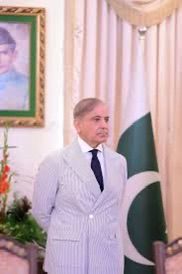
In every successful nation, progress begins with investing in young people. Pakistan, where more than sixty percent of the population consists of youth, stands at a defining moment in history. Prime Minister Shehbaz Sharif has recognized this reality and placed youth development at the center of national policy. His vision goes far beyond speeches and announcements. It is a practical roadmap focused on education, employment, entrepreneurship, digital access, and international competitiveness.
He believes that empowering youth means strengthening the future of Pakistan itself. Under his leadership, the Prime Minister’s Youth Programme has been expanded significantly to provide direct support to students, graduates, entrepreneurs, and skilled workers. His government introduced major support for young entrepreneurs, including a Rs100 billion boost for youth-led businesses and startups. The Prime Minister’s Youth Business and Agriculture Loan Scheme has also created opportunities for thousands of young Pakistanis to launch businesses, strengthen agriculture, and achieve financial independence.
Education remains one of the strongest pillars of this vision. Alongside the laptop scheme, scholarships, internships, and technical skill development have been prioritized. In early 2026, Prime Minister Shehbaz Sharif once again emphasized that youth capacity building and educational development remain among the government’s highest priorities. His message was clear: Pakistan cannot progress without investing in the talent and ambition of its younger generation.
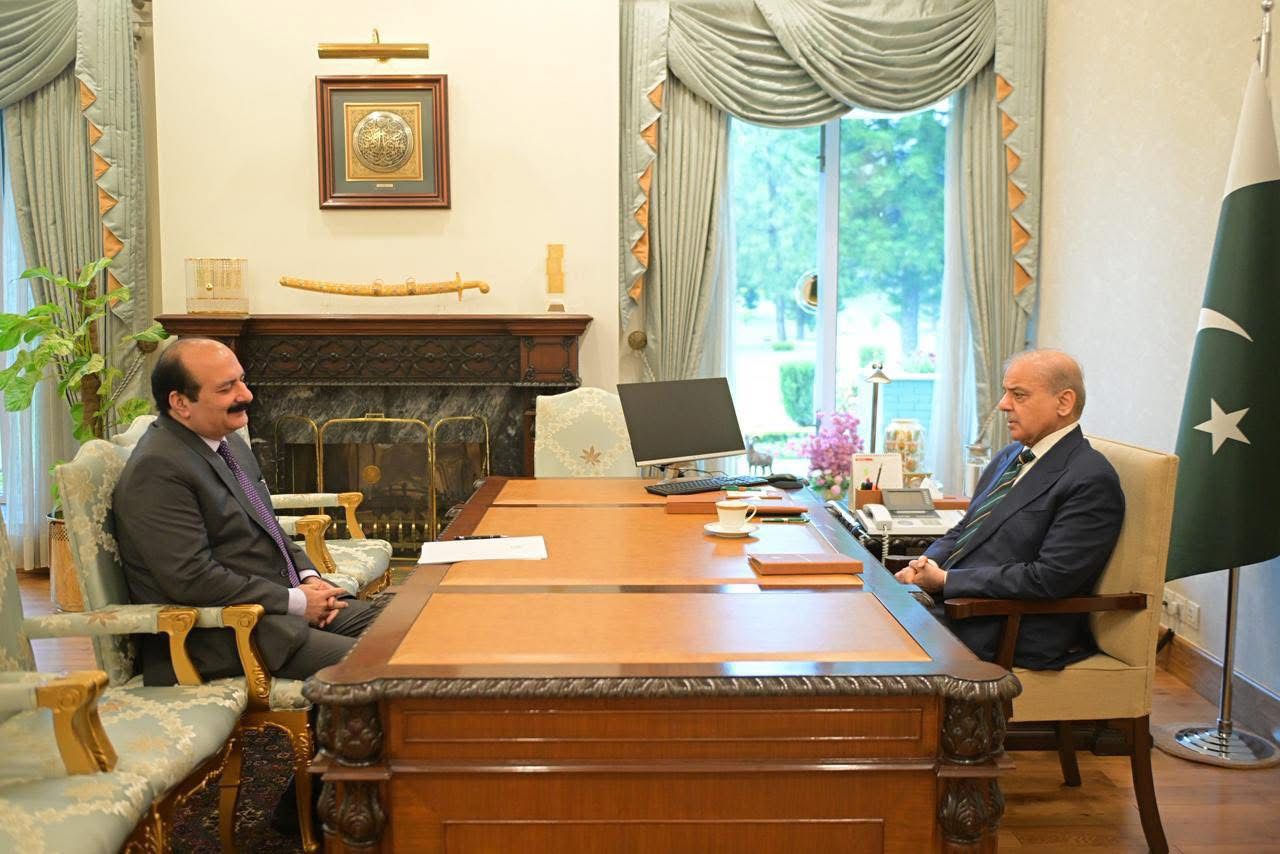
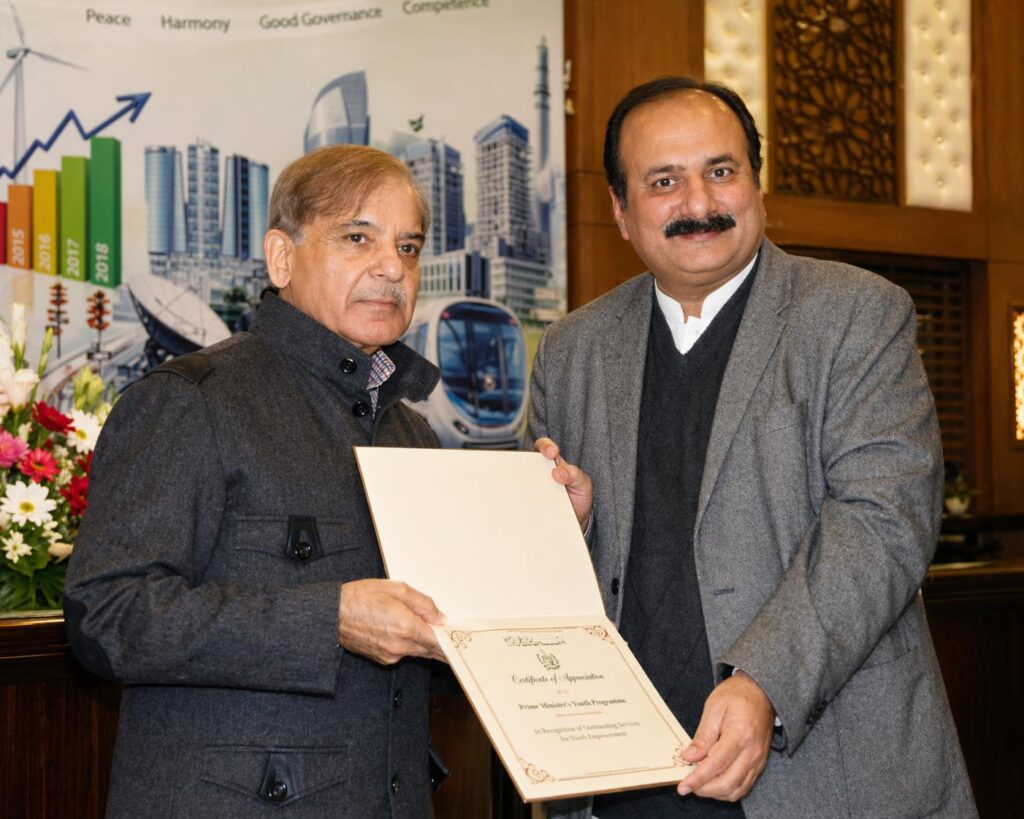
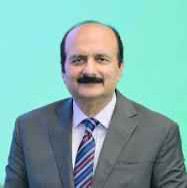
However, a vision requires effective leadership for implementation, and this is where Rana Mashhood Ahmad Khan, Chairman of the Prime Minister’s Youth Programme, has played an extraordinary role. Since assuming office, he has worked with energy, consistency, and commitment to transform policy into practical opportunities for millions of young people across Pakistan.
One of his most notable achievements is the expansion of the Digital Youth Hub, a platform connecting youth with scholarships, internships, jobs, and training opportunities. Within a short period, nearly 800,000 young people registered on the platform. Rana Mashhood has described it as a transparent, merit-based system where talent matters more than recommendation. This approach has helped restore confidence among young people who often felt excluded from opportunity.
He has also focused strongly on vocational and technical education by building partnerships with universities, industries, and national institutions. His strategy is simple but powerful: train youth according to modern market demands rather than outdated systems. Fields such as information technology, tourism, hospitality, entrepreneurship, artificial intelligence, esports, and overseas employment have now become part of the national youth agenda.
Rana Mashhood’s efforts have also extended beyond Pakistan. Through international engagement in countries such as the United Kingdom and Germany, he has worked to build global partnerships for youth employment, innovation, and professional training. His message has remained consistent everywhere: Pakistani youth are not a burden but the country’s greatest strength.
Another major step has been the strengthening of the National Youth Council, where young people are included in policy discussions instead of being treated as silent observers. This creates trust, ownership, and belief in the system. When youth are heard, they begin to believe in the state and its institutions again.
This is why the youth agenda of Prime Minister Shehbaz Sharif should be seen as more than governance. It is a social revolution. It is rebuilding the broken relationship between the state and the younger generation. At a time when unemployment and frustration can easily lead to hopelessness, these initiatives are creating a new national narrative based on inclusion, dignity, and possibility.
The growing trust of young people in government is not accidental. It is built through visible action. A student receiving a laptop, a graduate finding an internship, an entrepreneur securing a startup loan, or a skilled worker finding overseas employment—all of these are real examples of the state working for its people.
Prime Minister Shehbaz Sharif provided the vision. Rana Mashhood provided the execution. Together, they are leading Pakistan toward a future where youth are not waiting for change—they are becoming the change.
This is not just policy. This is Pakistan’s youth revolution. And with every opportunity created, the confidence of the younger generation in their government, their institutions, and their future continues to grow stronger.