
By. IRFAN SIDDIQUI
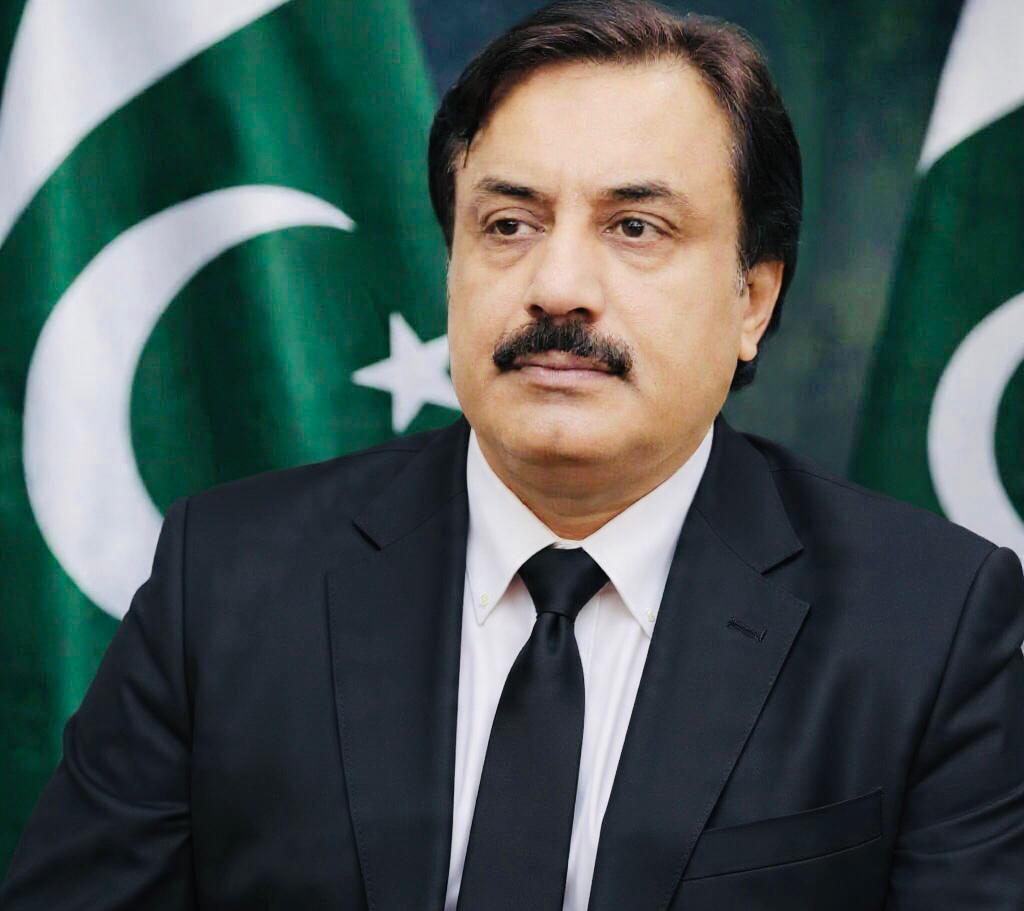
As Pakistan marks one year since the completion of Operation Bunyan al-Marsoos, the moment offers more than reflection—it offers recognition of leadership that has steered the country through complex political, diplomatic, and security challenges. Speaking to the media, Syedal Khan Nasir, Deputy Chairman Senate and a respected political figure from Balochistan, paid a heartfelt tribute to Prime Minister Shehbaz Sharif and Asim Munir, acknowledging their pivotal roles in strengthening Pakistan’s global standing.
According to Syedal Khan Nasir, Pakistan today stands more confident and respected on the world stage, particularly in economic and diplomatic arenas. He emphasized that this transformation did not occur overnight, but is the result of relentless effort, strategic clarity, and sincere leadership. “Prime Minister Shehbaz Sharif’s tireless work, day and night, has elevated Pakistan to new heights of recognition,” he noted, adding that such achievements are a blend of divine blessing and the sincerity of leadership.
In recent months, Pakistan’s role in promoting dialogue and de-escalation between global powers has also gained attention. While international diplomacy is always complex, Nasir credited the country’s leadership for contributing to peace-oriented narratives and engagement efforts that reflect maturity and responsibility.
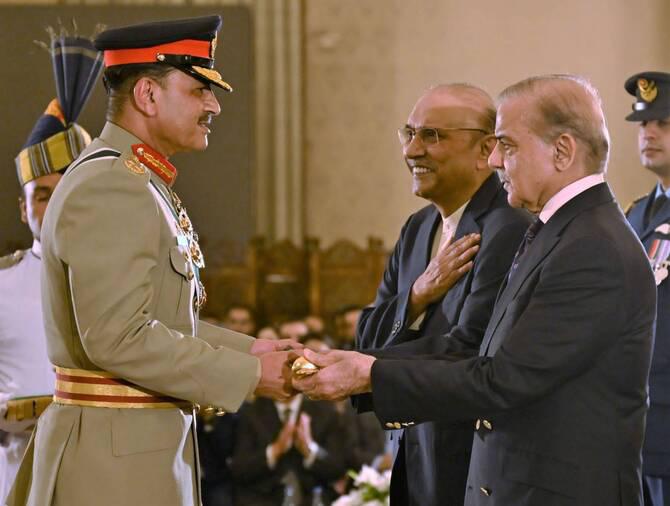
Operation Bunyan al-Marsoos, now completing one year, stands as a symbol of coordinated national strength. Nasir highlighted that under the leadership of Field Marshal Asim Munir and Prime Minister Shehbaz Sharif, Pakistan demonstrated resilience across political, diplomatic, and defense fronts. He remarked that the country responded firmly to challenges, safeguarding its sovereignty and projecting strength without compromising its commitment to peace.
“Whatever praise is offered to Field Marshal Asim Munir and Prime Minister Shehbaz Sharif remains insufficient,” Nasir stated. He pointed out that their leadership ensured unity between civil and military institutions, which proved crucial in navigating difficult times. This cohesion, he argued, is what enabled Pakistan to respond effectively to both internal and external pressures.
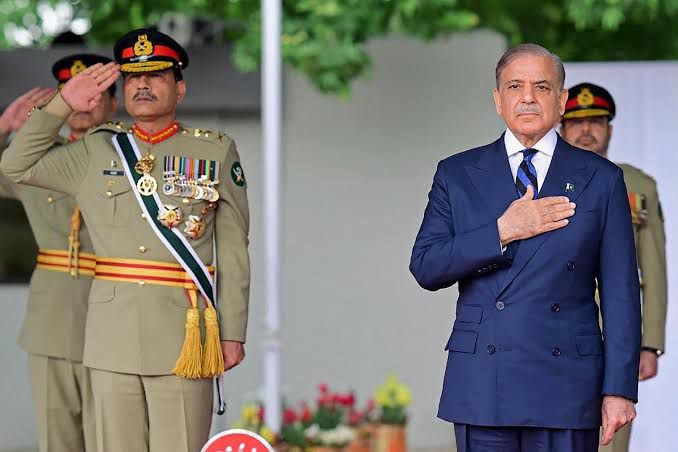
Beyond national security, Nasir spoke warmly of Shehbaz Sharif’s personal leadership style. He described him as a leader who embodies decency in politics—someone whose commitment to Pakistan is beyond doubt or suspicion. “He treats colleagues like family, guiding them like an elder brother or even a father,” Nasir said, emphasizing the importance of inclusive leadership in governance.
Particularly for Balochistan, Nasir noted that the Prime Minister’s dedication holds special significance. He acknowledged Shehbaz Sharif’s consistent focus on development, peace, and stability in the province. From infrastructure initiatives to efforts aimed at improving law and order, the federal government’s engagement has signaled a renewed commitment to integrating Balochistan into the national development framework.
Looking ahead, the message from Syedal Khan Nasir is clear: Pakistan’s progress depends on continuity of sincere leadership, unity of institutions, and a shared vision for peace and prosperity. Operation Bunyan al-Marsoos may mark a milestone, but it is also a reminder that the journey toward stability and growth requires sustained effort.
In a region often defined by uncertainty, Pakistan’s evolving role as a stabilizing force offers cautious optimism. And as leaders continue to build on this foundation, the hope is that the coming years will bring even greater achievements for the nation and its people.