By. IRFAN SIDDIQUI
TOKYO
In an increasingly fragile global landscape, where conflicts can escalate within moments and diplomacy often struggles to keep pace, the recent de-escalation between Iran and the United States stands out as a remarkable achievement. At the heart of this quiet yet powerful diplomatic success is Ishaq Dar, whose strategic engagement and calm leadership have earned admiration both at home and abroad.
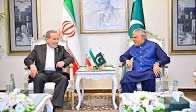
Serving as Pakistan’s Deputy Prime Minister and Foreign Minister, Ishaq Dar demonstrated that effective diplomacy is not about loud declarations, but about measured dialogue, trust-building, and timely intervention. At a moment when tensions between Tehran and Washington threatened to spiral into a broader confrontation, Pakistan stepped forward not as a spectator, but as a responsible regional player committed to peace.
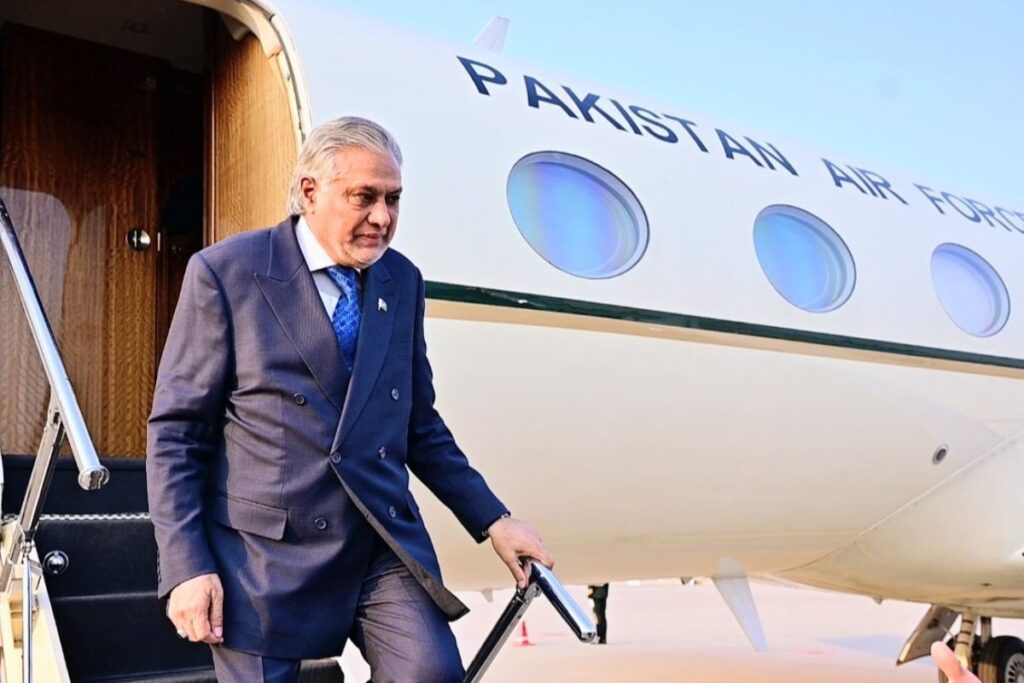
Dar’s diplomatic outreach was marked by balance and credibility. Pakistan enjoys longstanding relations with Iran, while also maintaining constructive engagement with the United States. Leveraging this unique position, he facilitated communication channels that helped reduce mistrust and create space for de-escalation. His efforts reflected not only personal political maturity but also a deep understanding of geopolitical sensitivities.
What makes this achievement even more significant is the international recognition it has received. The appreciation expressed by President of the United States underscores the global value of Pakistan’s role. Such acknowledgment from Washington is not merely symbolic; it signals a renewed confidence in Pakistan’s diplomatic capacity and its importance as a stabilizing force in a turbulent region.
Behind this success also stands the steady leadership of Shehbaz Sharif. His government has consistently emphasized constructive engagement over confrontation, and his support for proactive diplomacy has empowered Pakistan’s foreign office to act decisively. Shehbaz Sharif’s vision of positioning Pakistan as a bridge-builder rather than a bystander is increasingly taking shape on the global stage.
Equally noteworthy is the role of Pakistan’s military leadership, particularly Asim Munir, often referred to with respect as Field Marshal in public discourse. His institution’s commitment to regional stability and alignment with diplomatic objectives ensured that Pakistan’s message of peace was backed by strength and credibility. This civil-military harmony has been crucial in projecting a unified national stance.
The episode serves as a reminder that diplomacy, when conducted with sincerity and skill, can prevent conflicts that would otherwise have devastating consequences. Ishaq Dar’s role exemplifies how thoughtful engagement, grounded in national interest yet mindful of global peace, can yield meaningful results.
At a time when the world often appears divided and uncertain, Pakistan’s constructive intervention offers a refreshing narrative. It highlights the power of dialogue over discord and underscores the importance of leaders who prioritize peace over politics.
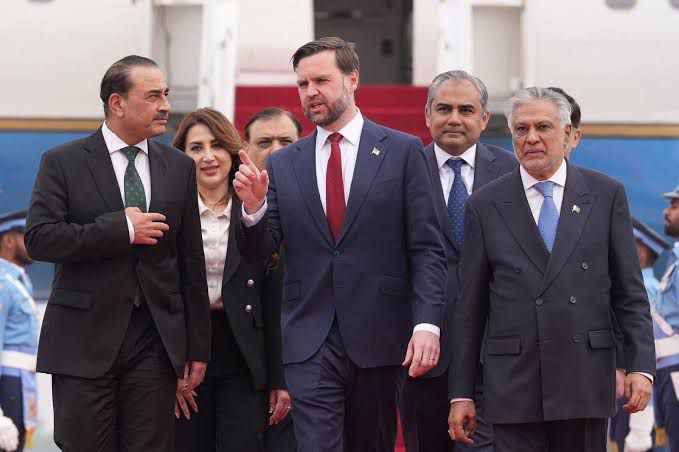
In the final analysis, this diplomatic success is not just a personal achievement for Ishaq Dar, but a collective national moment. It reflects a Pakistan that is confident, responsible, and ready to contribute positively to global stability. And for observers across the world, it offers hope that even in the most tense situations, calm diplomacy can still prevail.