By Irfan Siddiqui
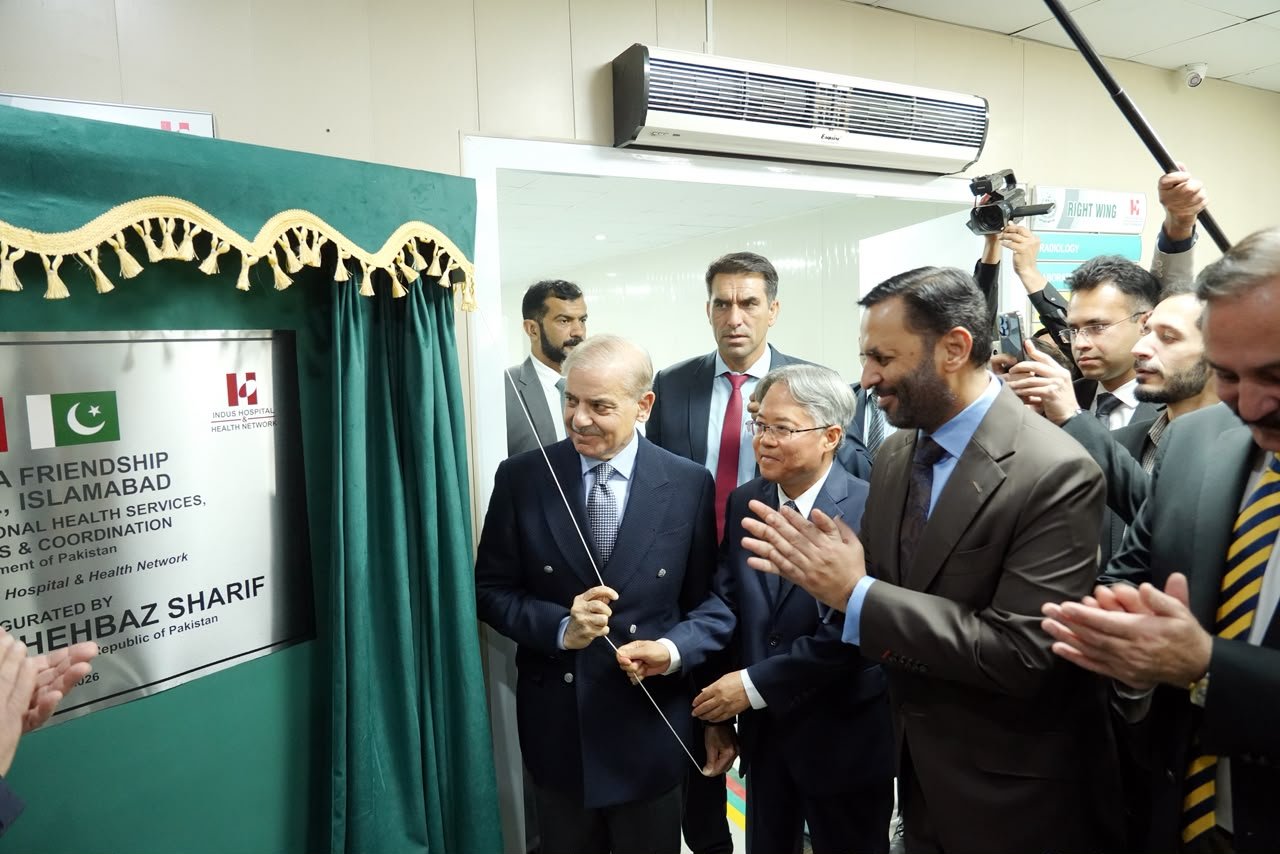
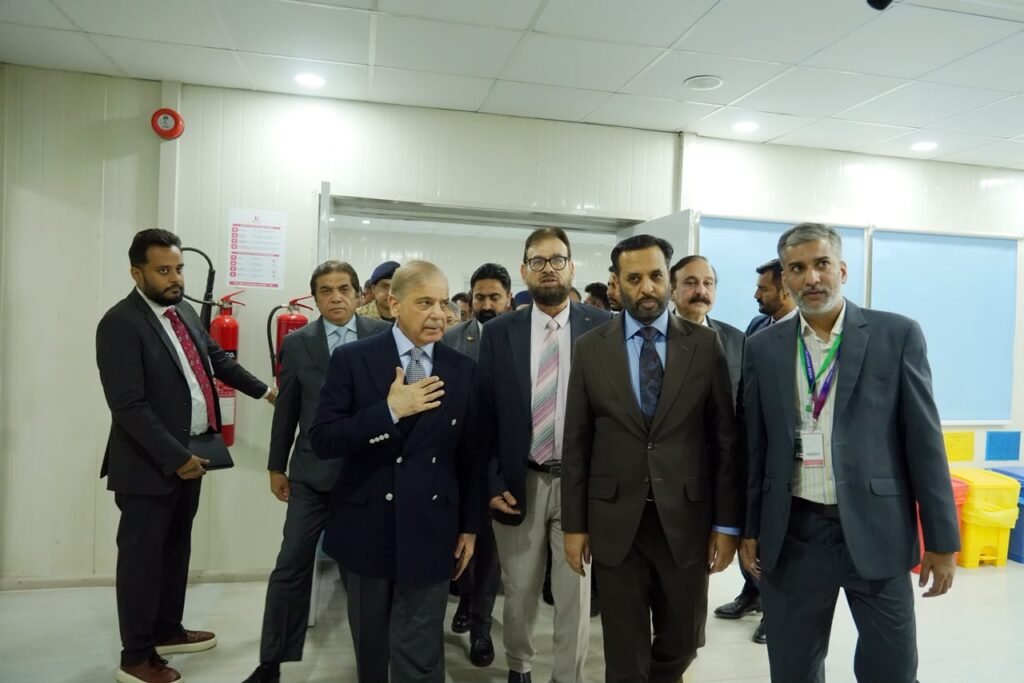
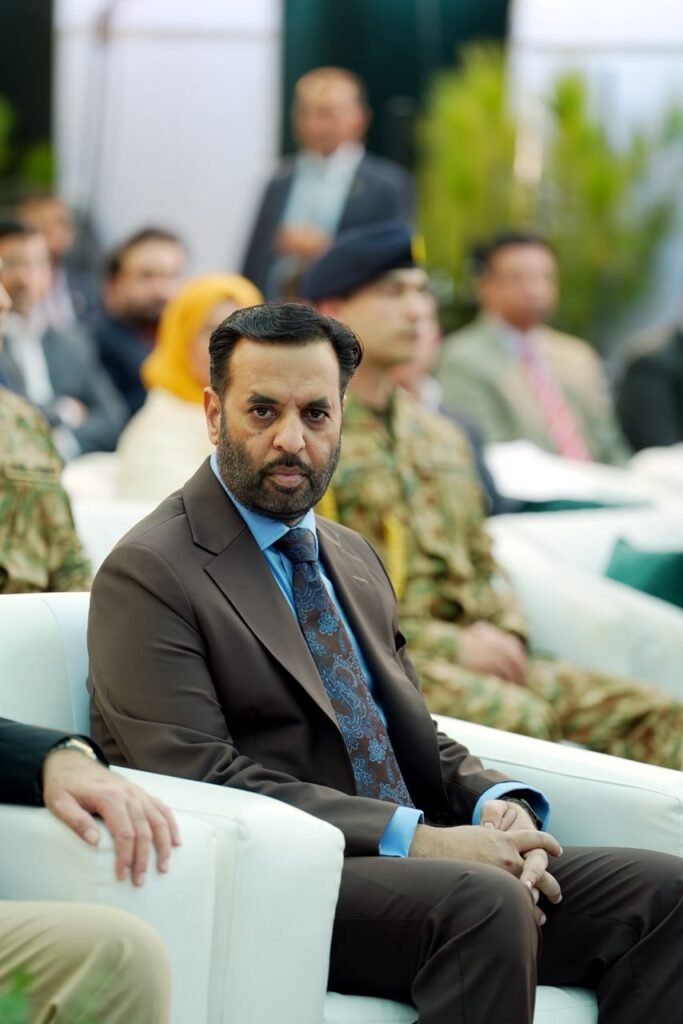
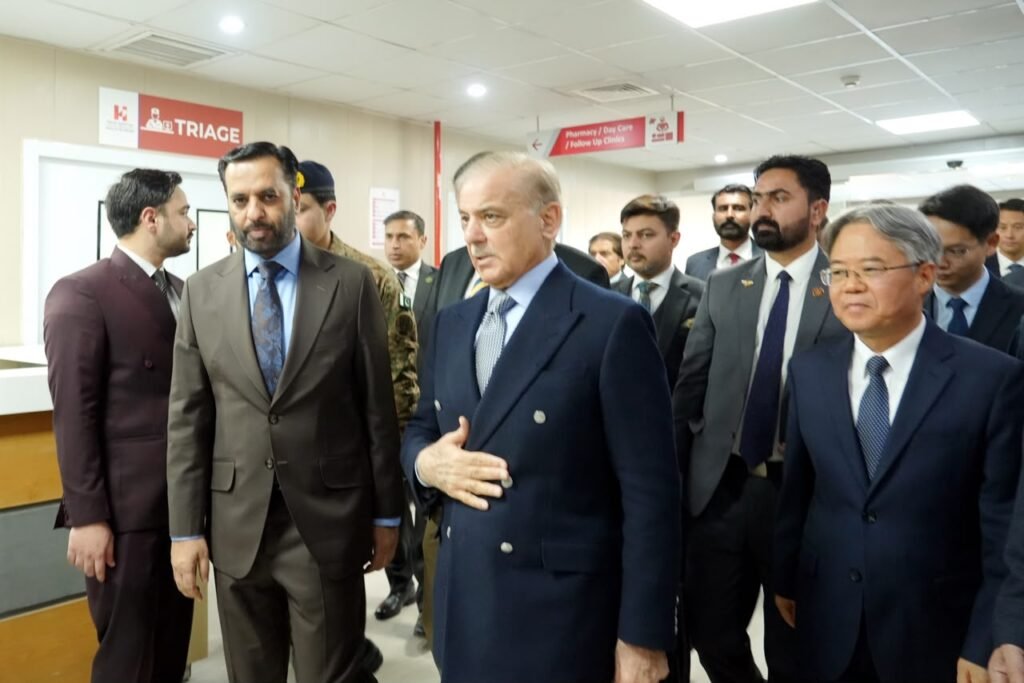
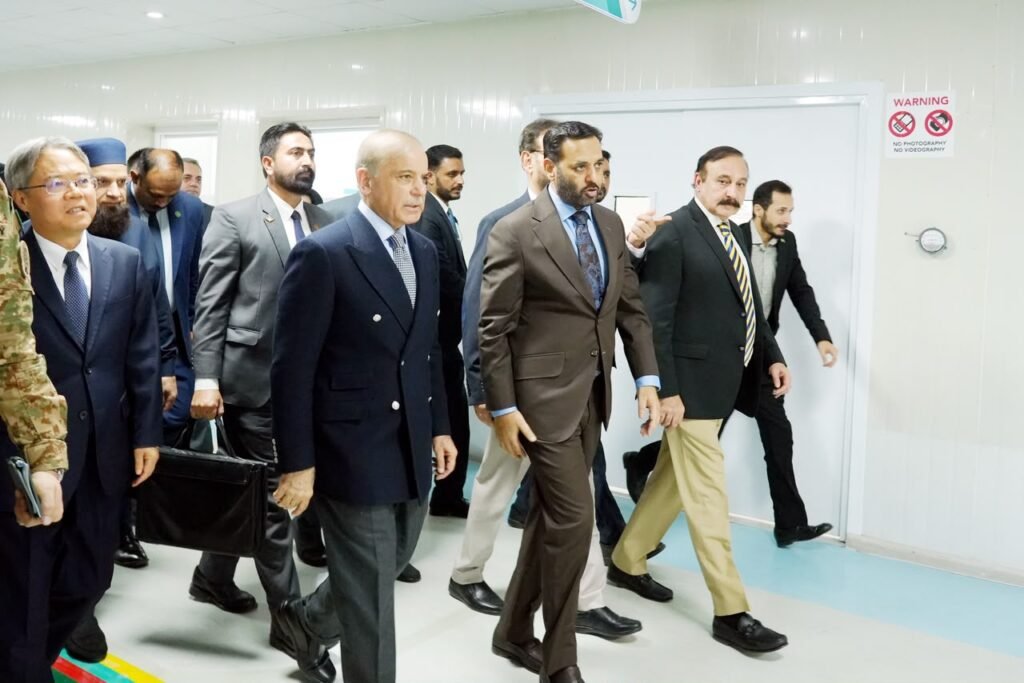
At the inauguration of the 182 bed Pakistan China Friendship Hospital in Islamabad’s Chak Shahzad, I found myself thinking about what a functioning hospital means to an ordinary family. Beyond the speeches and formal proceedings lies a simple expectation: when illness strikes, someone should provide treatment without forcing a household into debt. The hospital’s revival brings that expectation closer to reality, reflecting Prime Minister Shehbaz Sharif’s support and Federal Minister for Health Syed Mustafa Kamal’s sustained efforts.
I was present at the ceremony and watched the prime minister arrive at the appointed time before beginning his inspection. His approach conveyed an understanding that opening a hospital carries responsibilities extending well beyond inauguration day. He acknowledged the work of Federal Minister for Health Syed Mustafa Kamal, Dr Abdul Bari Khan and the Indus Hospital team, while also calling for improvements. That combination of encouragement and scrutiny matters because patients ultimately judge institutions by their experience of care.
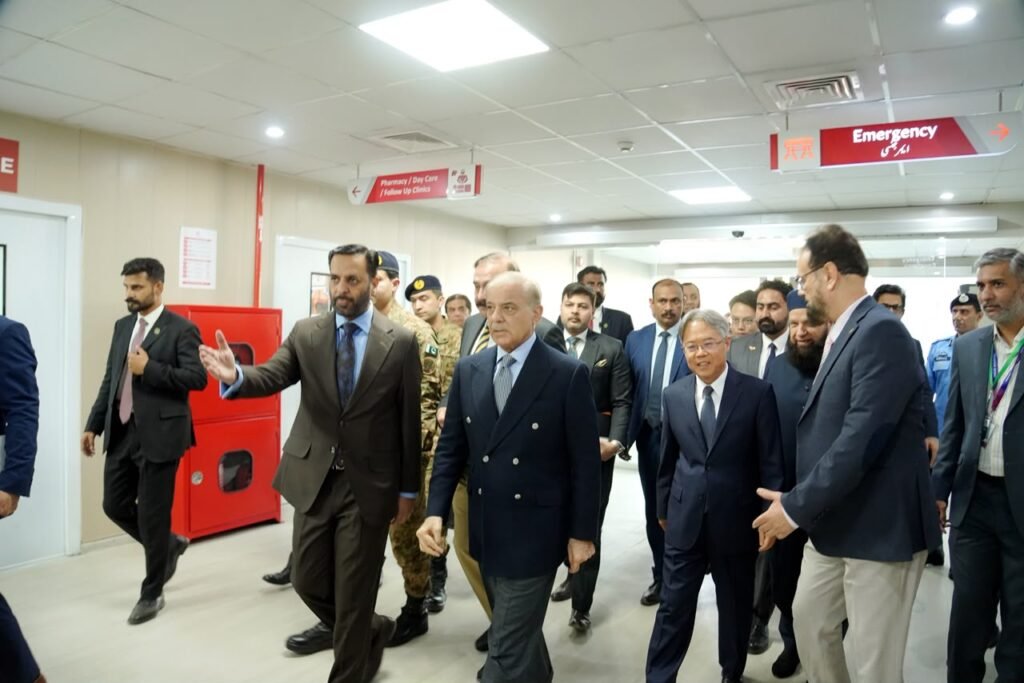
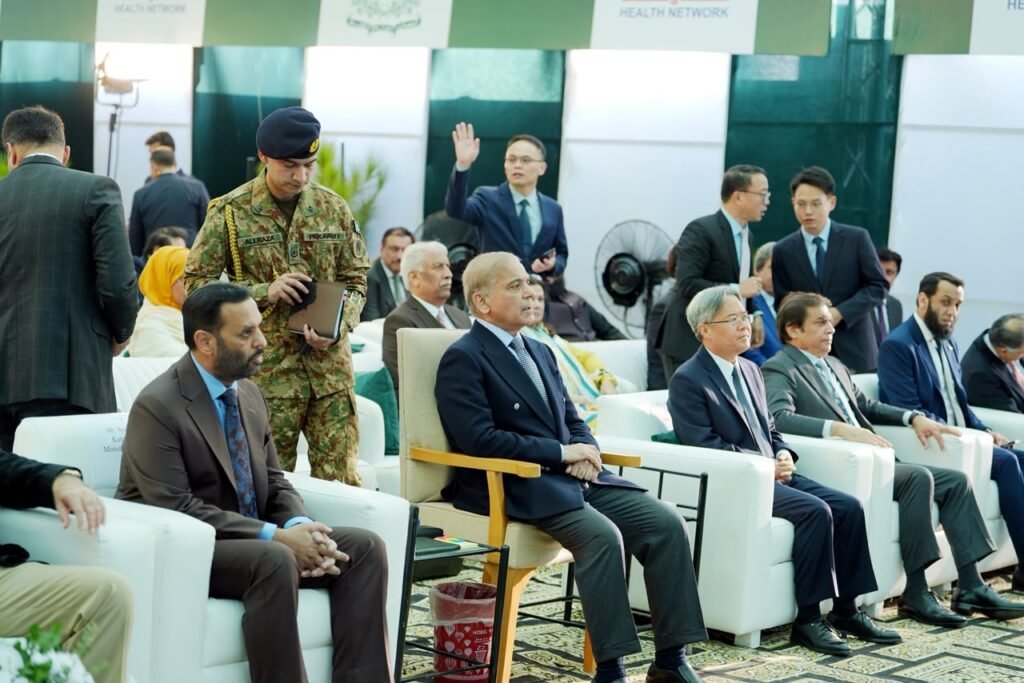
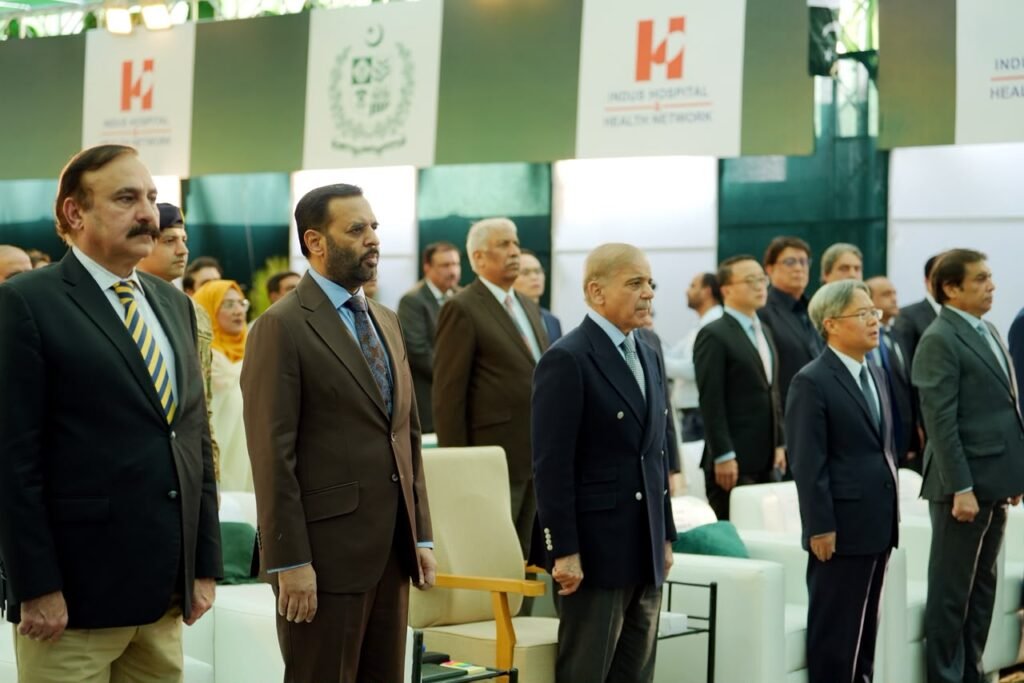
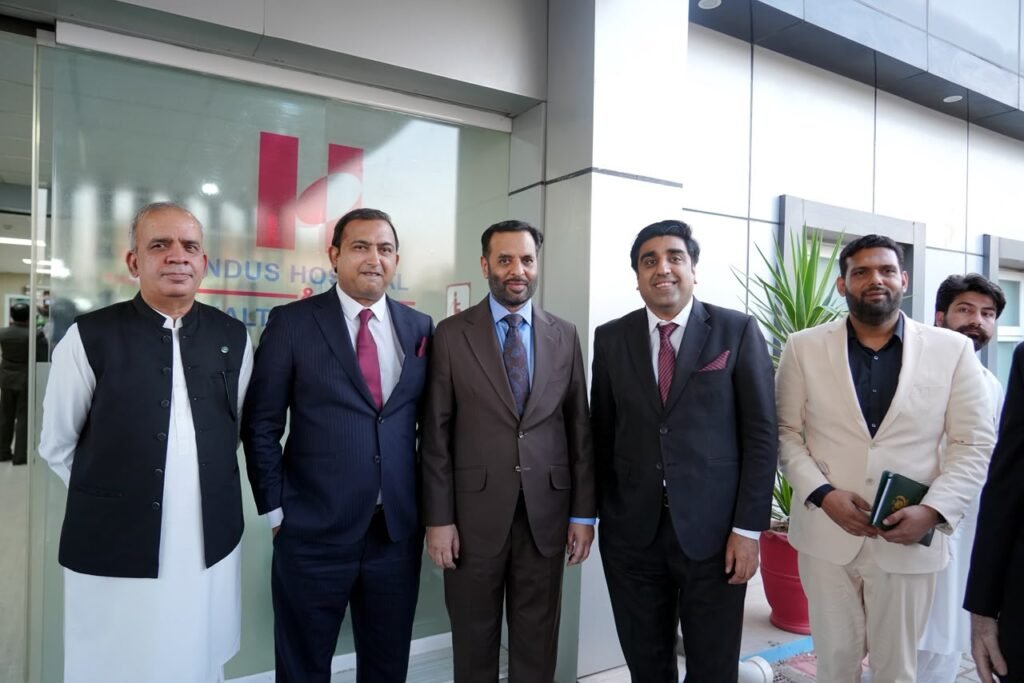
The hospital, a gift from China, served during the coronavirus pandemic but subsequently remained unable to fulfil its potential. Restoring it required administrative coordination, management arrangements and a commitment to meeting recurring expenses. Federal Minister for Health Syed Mustafa Kamal deserves recognition for pursuing this work. Prime Minister Shehbaz Sharif’s backing helped give the undertaking the authority and financial support necessary to move towards regular service. Their respective contributions demonstrate how political direction and ministerial follow through can serve a common public purpose.
For families with limited incomes, free healthcare can change the course of an illness. A consultation may appear affordable, but laboratory investigations, medicines, transport and repeated visits quickly increase the burden. Lost wages create another difficulty. People delay seeking help, hoping their symptoms will disappear, until treatment becomes more complicated. A hospital offering dependable care without unaffordable bills can prevent these painful choices. Its importance reaches beyond individual patients to the security and wellbeing of entire households.
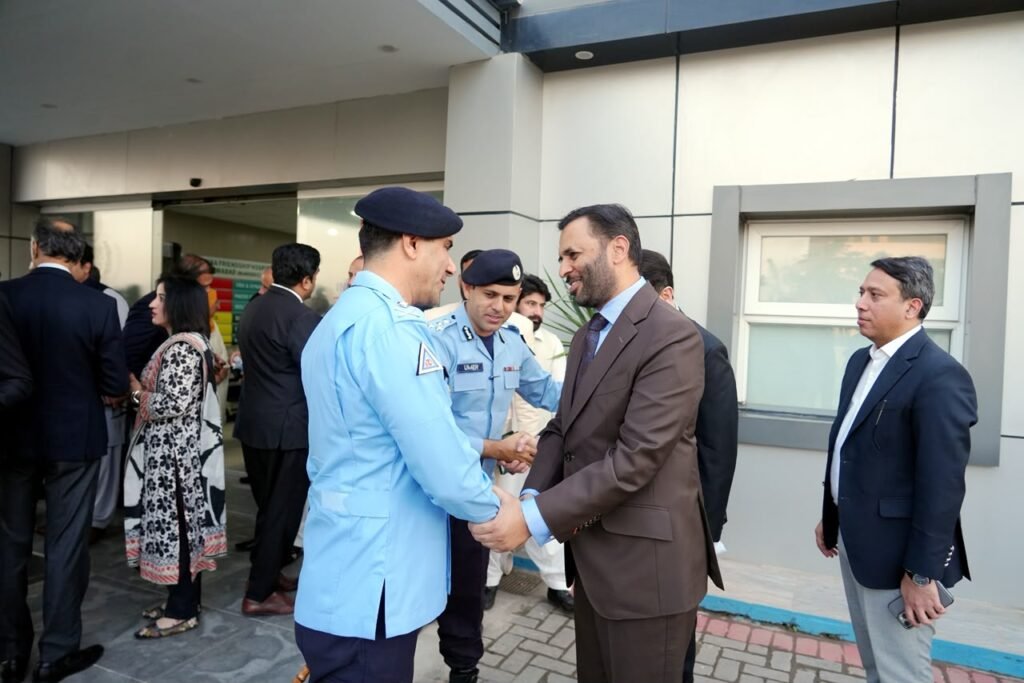
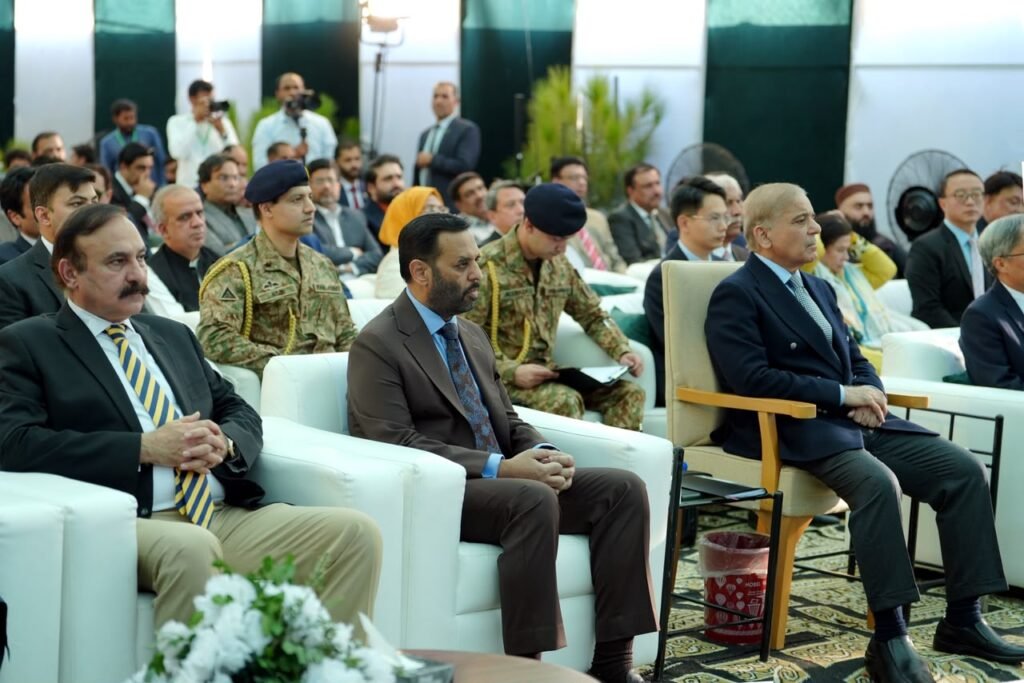
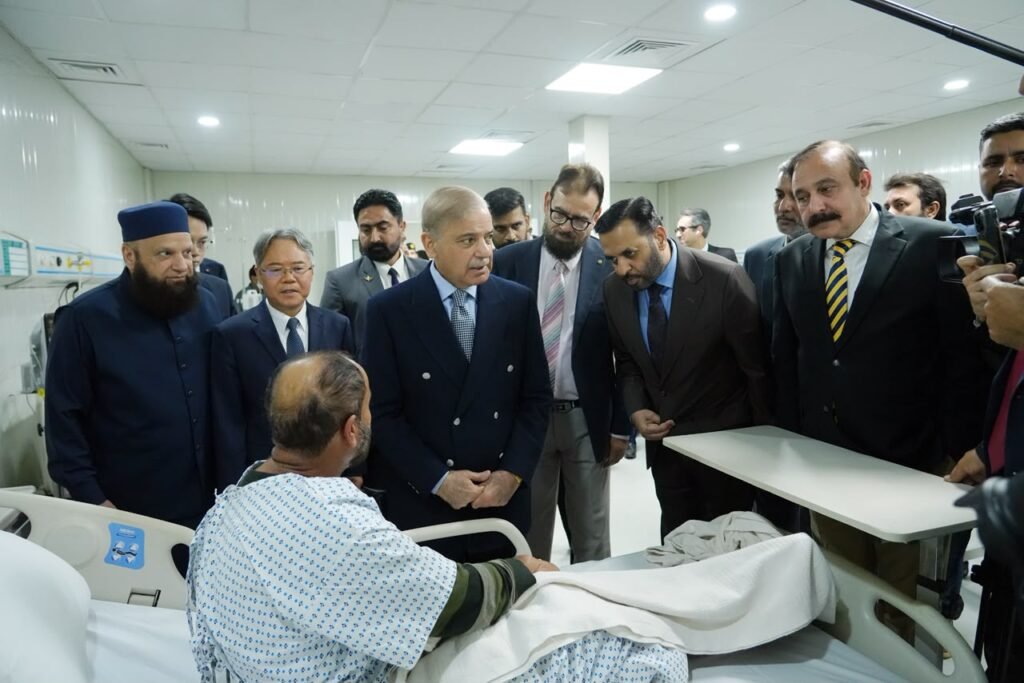
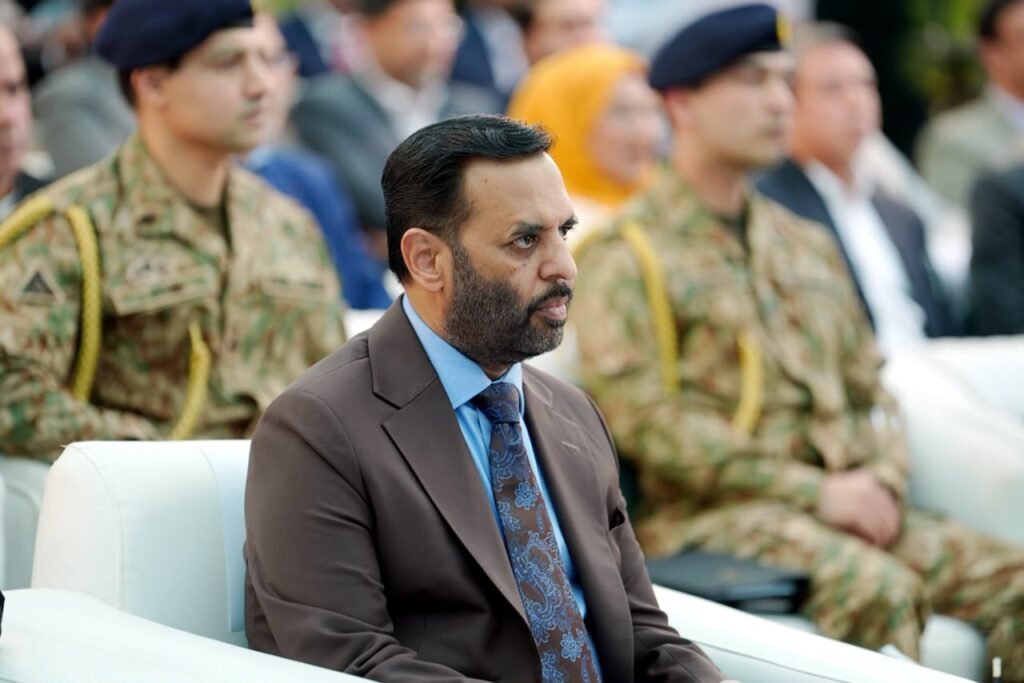
Prime Minister Shehbaz Sharif announced that the federal government would meet the hospital’s annual operating expenses. This commitment addresses a central weakness in many public projects: securing a building is easier than sustaining its services. Equipment requires maintenance, medicines need replenishment and trained staff must remain available. Federal Minister for Health Syed Mustafa Kamal’s collaboration with Indus Hospital and Dr Abdul Bari Khan’s team brings management experience to this undertaking. Public financing and professional administration must now translate into consistent treatment.
Those familiar with Federal Minister for Health Syed Mustafa Kamal’s tenure as Karachi’s mayor will recognise his emphasis on completing projects and improving services. Healthcare presents its own complexities, demanding close attention to staffing, clinical standards and patients’ needs. His work on this hospital reflects the value of sustained engagement with implementation. Prime Minister Shehbaz Sharif’s attention to performance adds another layer of responsibility. Together, their efforts will be judged by whether the institution remains accessible, organised and responsive after public attention moves elsewhere.
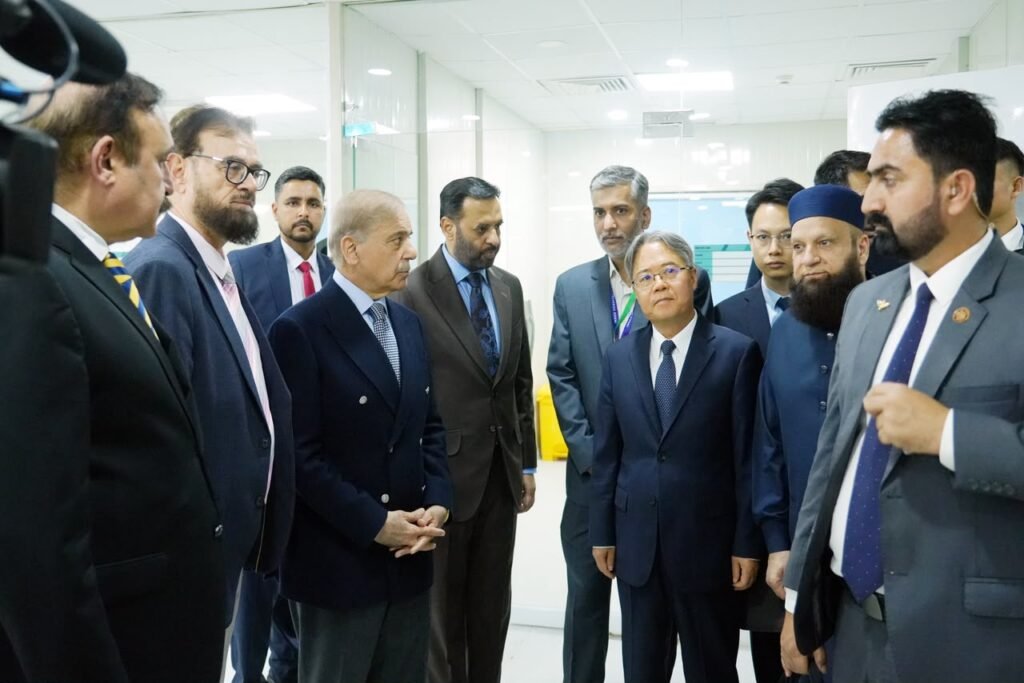
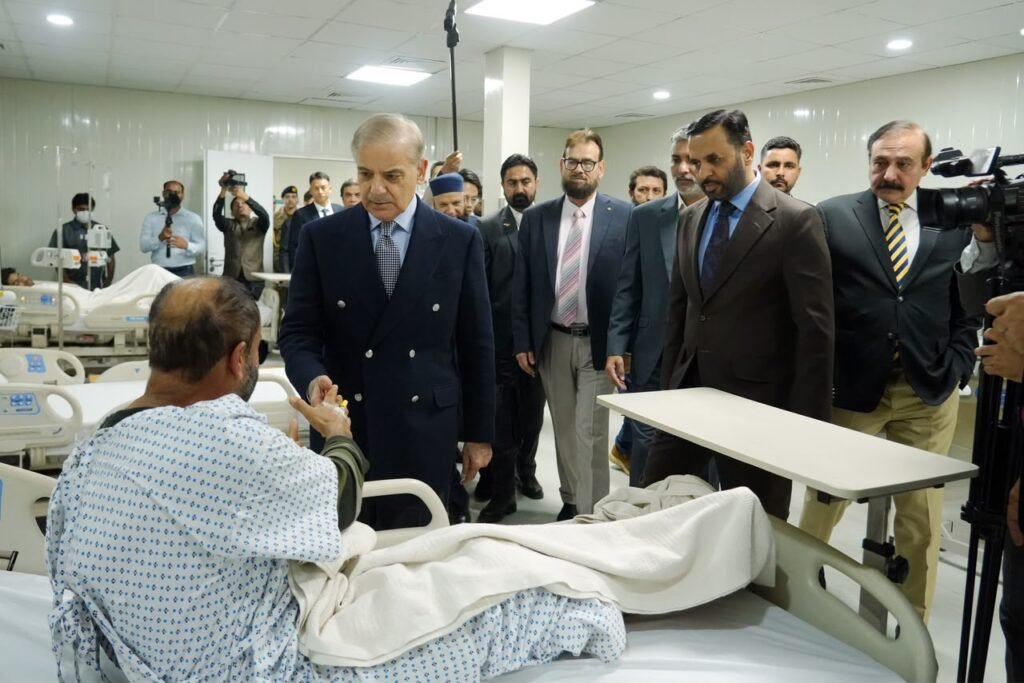
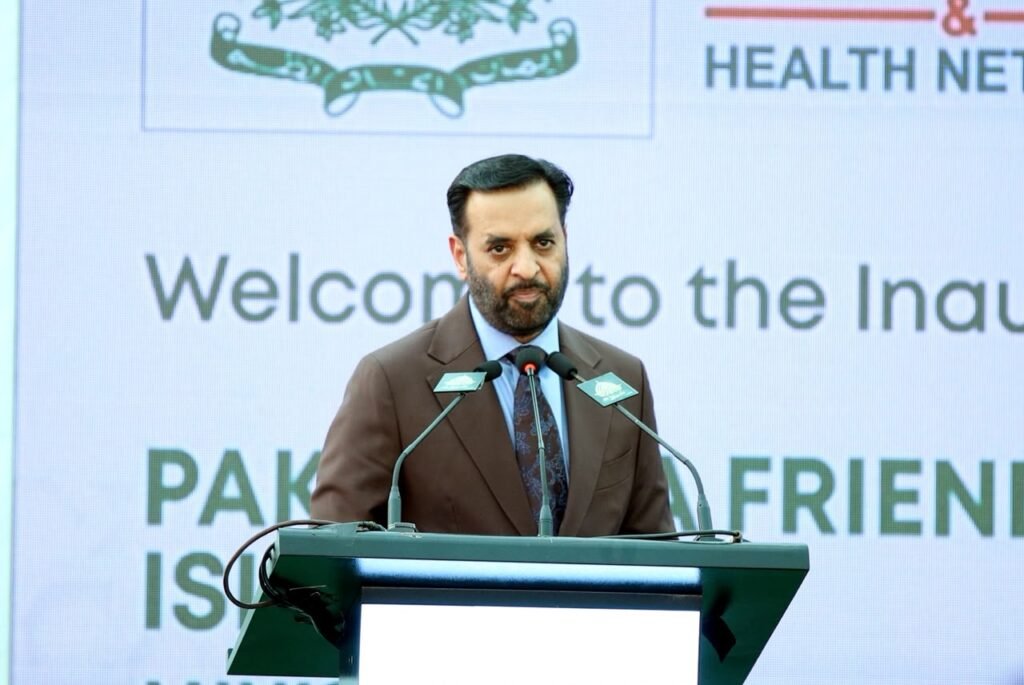
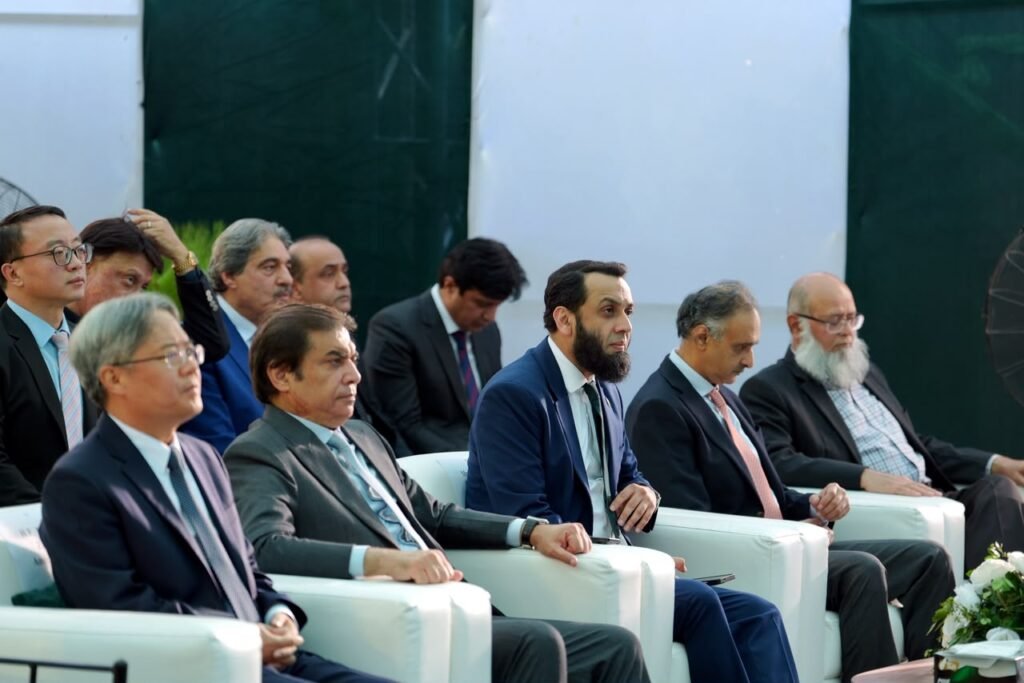
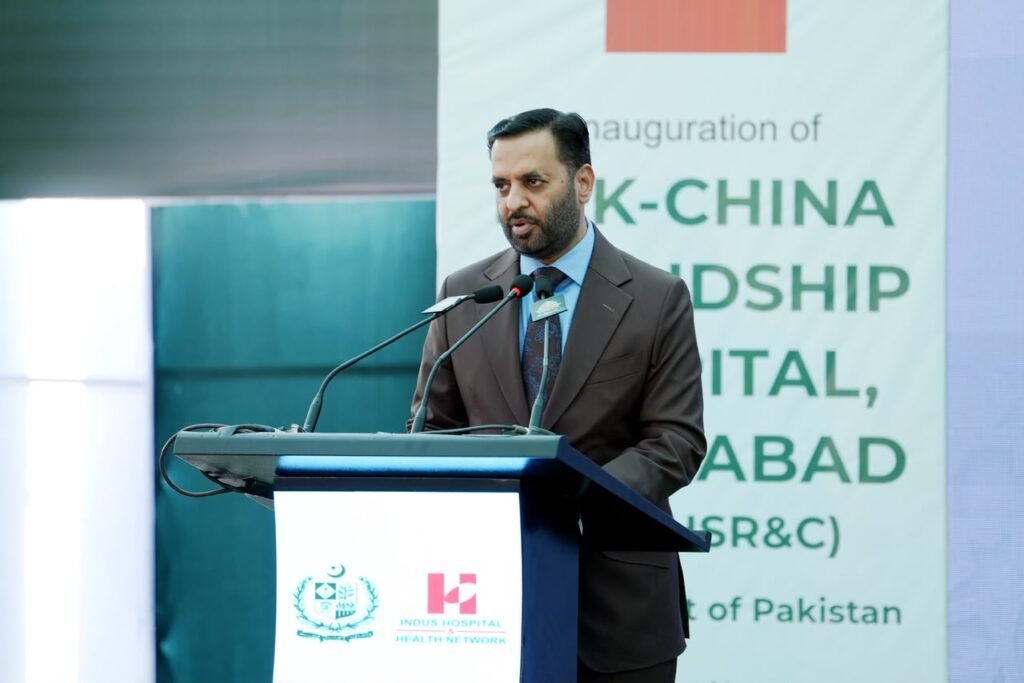
At the ceremony, Federal Minister for Health Syed Mustafa Kamal described how the prime minister’s personal intervention helped secure further concessions after rates had already been settled. The account illustrated their shared attention to expenditure. Healthcare resources are limited, and responsible negotiation can create room to treat more patients. However, savings must support dependable services and acceptable standards. The real achievement will be an arrangement in which public funds are used carefully and patients receive the medicines, investigations and professional attention their condition requires.
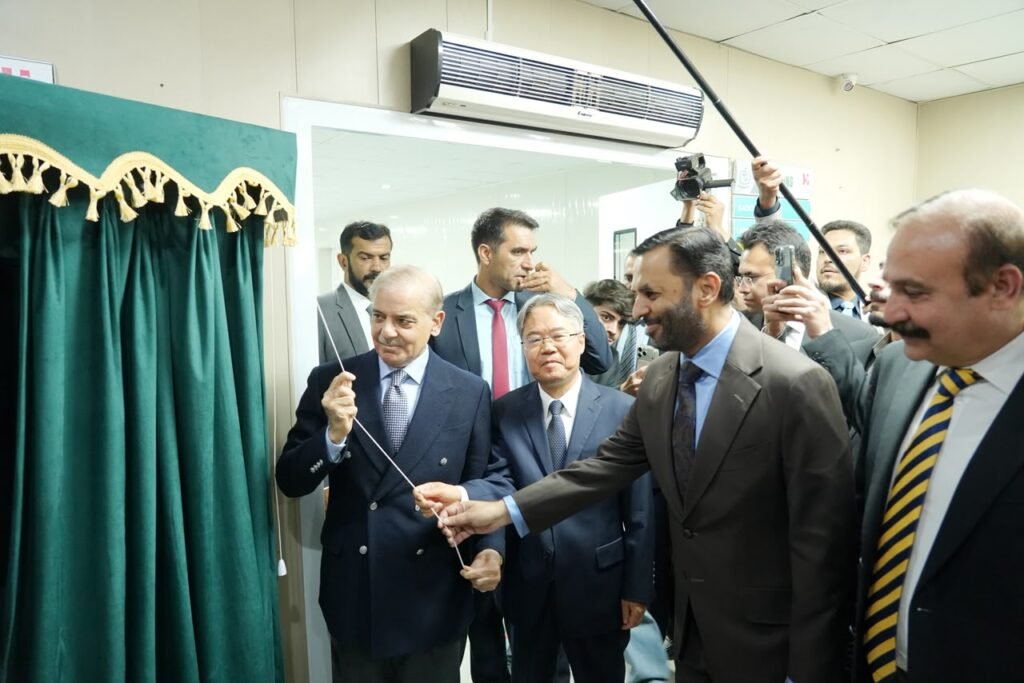
Federal Minister for Health Syed Mustafa Kamal also referred to the restoration of the health card programme, explaining that 15 private hospitals had joined the system, providing 2,600 additional beds for eligible patients. He further mentioned a 176 bed trauma centre at PIMS and a 200 bed cancer hospital expected to become operational the following year. These initiatives indicate the wider ambition behind the government’s health agenda. Their success will depend on clear eligibility arrangements, adequate staffing, reliable supplies and continuity of funding.
The prime minister’s call for higher standards and the independent performance audit announced for the hospital offer a basis for accountability. Regular assessment should identify shortages, delays and weaknesses early enough for corrective action. Federal Minister for Health Syed Mustafa Kamal’s emphasis on creating a system that continues functioning after current officeholders leave is equally significant. Patients should be able to obtain treatment through established procedures, with confidence that services will remain available regardless of who holds public office.
Leaving Chak Shahzad, I thought about the families who would soon enter these wards seeking relief. Prime Minister Shehbaz Sharif has provided leadership and financial backing, while Federal Minister for Health Syed Mustafa Kamal has helped carry the project into practical service. Their shared commitment now has a clear measure: competent treatment, respectful attention and protection from financial hardship. For the people who depend on this hospital, those everyday outcomes will be the lasting expression of public service.