
By Irfan Siddiqui
In the evolving political landscape of Pakistan, Balochistan has long been a region where tradition and tribal influence shape governance. Yet, a new generation of educated, forward-looking leaders is beginning to redefine this narrative. Among them, Zarain Khan Magsi stands out as a promising young voice, blending legacy with modern vision.
Coming from the influential Magsi family, Zarain Khan Magsi carries a heritage deeply rooted in public service. His father, Mir Aamir Ali Khan Magsi, a seasoned Member of the National Assembly affiliated with the Pakistan Peoples Party, has long been recognized for his consistent role in national politics and his connection with grassroots communities. The Magsi family name is synonymous with influence, responsibility, and an enduring commitment to public welfare across both Sindh and Balochistan.
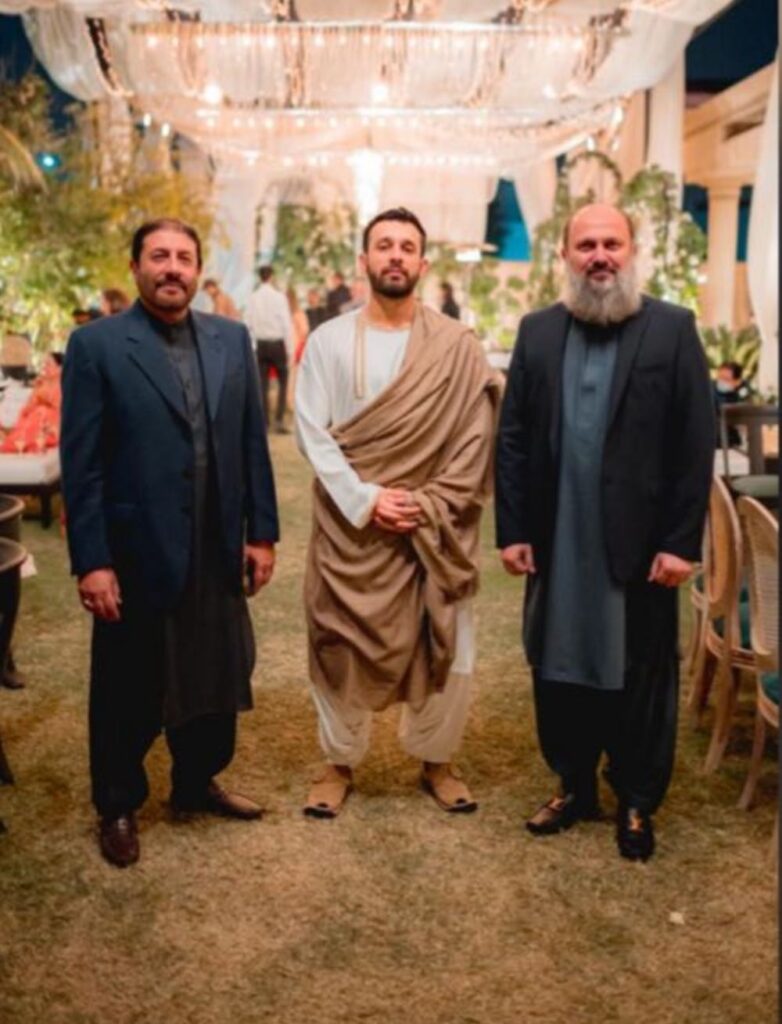
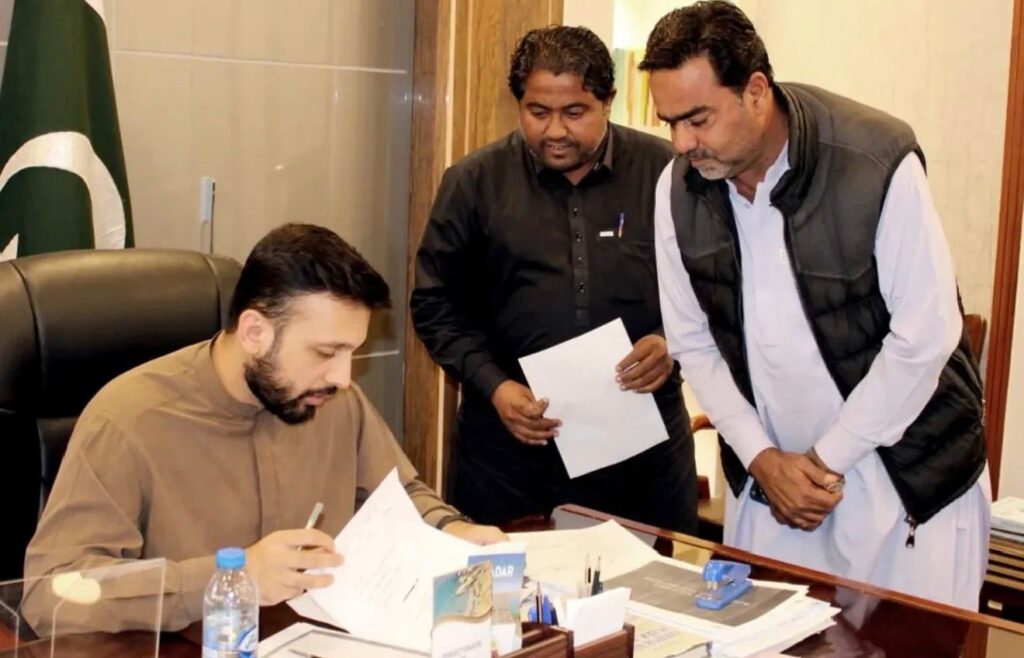
Adding another dimension to his political lineage is his father-in-law, Jam Kamal Khan, a prominent figure currently serving as Federal Minister for Commerce and a key leader within the Pakistan Muslim League (N). Jam Kamal Khan’s tenure, both as a provincial leader and now at the federal level, reflects a pragmatic approach to governance, particularly in economic development and institutional strengthening. This blend of political traditions places Zarain Magsi at a unique crossroads of experience and innovation.
Educated at some of the world’s leading institutions, Zarain Magsi represents a new breed of Pakistani politicians. From Karachi Grammar School to international education in Switzerland, followed by degrees in International Affairs and Political Philosophy from the University of San Francisco, and a Master’s in Public Policy from the University of Sydney, his academic background equips him with a global perspective. This exposure is clearly reflected in his policy-oriented approach to governance.
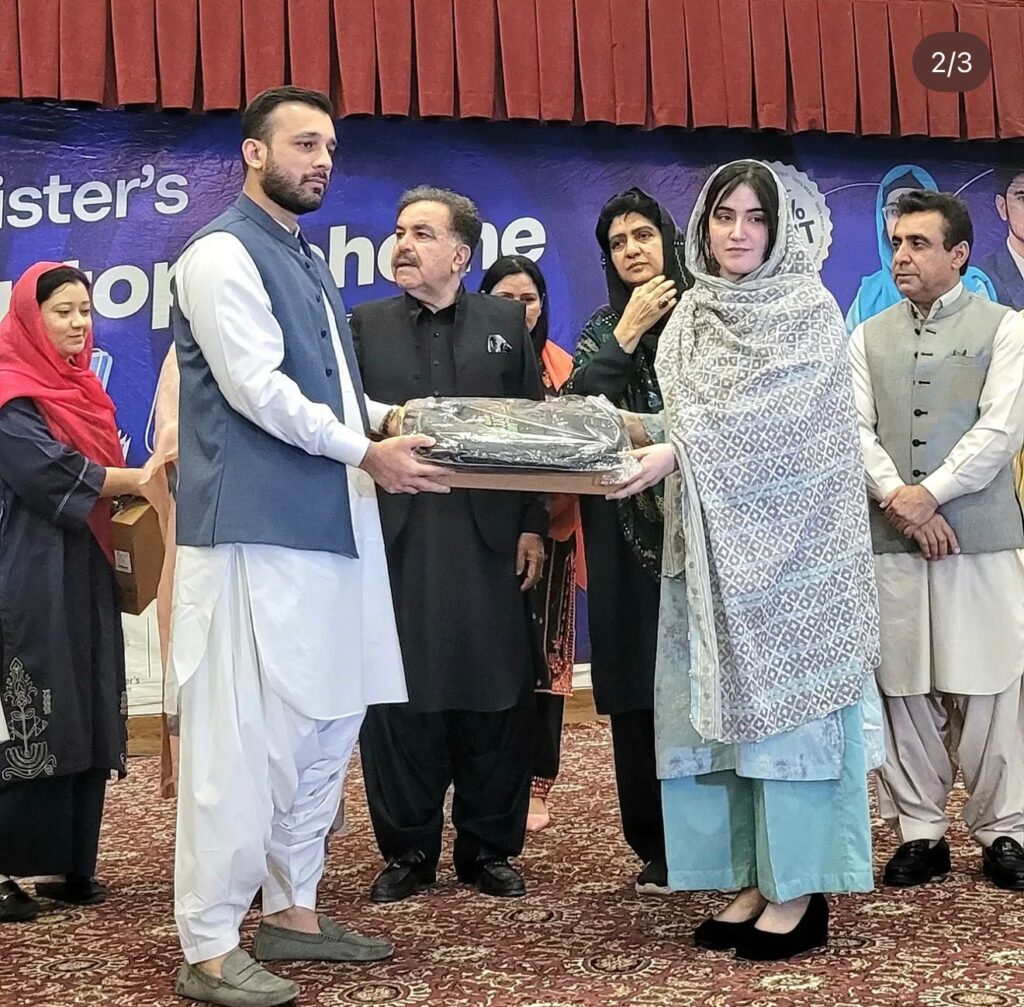
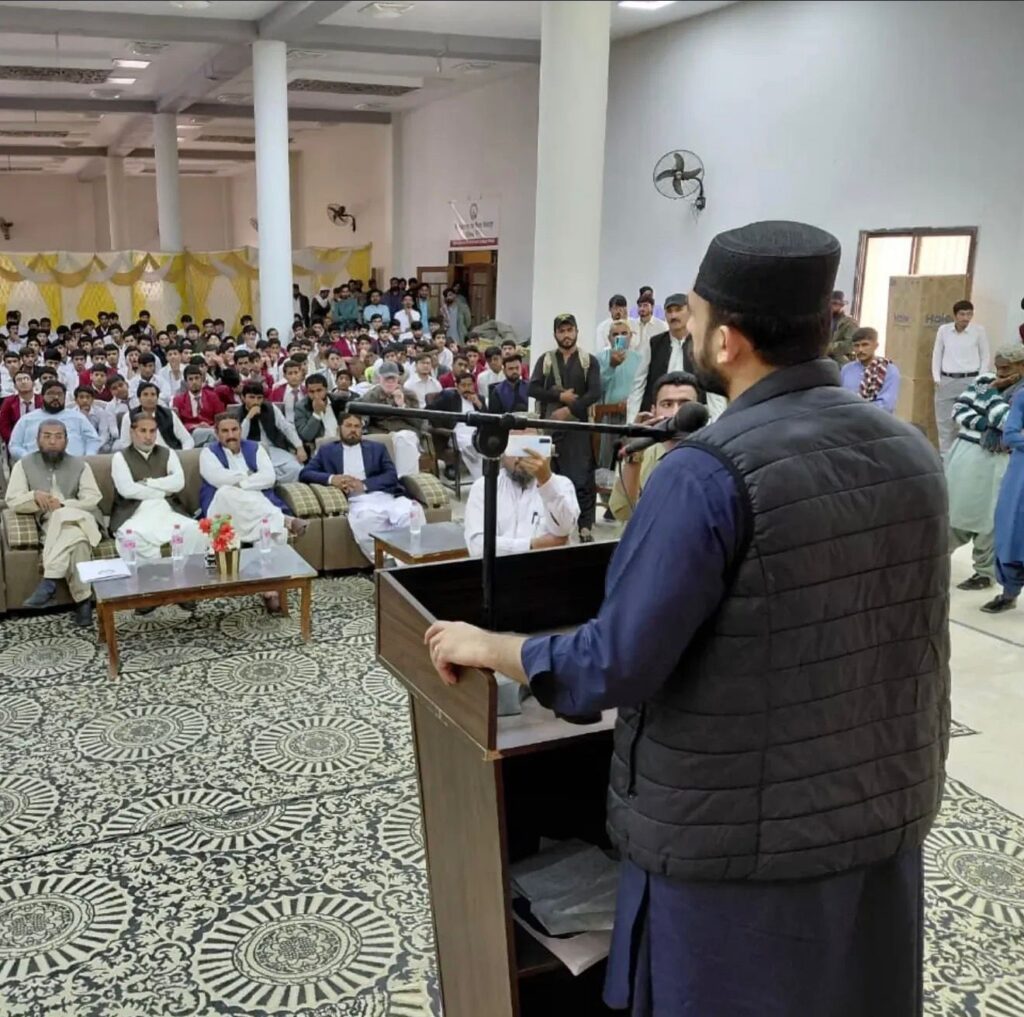
As a Member of the Provincial Assembly of Balochistan and Parliamentary Secretary for Law, Tourism, and Culture, Zarain Magsi has already begun to translate vision into action. His contributions to legislative reforms and cultural preservation initiatives highlight a balanced focus on governance and identity. One of his most notable achievements has been the remarkable progress in the education sector of Lasbela, where enrollment targets were not only met but exceeded, securing the district the top position across Balochistan. Such results are not mere statistics; they represent opportunity, access, and hope for thousands of children, especially young girls.
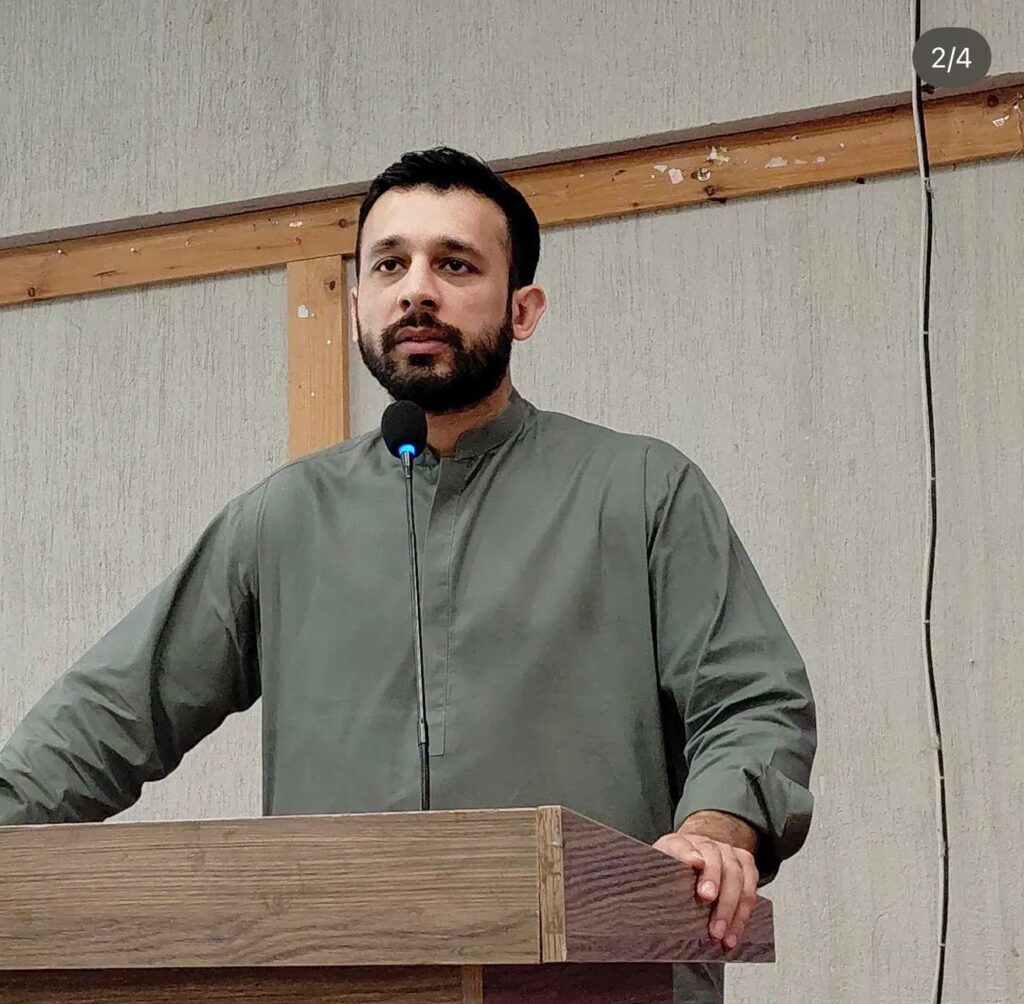
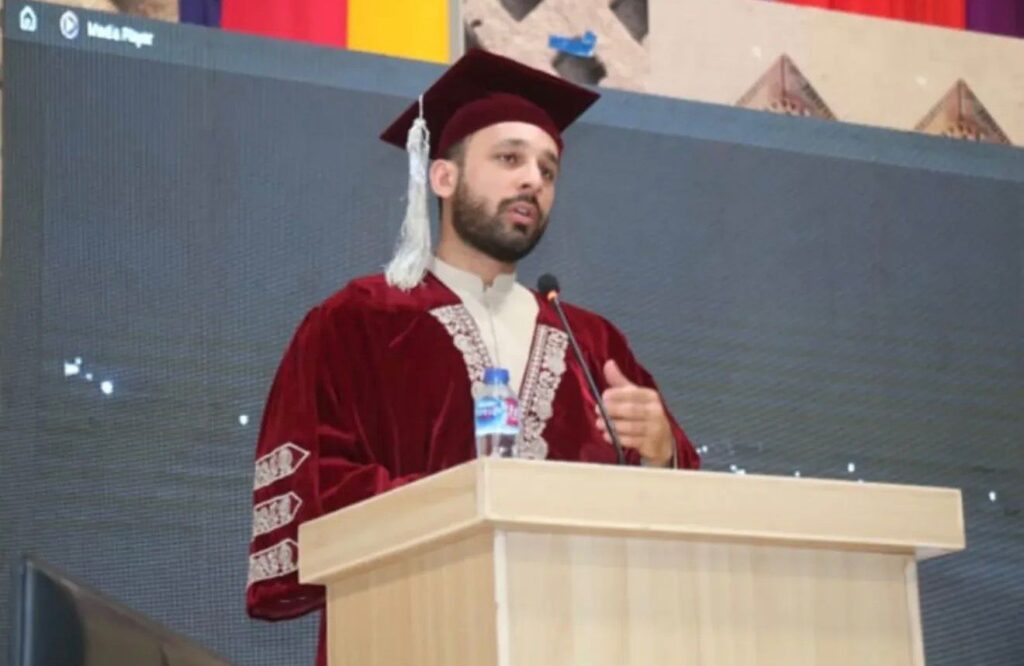
Equally important is his engagement in social welfare. From leading flood relief efforts to organizing COVID-19 response initiatives and addressing water scarcity through practical interventions, his work reflects a hands-on leadership style. In a province often challenged by underdevelopment, these efforts resonate deeply with the public.
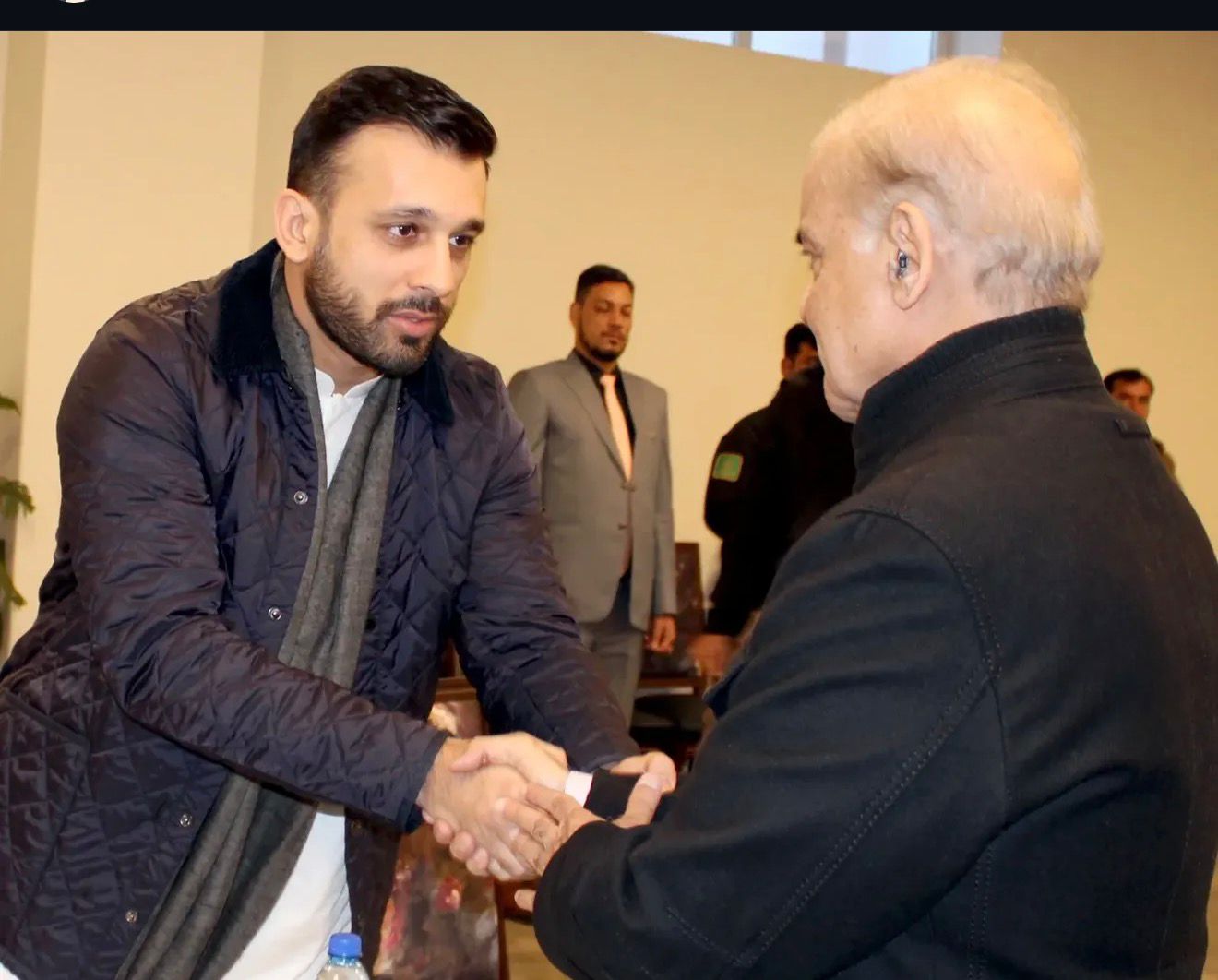
At the broader national level, the role of the Pakistan Muslim League (N) in shaping development narratives cannot be overlooked. Under the leadership of Prime Minister Shehbaz Sharif, the focus on infrastructure, economic stability, and governance reforms has set a tone of seriousness and urgency. For regions like Balochistan, this translates into a renewed commitment to inclusion, connectivity, and opportunity.
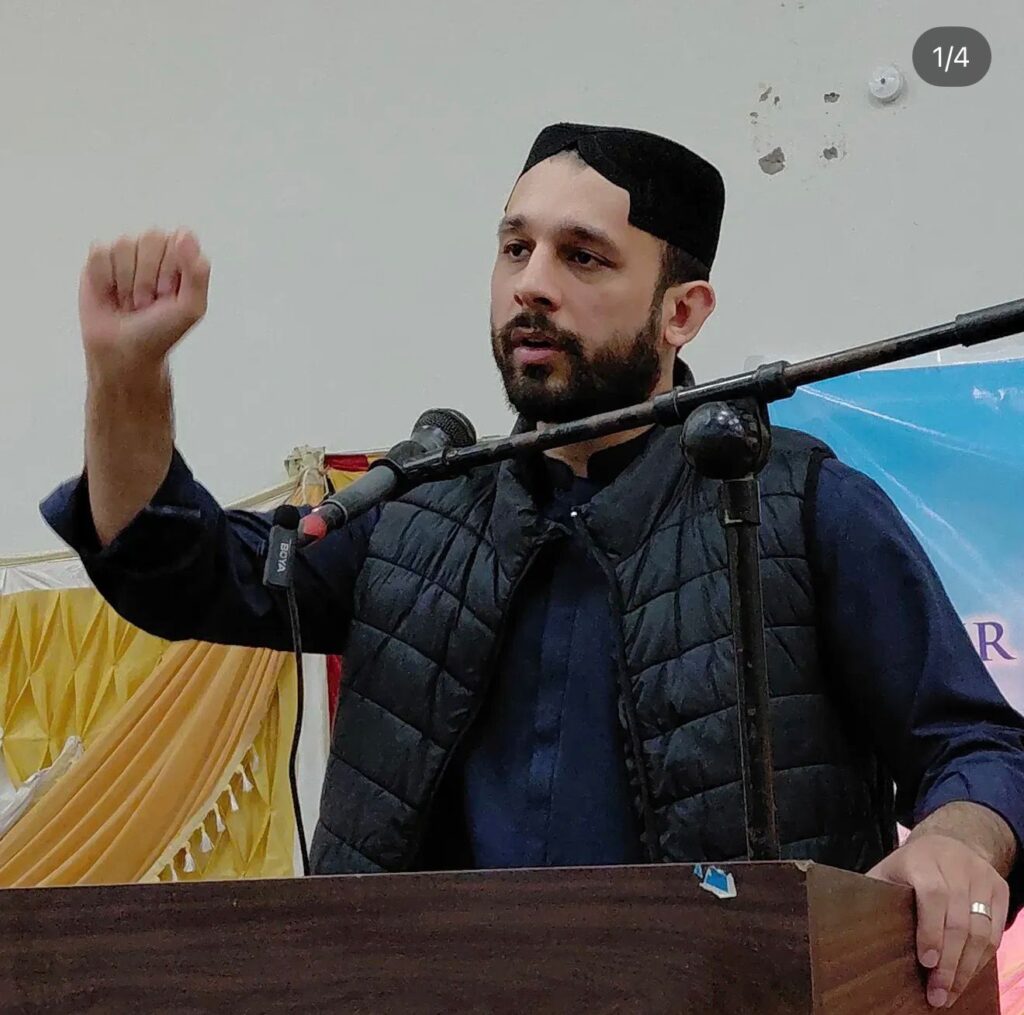
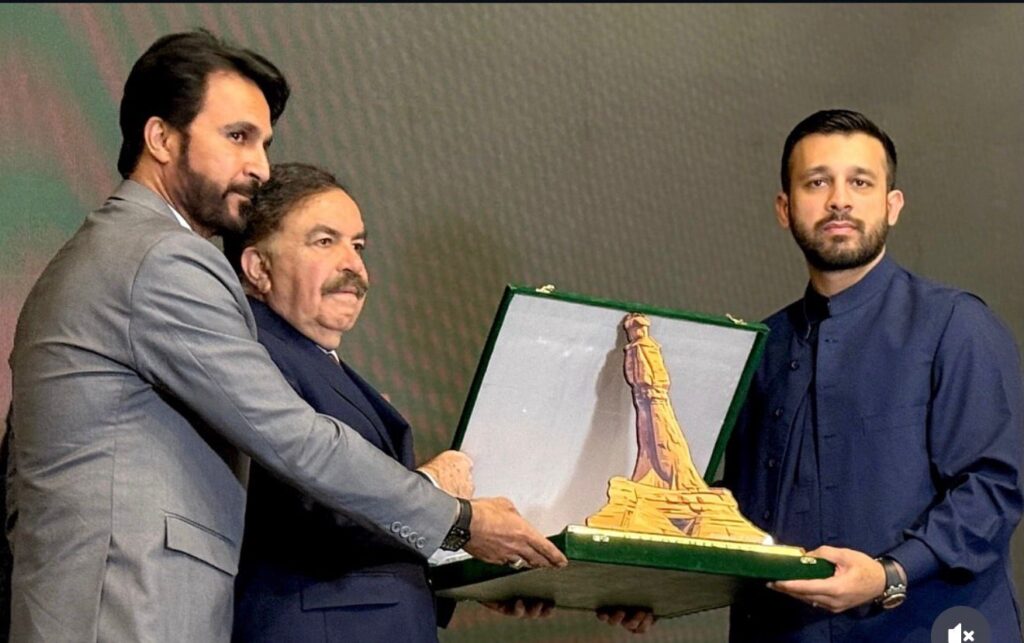
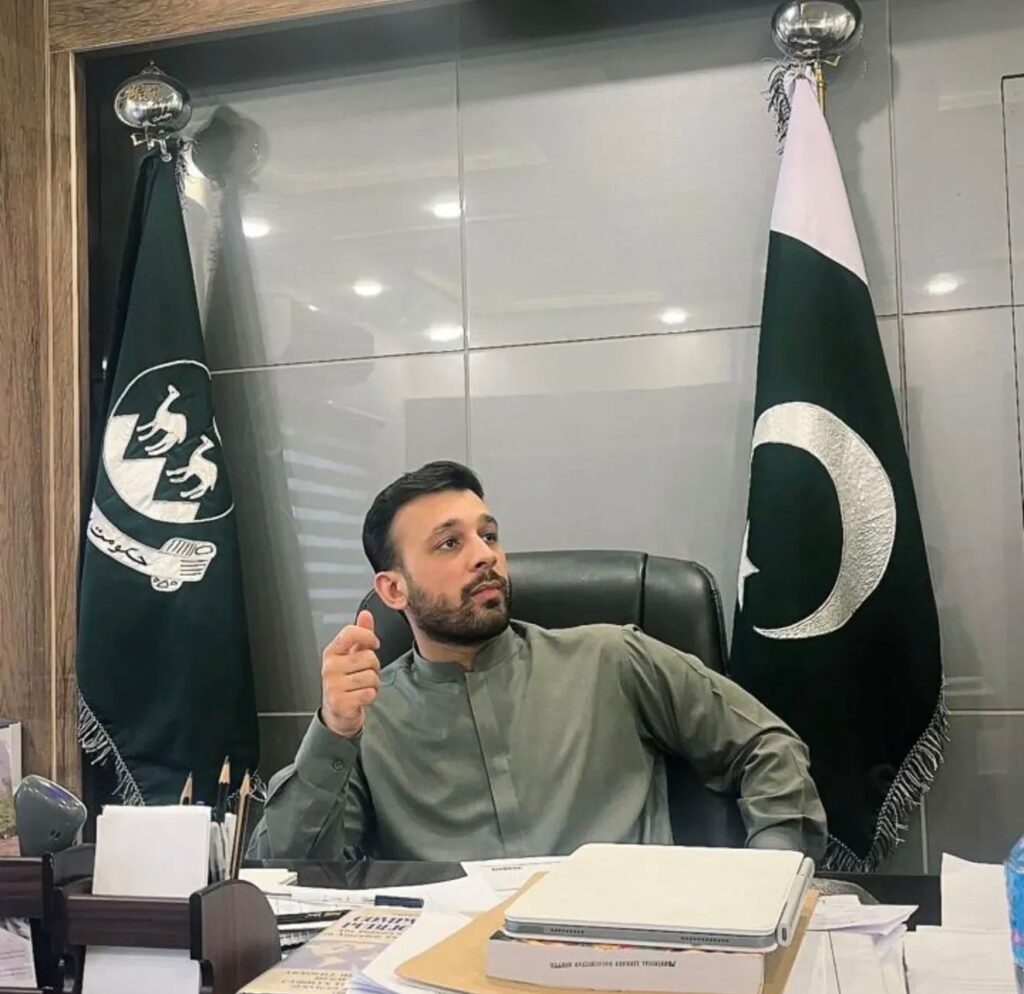
Zarain Magsi’s alignment with this broader vision suggests a political maturity that goes beyond personal ambition. It reflects an understanding that Balochistan’s future lies in integration with national development goals while preserving its unique cultural and social fabric.
The real challenge, however, is not just to achieve isolated successes but to sustain momentum. Balochistan needs consistent investment in education, healthcare, and infrastructure, coupled with policies that empower local communities. Leaders like Zarain Magsi have the potential to bridge the gap between policy and people, provided they continue to prioritize transparency, accountability, and inclusivity.
The story of Zarain Khan Magsi is still in its early chapters, but it already carries the promise of transformation. In a province where expectations have long been overshadowed by challenges, the emergence of educated and proactive leadership offers a glimpse of hope.
If nurtured with the right intent and supported by strong governance at the federal level, this new wave of leadership can redefine Balochistan’s future—not as a region of untapped potential, but as a cornerstone of Pakistan’s progress.