
War Risk Insurance Costs to End, Boosting Trade and Investor Confidence
By Irfan Siddiqi
ISLAMABAD: Pakistan has achieved a landmark success in the maritime sector as the country’s territorial waters have officially been removed from the Lloyd’s Joint War Committee Listed Areas, a development expected to significantly reduce shipping costs, strengthen investor confidence, and enhance Pakistan’s position as a regional maritime and trade hub.
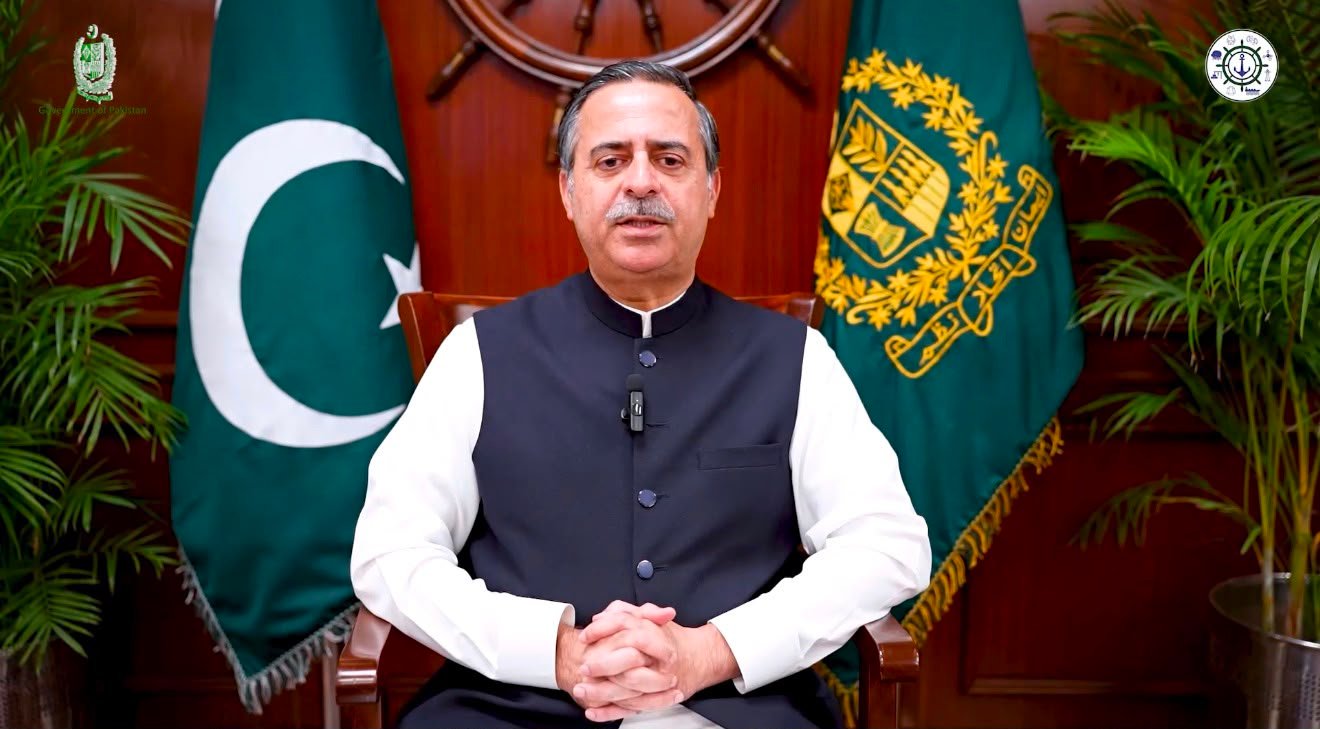
Federal Minister for Maritime Affairs Junaid Anwar Chaudhry described the achievement as a historic milestone, crediting the success to the visionary leadership of Prime Minister Muhammad Shehbaz Sharif and the coordinated efforts of the Ministry of Maritime Affairs over the past four months.
According to the Minister, the federal government constituted a dedicated committee on the instructions of the Prime Minister to engage with relevant international stakeholders and present Pakistan’s improved maritime security environment. The committee’s persistent diplomatic and technical efforts ultimately resulted in Pakistan’s removal from the list of high risk maritime areas maintained by the Lloyd’s Joint War Committee.
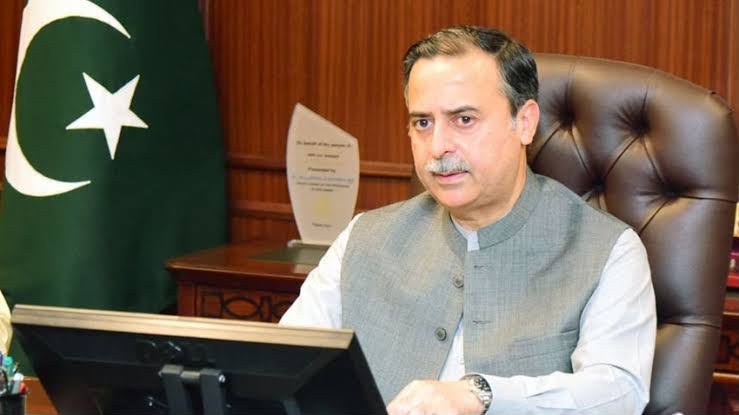
“This is a historic achievement for Pakistan’s maritime sector,” Junaid Anwar Chaudhry said, adding that the accomplishment reflects the government’s commitment to restoring international confidence in Pakistan’s shipping and port infrastructure. He also acknowledged the strategic guidance provided by the Prime Minister and the country’s military leadership throughout the process.
With Pakistan no longer categorized as a listed risk area, international shipping companies will no longer be required to pay war risk insurance premiums and additional security surcharges while calling at Pakistani ports. Industry experts believe this will substantially reduce transportation costs for imports and exports, making Pakistani trade more competitive in international markets.
The Minister emphasized that lower shipping costs will directly benefit exporters and importers by reducing logistical expenses, thereby improving the competitiveness of Pakistani products in global markets. He noted that the decision would also encourage greater participation by international shipping lines and logistics companies in Pakistan’s maritime sector.
Junaid Anwar Chaudhry further stated that the removal of Pakistan from the listed areas would strengthen the confidence of global investors, shipping operators, and commercial partners. Increased confidence, he said, is expected to translate into higher maritime activity, expanded investment opportunities, and stronger economic growth linked to the country’s ports and logistics network.
The development is also expected to enhance the strategic importance of Karachi Port, Port Qasim, and Gwadar Port, positioning them as more attractive gateways for regional and international trade. Improved confidence among global shipping operators is likely to increase cargo traffic and create new opportunities for transit trade connecting South Asia, Central Asia, the Middle East, and beyond.
Observers describe the decision as a major diplomatic and economic success that reflects Pakistan’s improving maritime security profile and its growing importance in regional commerce. They believe the government’s sustained engagement with international maritime institutions has delivered tangible economic benefits that will support trade, attract investment, and strengthen Pakistan’s standing in the global shipping industry.
The Ministry of Maritime Affairs has expressed confidence that this milestone will open a new chapter for Pakistan’s blue economy, enabling the country to capitalize on its strategic coastline while expanding trade, improving port competitiveness, and creating fresh opportunities for sustainable economic development.