Report by IRFAN SIDDIQUI
KARACHI: Sindh Education Minister Syed Sardar Ali Shah’s efforts to promote merit in teacher recruitment and introduce digital administration have received recognition, with official records highlighting substantial appointments and measures aimed at making departmental procedures more transparent.
According to the Sindh Education Policy Commission’s annual achievement report for 2024–25, the provincial government recruited more than 93,000 qualified teachers through a process described by the department as merit based. In his message, Shah identified the appointments as a major achievement supporting the government’s commitment to educational quality and accessibility.
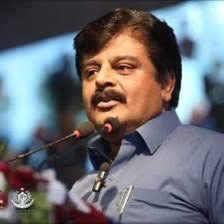
The recruitment programme also received appreciation during an April 2026 meeting of a Sindh Assembly special committee examining candidates awaiting teaching appointments. Assembly Speaker Syed Awais Qadir Shah praised the education minister and his department for conducting recruitment on such a large scale while maintaining merit and transparency, according to the assembly’s official account.
The meeting brought together government representatives, opposition members and departmental officials, providing a forum to examine vacancies, waiting lists and administrative requirements. The committee sought a comprehensive strategy to address pending cases, while emphasising that educational quality must remain central to recruitment decisions.
This parliamentary engagement provides an avenue for examining recruitment concerns openly and pursuing solutions through consultation. It also places outstanding applications within a formal review process involving representatives from different political parties.
Alongside recruitment, Shah’s department has introduced an employee portal and an electronic transfer system. The department’s official portal records the teacher transfer system’s launch as effective from January 15, 2026, marking a practical step towards modernising personnel management.
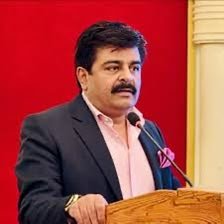
The portal offers online applications, application status tracking, centralised transfer records and digital document management. These features are intended to reduce paperwork, minimise manual errors and make administrative processes easier for employees to follow.
In his message on the portal, Shah presented efficiency and transparency as guiding objectives for departmental initiatives. Digitising transfers creates a documented process that can support clearer administration and greater accountability, although its lasting impact will depend on consistent implementation.
The wider reform agenda outlined in the department’s annual report includes professional development, stronger conceptual learning and measures to improve educational access. Together, the recruitment drive and digital services demonstrate Shah’s emphasis on strengthening both classroom staffing and the systems supporting teachers. Their continued implementation offers Sindh an opportunity to translate administrative progress into more dependable public education services for children across the province.