By Irfan Siddiqui
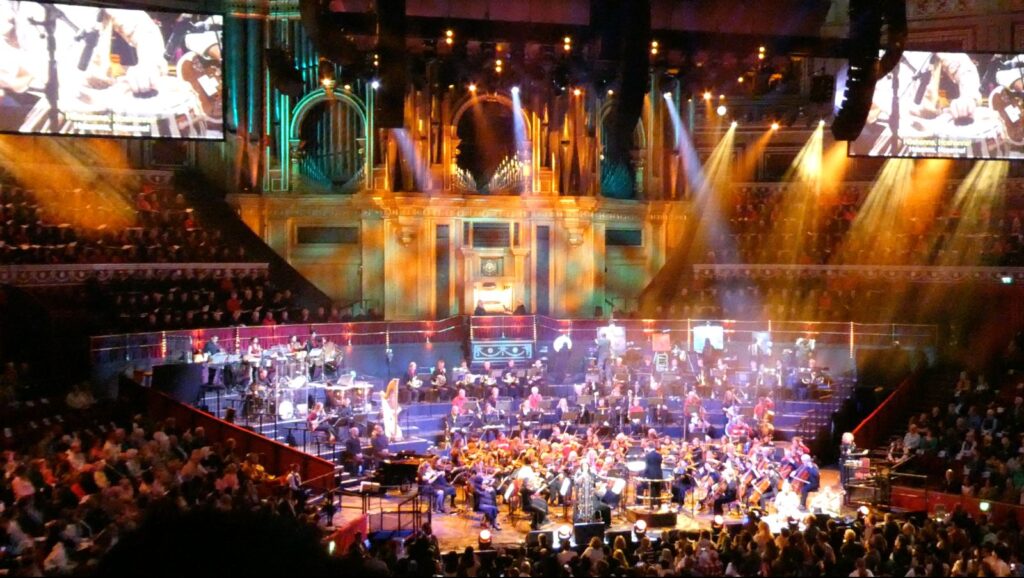
History is often written by politicians, generals, scientists, and statesmen. Yet sometimes, history is created by a voice. A voice so powerful, so unique, and so deeply rooted in its cultural heritage that it transcends borders, languages, and traditions. Such a moment unfolded recently at London’s iconic Royal Albert Hall when Pakistan’s internationally acclaimed Sufi-opera singer, Saira Peter, delivered a performance that left thousands spellbound and firmly etched her name into the annals of musical history.
For Pakistanis around the world, it was more than a musical performance. It was a moment of national pride. It was proof that talent nurtured in Karachi could rise to command one of the world’s most prestigious stages. It was a celebration of culture, identity, and artistic excellence.
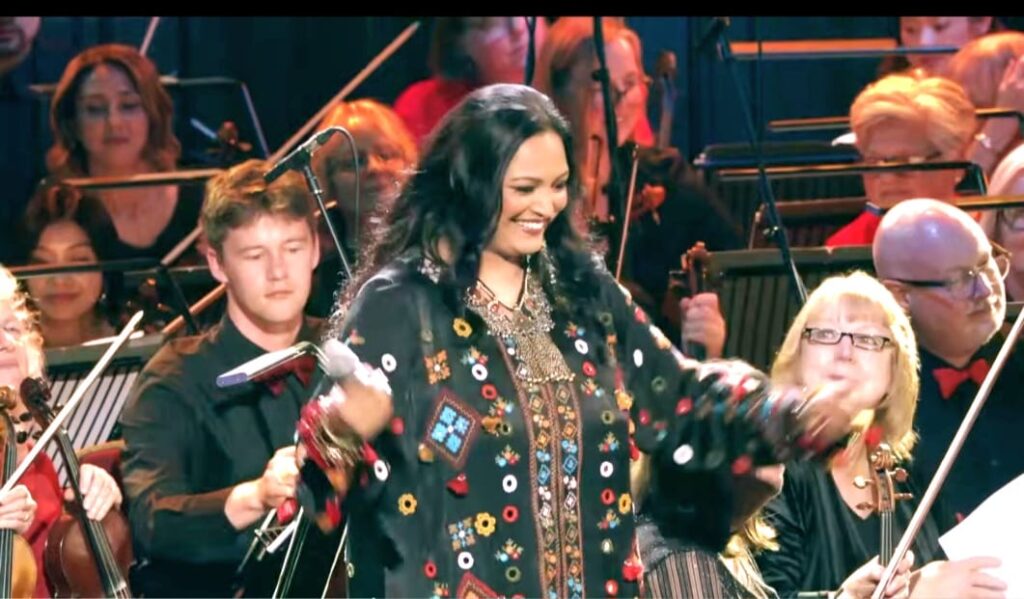
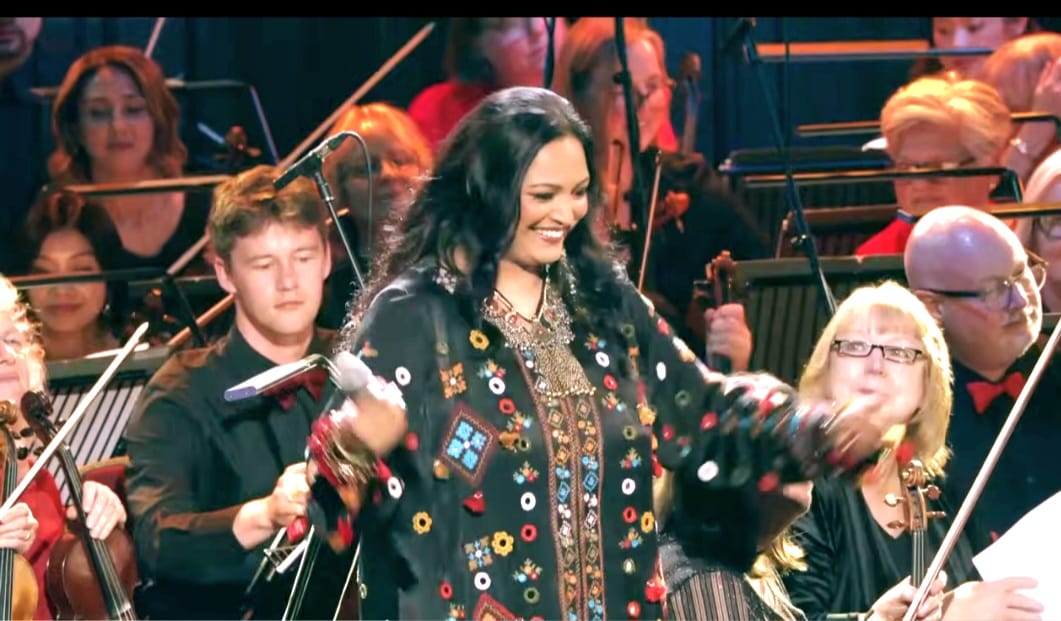
Standing before an audience of nearly 5,000 people and countless more watching through live streaming around the globe, Saira Peter did not merely sing. She represented an entire region, an entire culture, and a unique artistic vision that few have dared to explore.
The Royal Albert Hall has hosted some of the most legendary names in music history. From The Beatles and Queen to Madonna, Adele, Coldplay, Bob Dylan, and The Rolling Stones, the venue has long been considered a temple of artistic excellence. To perform there is an achievement in itself. To create history there is something altogether different.
Saira Peter achieved exactly that.
Born in Karachi, a city renowned for its diversity, resilience, and cultural richness, Saira’s journey has never been ordinary. At a time when opera remained largely unfamiliar to most Pakistanis, she chose to pursue one of the world’s most demanding musical disciplines. The path was difficult. Opera requires years of rigorous training, exceptional vocal control, and an understanding of Western classical traditions that few artists master successfully.
Yet Saira Peter was never interested in following conventional paths.
Instead, she envisioned something revolutionary: a musical language that would unite the spiritual depth of the East with the technical sophistication of the West. Her dream was to create a bridge between Pakistani Sufi traditions and Western opera.
That dream has now become a globally recognized reality.
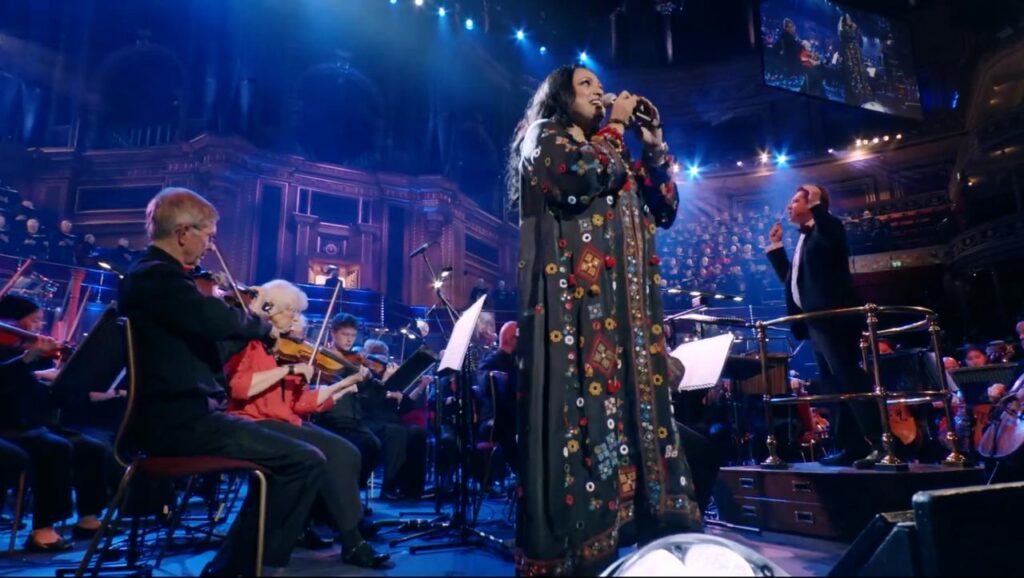
At the BBC Proms Praise event, audiences witnessed something they had never experienced before. Saira Peter’s groundbreaking Sufi-opera compositions blended Pakistani ragas, intricate taans, tabla rhythms, and sitar melodies with the grandeur of Western orchestration. The result was a musical experience unlike anything the Royal Albert Hall had previously hosted.
The significance of this achievement cannot be overstated.
Western classical music institutions have historically been dominated by European traditions. While diversity has gradually increased, very few artists have successfully integrated Asian musical traditions into the operatic world at such a sophisticated level. Saira Peter has managed to accomplish precisely that, creating a distinct genre that is unmistakably her own.
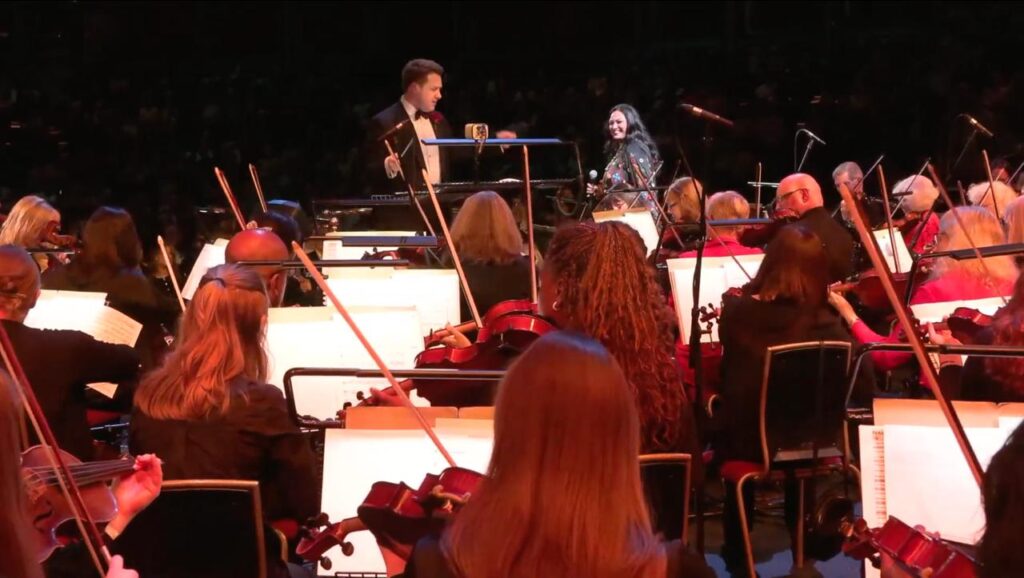
Her performance was met with widespread admiration.
Among those present was Pakistan’s High Commissioner to the United Kingdom, who openly praised her historic achievement. His remarks reflected the sentiments of millions of Pakistanis who watched with pride as one of their own captivated an international audience.
He described her as Pakistan’s first opera singer and highlighted the remarkable way she merged Eastern and Western musical traditions while expressing spiritual devotion through her art. Most importantly, he recognized the historic nature of the occasion, acknowledging that she had become the first Karachi-born Pakistani opera singer to perform at the Royal Albert Hall.
For many members of the audience, Saira Peter’s performance was their first introduction to Pakistani musical traditions. Yet music possesses a unique ability to transcend language. The emotional power of her voice, combined with the spiritual depth of her compositions, communicated directly to the hearts of listeners.
The renowned All Souls Orchestra, composed of highly experienced international musicians, faced a fascinating challenge while preparing for the concert. Saira’s compositions required them to engage with musical structures, ornamentations, and tonal movements unfamiliar to many Western classical performers. Additional rehearsals were needed to master the Pakistani nuances embedded within the music.
That challenge ultimately became one of the evening’s greatest triumphs.
Rather than merely presenting a fusion of styles, Saira created a genuine dialogue between civilizations. East met West not as competitors but as partners in artistic expression.
The result was breathtaking.
Adding further grandeur to the occasion was a 500-voice choir drawn from more than forty choirs across London. Together they formed a remarkable musical force that elevated the performance into a truly unforgettable experience.
For many choir members, this was their first collaboration with a South Asian opera artist. Any assumptions they may have held quickly disappeared as they witnessed Saira Peter’s extraordinary artistry. By the end of the evening, she had demonstrated beyond doubt that excellence in opera knows no ethnic, cultural, or geographical boundaries.
The visual presentation was equally compelling.
Artistic Director Michael Andrews introduced Saira Peter as Asia’s representative for the evening. As she walked onto the stage wearing a magnificent black Pakistani outfit intricately embroidered by village artisans, she immediately commanded attention. The dress itself symbolized another important aspect of her mission: bringing Pakistani craftsmanship, culture, and identity to the world’s most prestigious platforms.
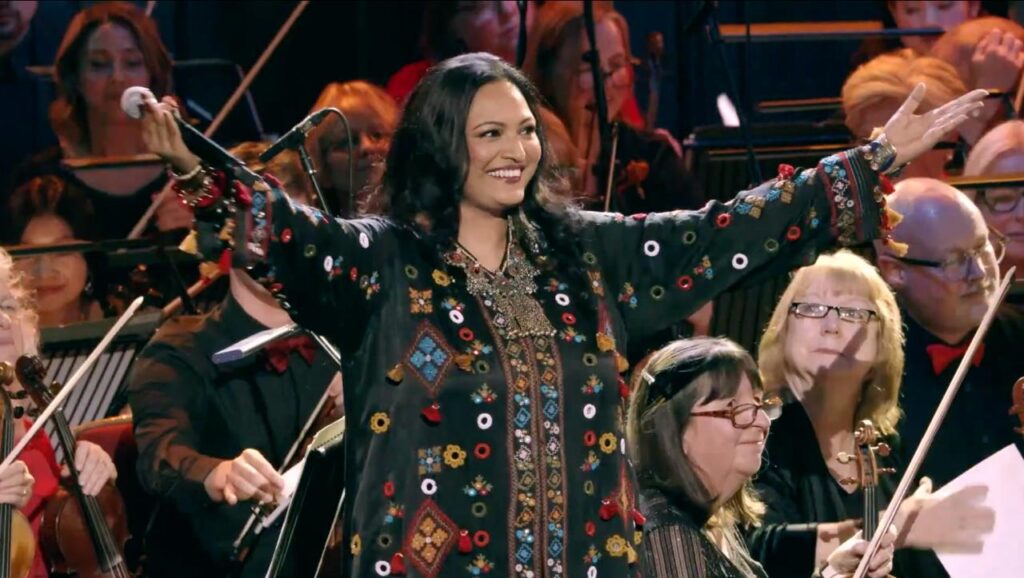
Every detail reflected authenticity.
In an era where globalization often encourages artists to dilute their cultural identities, Saira Peter has chosen the opposite path. She embraces her roots unapologetically and demonstrates that local traditions can achieve global relevance without losing their essence.
Her opening piece, “Ho-sana,” perfectly embodied this philosophy.
Combining Pakistani melodic traditions with Western symphonic arrangements, the composition showcased her ability to navigate two musical worlds simultaneously. Throughout the performance, she moved effortlessly between operatic passages and intricate Eastern vocal techniques, creating a sound that felt both innovative and timeless.
The audience responded enthusiastically.
Applause echoed through the hall after each performance, while social media platforms were flooded with messages from viewers watching around the world. Comments of admiration arrived from Europe, North America, Asia, and the Middle East.
The reaction confirmed what many already knew: Saira Peter’s appeal is genuinely global.
She performed four pieces during the concert, yet the response generated immediate calls for future appearances. Numerous organizations have reportedly expressed interest in hosting her performances, recognizing the unique value she brings to contemporary music.
Her journey, however, is far from over.
This month she travels to the United States for charity concerts and important meetings before returning to Britain, where she is scheduled to be honored at a prestigious summit at Windsor Castle. Such recognition reflects not only her artistic achievements but also her growing role as a cultural ambassador.
For Pakistan, Saira Peter’s success carries profound significance.
The country is often portrayed internationally through the lens of politics, security concerns, or economic challenges. Artists like Saira Peter help present a different narrative—one centered on creativity, innovation, talent, and cultural richness.
She demonstrates that Pakistan possesses extraordinary artistic resources capable of competing at the highest international levels.
More importantly, she serves as an inspiration for young Pakistanis, particularly women, who aspire to pursue unconventional dreams. Her career proves that limitations are often self-imposed and that determination, discipline, and vision can overcome even the most daunting obstacles.
As the final notes faded inside Royal Albert Hall, those present understood they had witnessed something special.
They had not simply attended a concert.
They had witnessed the emergence of a cultural milestone.
From the bustling streets of Karachi to one of the world’s most celebrated stages, Saira Peter has carried the spirit of Pakistan with dignity, elegance, and extraordinary talent. She has expanded the boundaries of opera, introduced global audiences to the beauty of Pakistani musical traditions, and created a legacy that will inspire future generations.
History will remember many performances at Royal Albert Hall.
But for Pakistanis around the world, this particular evening will always stand apart.
Because on that historic night, a girl from Karachi stood before the world and proved that great art knows no borders.
And what an unforgettable impression she left behind.