By Irfan Siddiqui
ISLAMABAD — Deputy Chairman Senate Syedal Khan Nasir has called for wider access to quality education and practical training for young Pakistanis, saying a skilled workforce is essential to economic stability and long-term growth. In separate engagements reported by the Senate Secretariat, he also urged reforms to improve the business environment and called for mineral development in Khyber Pakhtunkhwa and Balochistan to create jobs and bring economic benefits to local communities.
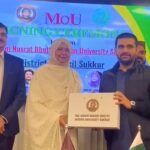
Speaking as he presented Alhamd Islamic University’s first degree to Rubab Tabassum, Nasir said universities could help prepare young people for employment and equip them to contribute to the country’s development. He congratulated Tabassum on her academic achievement and extended his best wishes for her future. He also congratulated the university’s president, Professor Dr Shakeel Roshan, along with the administration, faculty and staff, on reaching the academic milestone.
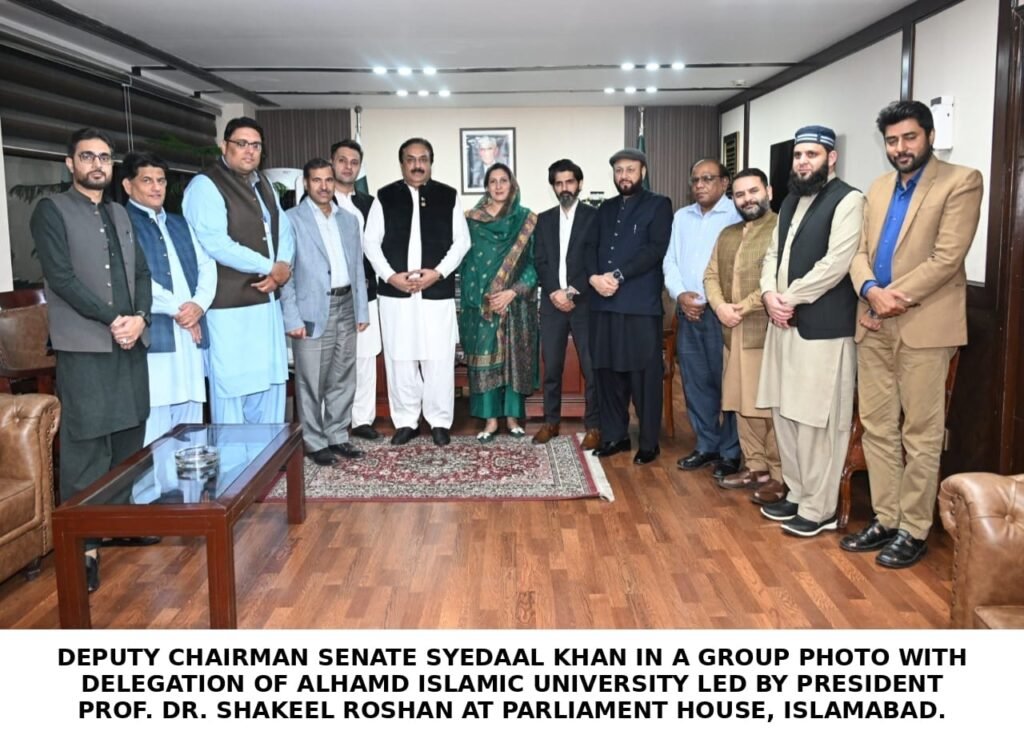
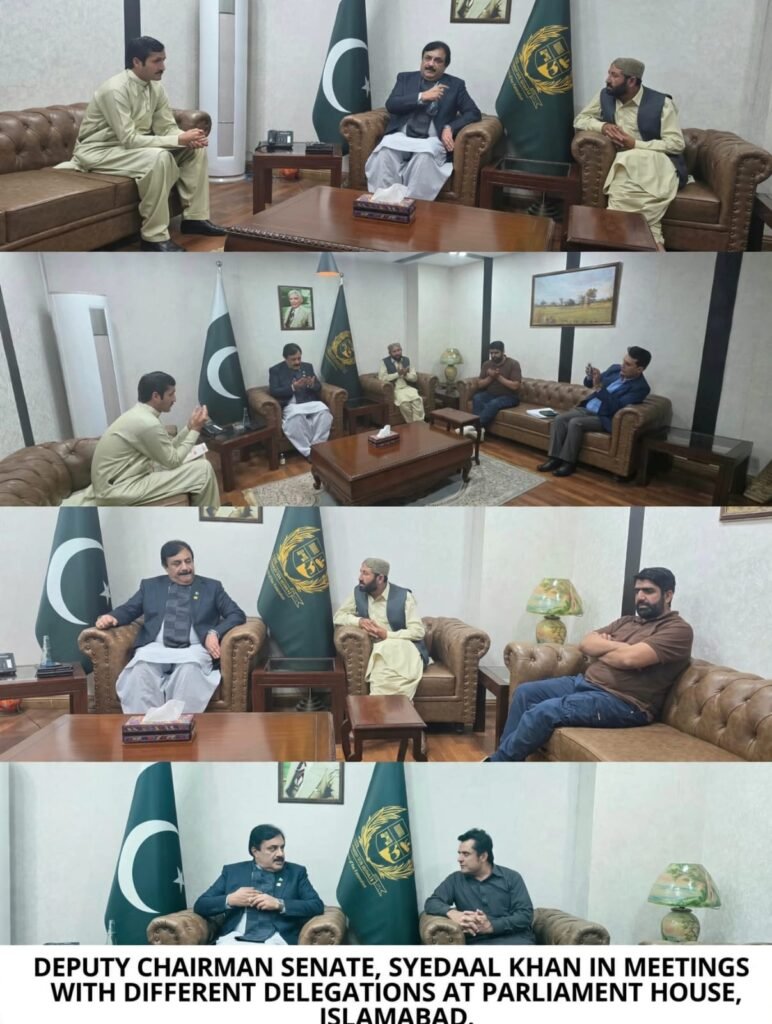
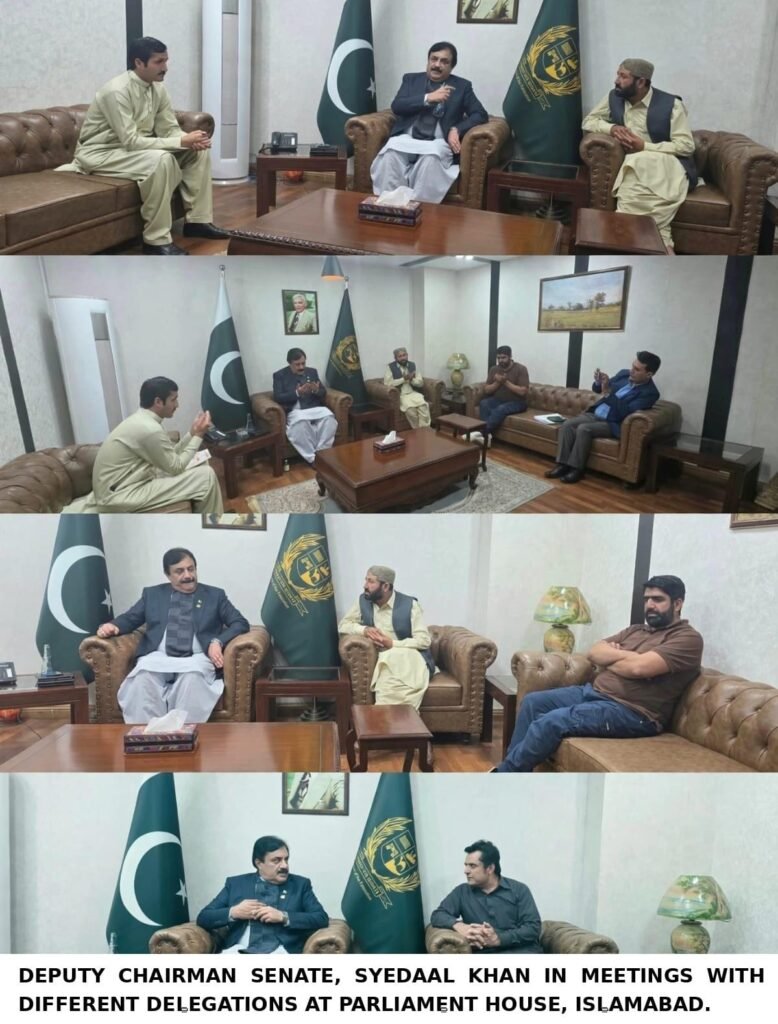
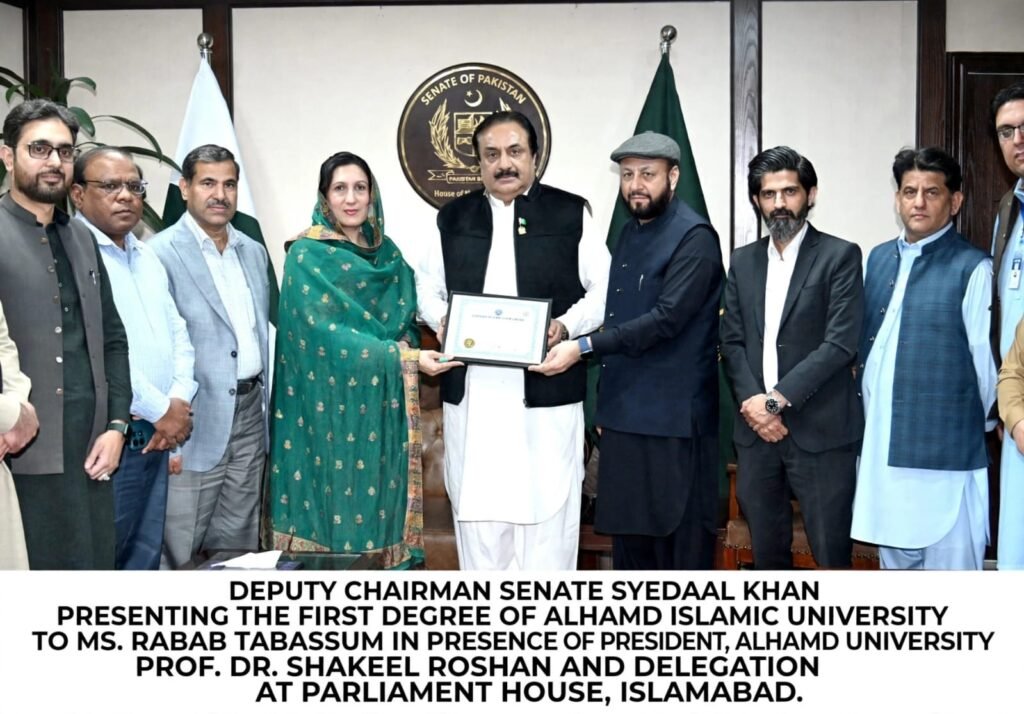
Nasir said Pakistan’s young people had the talent and creativity to compete at home and abroad and should have greater access to modern knowledge and practical training. He urged public and private educational institutions to work together to widen access to education and improve literacy. Young people, he said, should have equal opportunities to develop their abilities and put them to use. He also called for cooperation across political lines on education policy and said initiatives by both public and private institutions deserved continued encouragement.
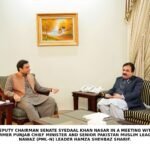
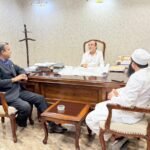
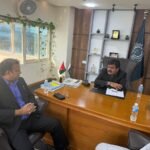
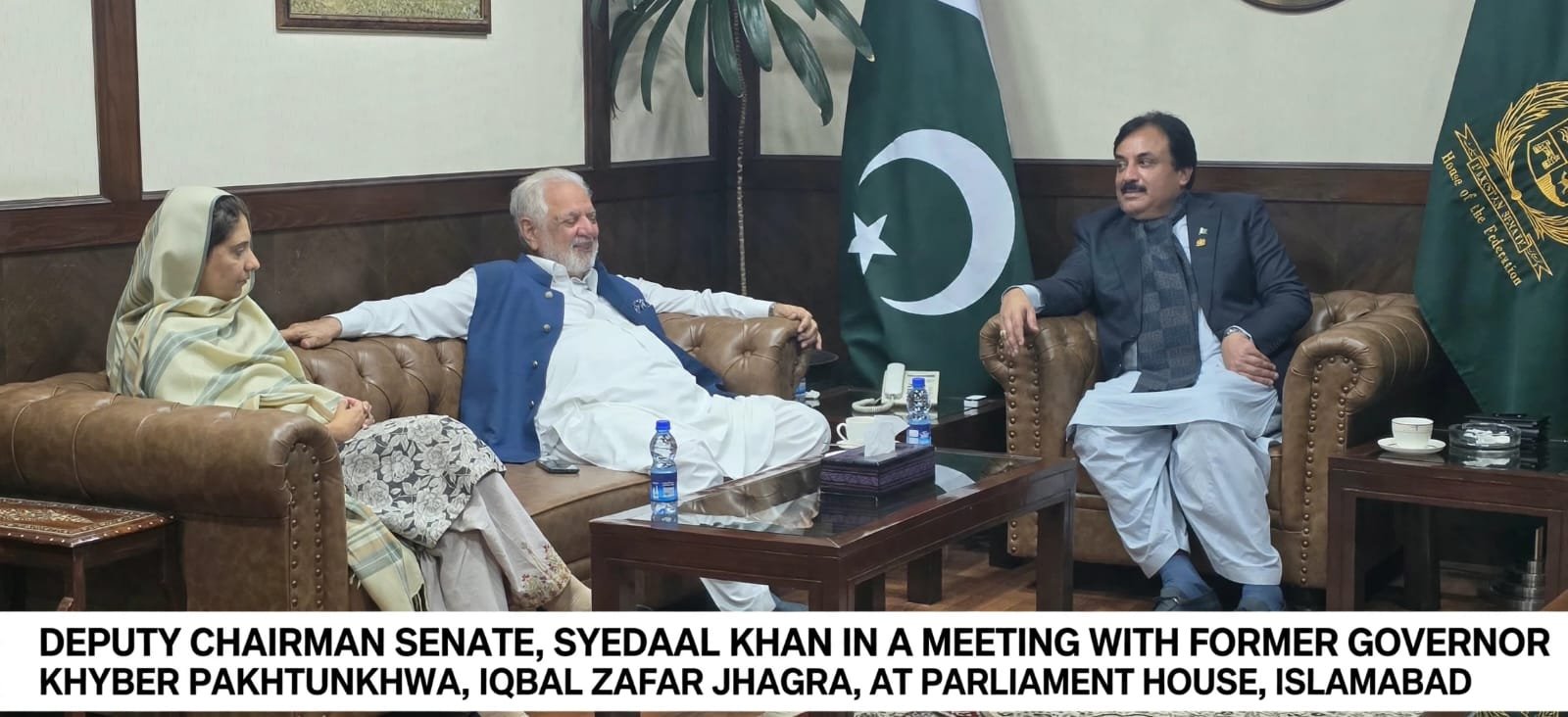
At a meeting at Parliament House on November 4, Nasir discussed the country’s political, economic and parliamentary situation with Senator Aamir Waliuddin Chishti, chairman of the Senate Standing Committee on National Health Services, and former Khyber Pakhtunkhwa governor Iqbal Zafar Jhagra. Former senator Sana Jamali, Chaudhry Naeem Karim, Ms Shandana, Dr Irshad Ahmed Khan and Dr Muhammad Ajami also attended, along with parliamentarians, tribal elders, lawyers and representatives of social organisations.
The discussion covered government reforms, investment, industrial activity, trade and public welfare. Nasir described economic stability and sustainable growth as government priorities. He said coordination between the political and military leadership was part of efforts to address the country’s challenges and create opportunities for growth. He also stressed the importance of political stability, national unity and continuity in economic reforms.
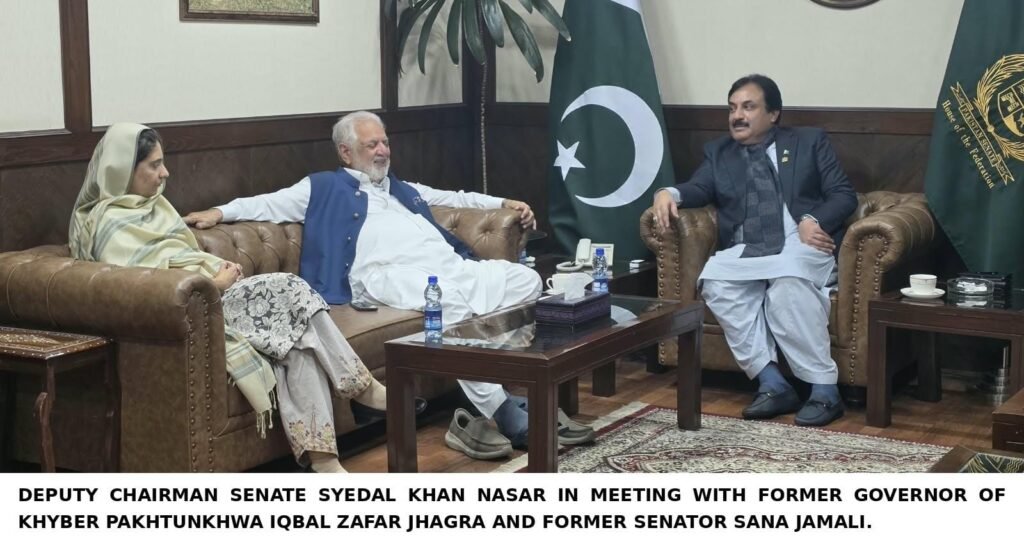
On investment, Nasir said Pakistan needed to improve conditions for businesses, build investor confidence and expand industrial capacity. He pointed to opportunities for both domestic and foreign investors, saying increased investment could help generate employment and raise exports. He identified education, health, infrastructure, energy and workforce development as government priorities and said training young people in practical skills could help raise productivity as industrial and commercial activity expanded.
Nasir singled out Khyber Pakhtunkhwa and Balochistan for their mineral deposits, saying their development should be guided by scientific research, modern technology, effective planning and transparent procedures. He said discovering new deposits and processing minerals locally could create jobs and support industrial growth in the areas where the resources are found. He stressed that communities in underserved areas should share in the economic gains from projects that draw on their resources.
The deputy chairman also discussed Parliament’s constitutional role in making laws, shaping national policy and overseeing government action. He urged parliamentarians to bring public concerns into policy discussions and consider the wider national interest in their work. Better communication among political leaders and parliamentary institutions, he said, could help address national problems and strengthen democratic stability.
At the degree presentation, Nasir said the government was pursuing reforms to improve the education system and increase literacy. He urged public and private institutions to coordinate their efforts so that students could progress according to their abilities. He said political differences should give way to a shared approach on education and called for practical steps to give more young people access to quality teaching and training.
Turning to regional affairs at the Parliament House meeting, Nasir said Pakistan favoured dialogue, mutual respect and economic cooperation. He described regional peace and stability as important to the expansion of trade and investment, saying both could support broader economic growth. He called on national institutions, political leaders, parliamentarians, the business community and civil society to work together to sustain economic reforms and improve public welfare.