Report by Irfan Siddiqui
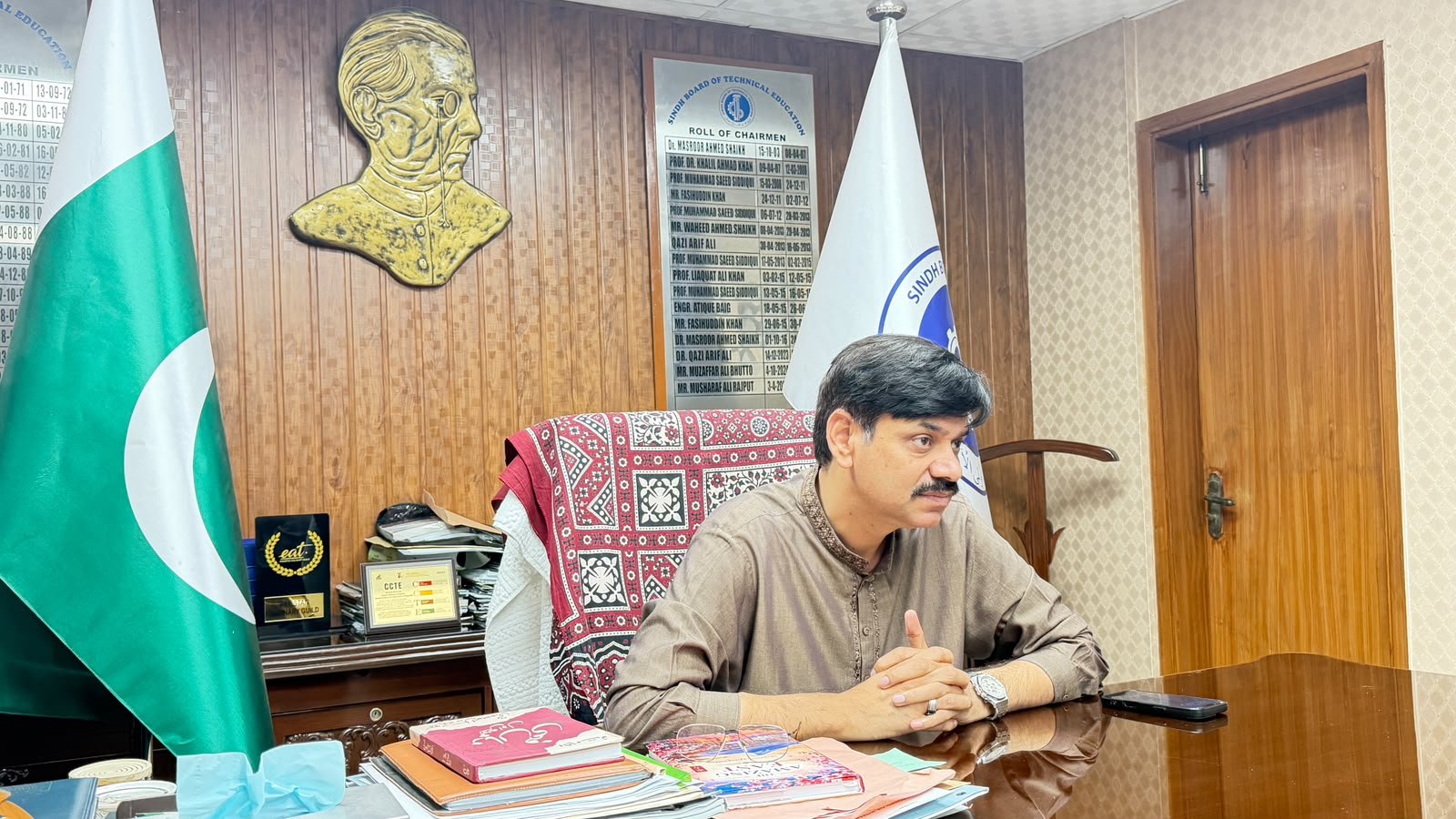
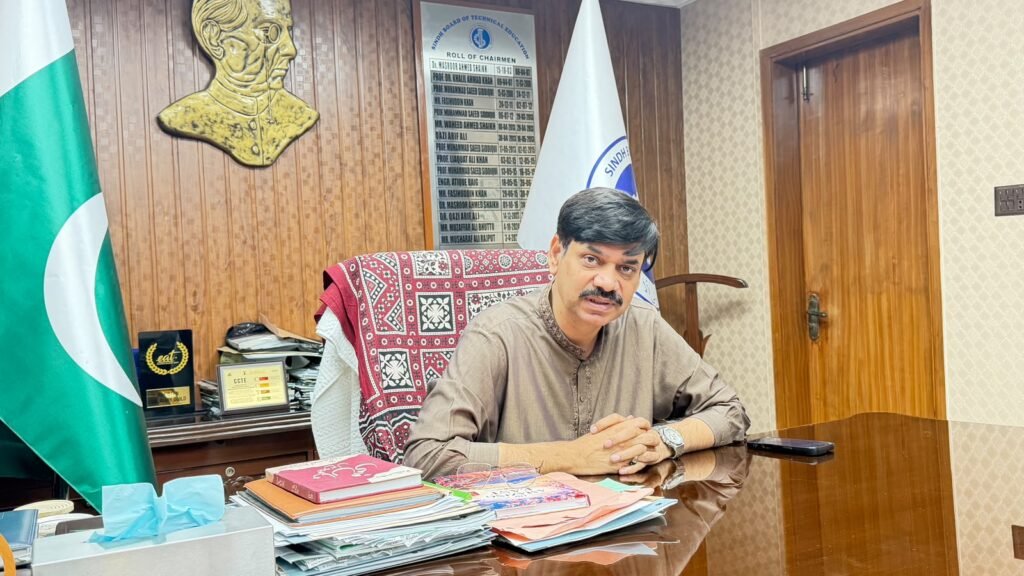
KARACHI: The Sindh Board of Technical Education (SBTE), led by Chairman Professor Musharaf Ali Rajput, is pursuing student facilitation, institutional cooperation and updated academic offerings, with official records highlighting several initiatives undertaken during 2026.
A notable development was the inauguration of the board’s Student Facilitation Center on April 30. The ceremony, held under Rajput’s chairmanship, was attended by Sindh Minister Muhammad Ismail Rahoo, education representatives and board officials. The centre represents a practical step towards giving students a dedicated point of contact for administrative assistance.
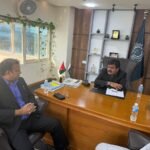
Rajput has also maintained engagement with organisations involved in skills development. On May 5, he met Sindh Technical Education and Vocational Training Authority Managing Director Ghulam Murtaza Shaikh to discuss technical education and cooperation aimed at strengthening the province’s vocational training sector.
The board subsequently recorded a memorandum of understanding signing ceremony with the Benazir Bano Training Programme on May 20. In August, Rajput met TANG Group Chief Executive Officer Song Jingying, adding an international engagement to the board’s institutional outreach.
Academic updates provide another encouraging indication of the board’s direction. Its October notices included curricula for artificial intelligence technology, cybersecurity, media science, and leadership and education management. These subjects reflect attention to emerging technologies alongside established technical and professional disciplines.
Examination oversight has also featured in Rajput’s activities. The board documented his April visit to a centre conducting Technical School Certificate examinations, demonstrating direct engagement with an important part of its responsibilities.
Taken together, these documented activities indicate a constructive focus on student services, academic relevance and institutional cooperation. They offer a positive foundation for the board’s continuing work to organise, regulate and develop technical, vocational, industrial and commercial education across Sindh, while supporting pathways through which young people can acquire recognised qualifications and practical skills.