Report by Irfan Siddiqi
In an era when politics is often driven by confrontation and headlines, Senator Syedaal Khan Nasar has earned recognition through a quieter but equally significant approach to public service. As Deputy Chairman of the Senate of Pakistan, he has focused on strengthening parliamentary traditions, ensuring the smooth functioning of the Upper House, and promoting a culture of dialogue and constitutional responsibility.
Representing Balochistan, Syedaal Khan Nasar has consistently highlighted the importance of giving smaller provinces a stronger voice in the federation. His political journey reflects a commitment to democratic institutions and to the principle that national unity can only be strengthened when every province feels equally represented in the country’s decision making.
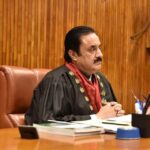
Since assuming the office of Deputy Chairman, he has presided over Senate proceedings with patience, dignity, and respect for parliamentary rules. At a time when political polarization has frequently disrupted legislative business, his calm handling of Senate sessions has helped maintain order and ensure that parliamentary work continues without unnecessary interruption.
His role has also been important in facilitating the legislative process. During his tenure, the Senate has debated and processed a range of government bills and public policy measures aimed at improving governance and strengthening national institutions. While legislation is the collective responsibility of Parliament, the Deputy Chairman plays a vital constitutional role in ensuring that the legislative process remains orderly, transparent, and effective.
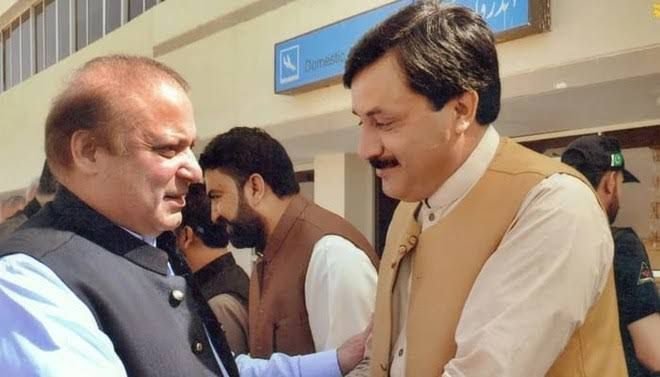
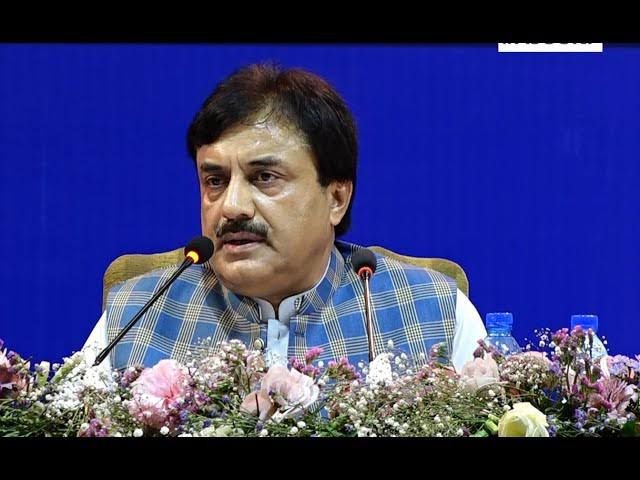
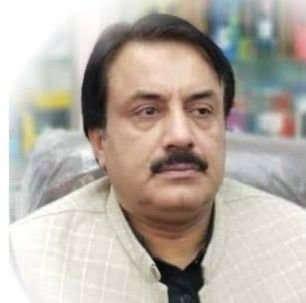

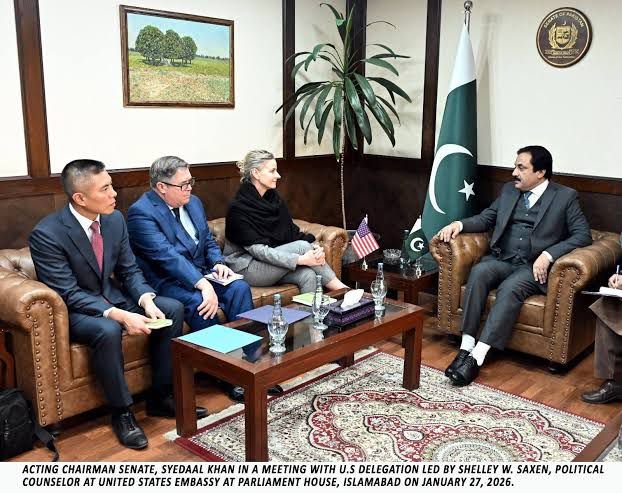
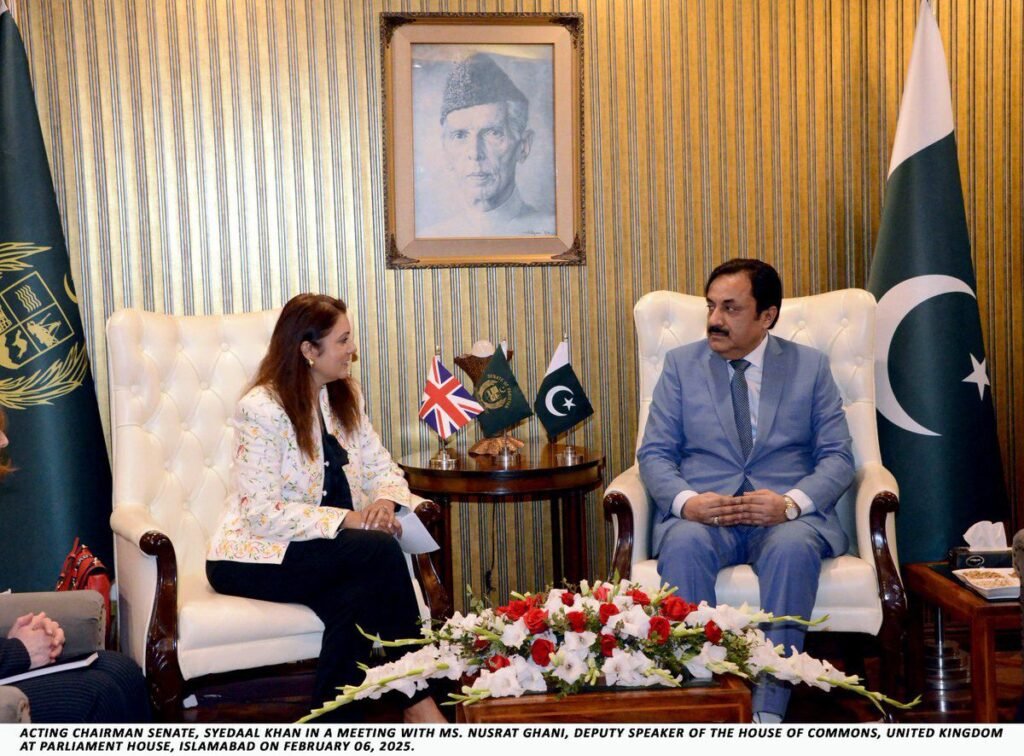
Whenever he has served as Acting Chairman of the Senate, Syedaal Khan Nasar has discharged his constitutional responsibilities with confidence and impartiality. His conduct has reflected respect for parliamentary traditions and reinforced public confidence in the continuity of democratic institutions.
Beyond Parliament, he has maintained close contact with people from Balochistan and other parts of the country. Citizens frequently seek his support on matters related to education, infrastructure, employment, healthcare, and public welfare. His willingness to engage with government departments and follow up on public issues has strengthened his image as an accessible and responsive public representative.
Another notable aspect of his leadership has been his emphasis on consensus over confrontation. In today’s political environment, where disagreements often dominate public discourse, his preference for dialogue and institutional solutions reflects a mature understanding of democratic governance. His parliamentary conduct has demonstrated that strong institutions are built through patience, respect, and adherence to constitutional principles.


Every public office holder is naturally subject to political criticism, and Syedaal Khan Nasar is no exception. Yet his supporters view his tenure as one marked by stability, responsibility, and sincere public service. They believe his focus has remained on strengthening Parliament rather than pursuing personal publicity.
Pakistan’s democratic future depends not only on visionary leaders but also on capable parliamentary managers who ensure that constitutional institutions function effectively. Through his measured leadership, commitment to parliamentary procedure, and continued engagement with public issues, Syedaal Khan Nasar has established himself as one of the steady voices in Pakistan’s Upper House.
In a political landscape often dominated by noise, his style of leadership offers a reminder that lasting public service is built on responsibility, integrity, and dedication to democratic institutions. That, perhaps, is the true measure of leadership.