By. IRFAN SIDDIQUI
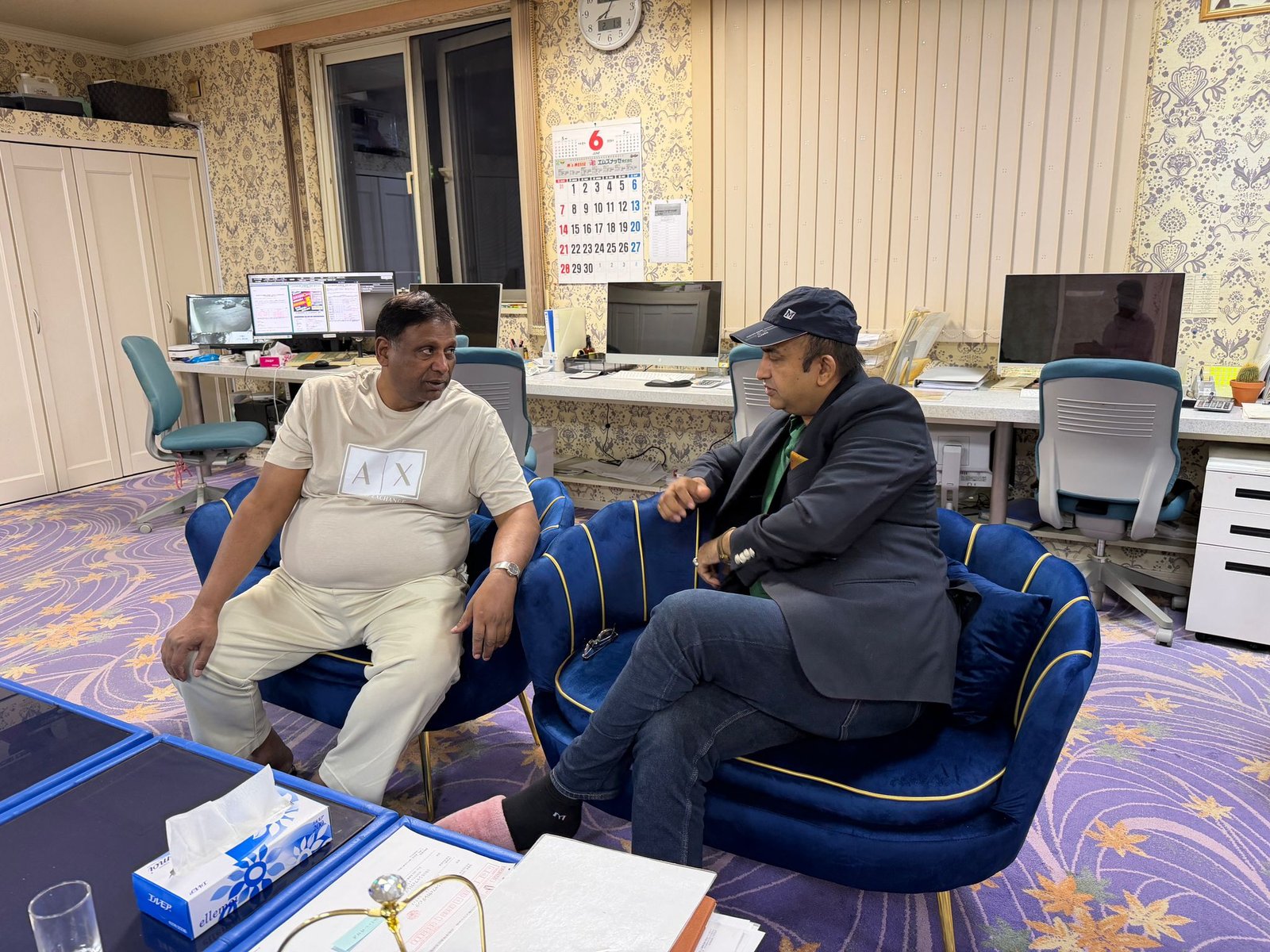
Muhammad Shafiq, a prominent Pakistani businessman with business interests in Japan and Romania, believes that the global labor market is undergoing a significant transformation and that Romania is increasingly becoming an attractive destination for workers from developing countries.
Speaking about changing employment trends, Shafiq said that a large segment of the labor force currently working in the Gulf region, particularly in the United Arab Emirates, may gradually shift toward Romania and other European countries in the coming years. According to him, higher wages, legal protections, and the opportunity to gain European residency are among the key factors attracting foreign workers.

He explained that an ordinary laborer in Romania can earn around 1,000 euros per month, which is equivalent to approximately 350,000 Pakistani rupees. In many cases, employers also provide accommodation and meals, allowing workers to save a substantial portion of their income. These benefits make Romania a highly competitive destination compared to traditional labor markets.
Muhammad Shafiq further noted that obtaining a Romanian residence card opens doors to broader opportunities across Europe. Legal residents enjoy the convenience of traveling within European countries and benefit from greater social and economic stability. As a result, workers from South Asia, Africa, and other developing regions are increasingly viewing Romania as a gateway to a better future.
While acknowledging the important role that Dubai and other Gulf states have played in providing employment opportunities for millions of expatriate workers, Shafiq pointed out that labor preferences are evolving. Factors such as long-term residency prospects, legal security, and improved working conditions are becoming increasingly important in workers’ decision-making processes. He believes that these advantages will continue to strengthen Romania’s appeal in the international labor market.

Beyond discussing global migration trends, Muhammad Shafiq also expressed optimism about Pakistan’s future. He stated that Pakistan possesses enormous human and economic potential and can achieve remarkable progress if sincere leadership and effective policies are implemented. According to him, sustainable economic growth, industrial development, and increased investment can create employment opportunities that reduce the need for Pakistanis to seek work abroad through legal or illegal channels.
Shafiq emphasized that Pakistani youth are talented, hardworking, and capable of competing successfully on the international stage. He argued that if similar opportunities are created within Pakistan, the country can retain its skilled workforce and accelerate its own development.
Observers note that overseas Pakistani entrepreneurs such as Muhammad Shafiq play an important role in highlighting emerging global opportunities while maintaining a strong commitment to Pakistan’s progress. Through his insights into international labor markets and his optimistic vision for Pakistan, Shafiq continues to contribute to discussions on economic development, workforce mobility, and the future of global employment.

As labor migration patterns continue to evolve, Romania appears poised to become one of Europe’s most attractive destinations for foreign workers, offering a combination of competitive earnings, legal security, and access to wider opportunities across the continent.