Written by Tariq Siddiqui
A Commitment Worth Recognising
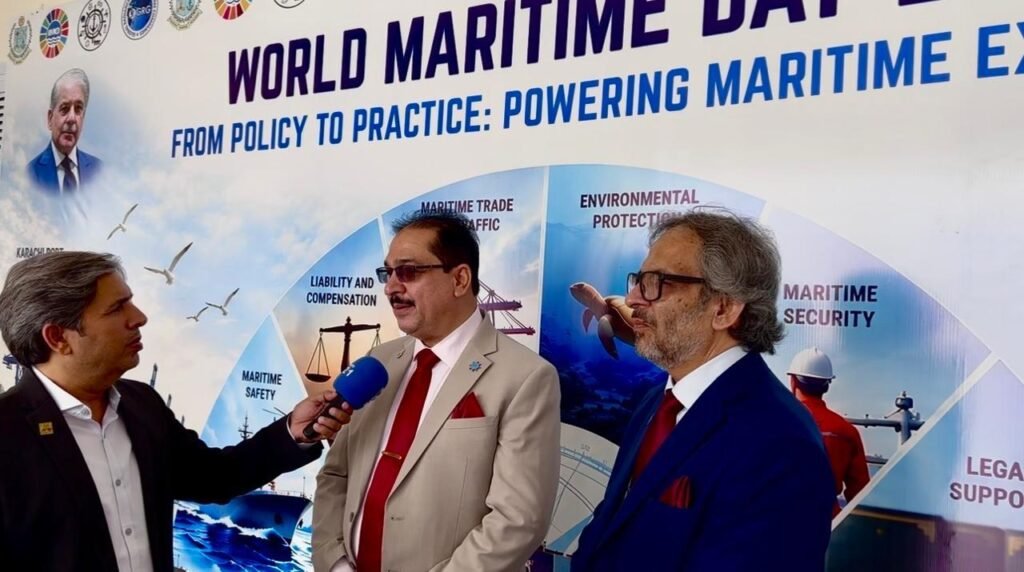
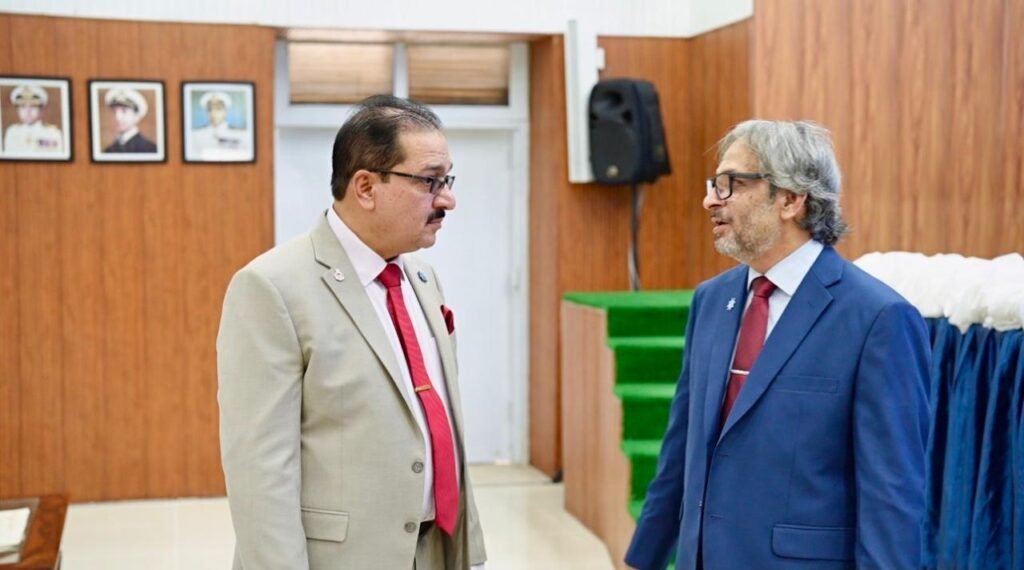
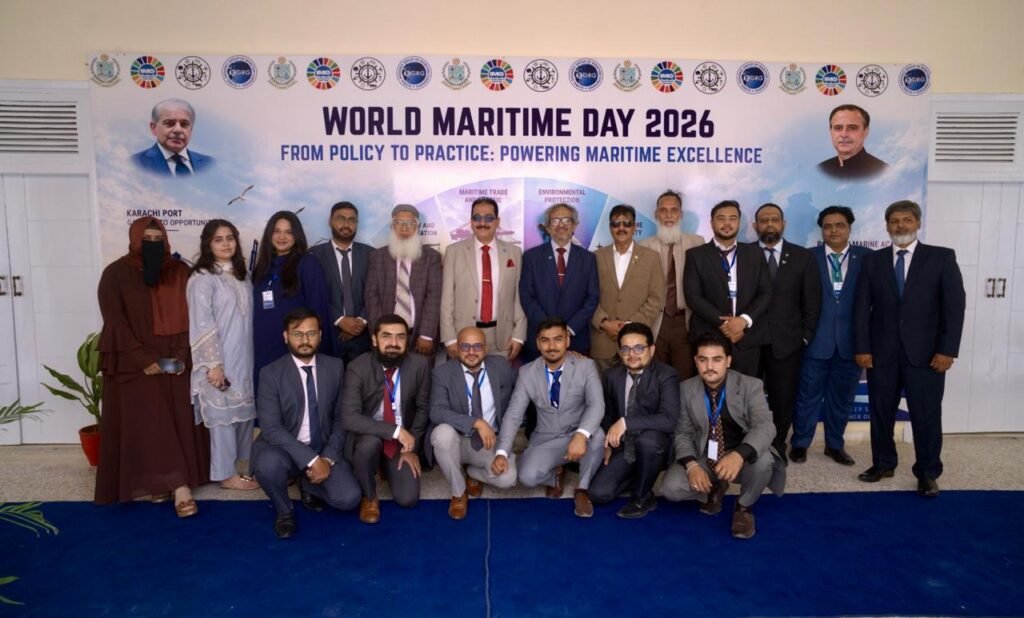
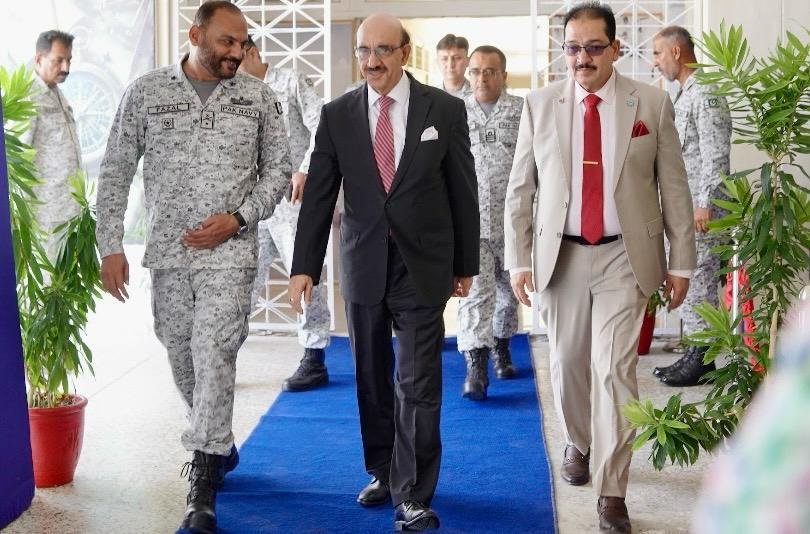
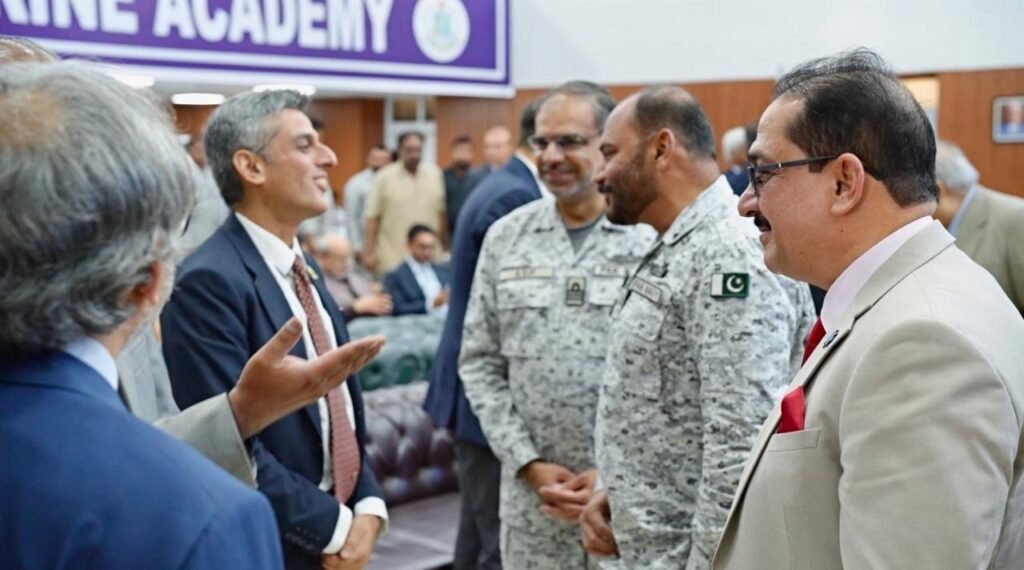
For a country with considerable maritime potential, bringing the right people together is a meaningful step towards progress. Abdul Lateef Siddiqui, Chairman and Managing Director of Global Radiance Group (GRG), deserves appreciation for supporting such an opportunity at the Pakistan Marine Academy in Karachi. Through GRG’s sponsorship of World Maritime Day 2026, experienced seafarers, regulators, industry leaders and students gathered to consider a shared question: what will it take to build a stronger maritime future for Pakistan?
More Than a Ceremonial Occasion
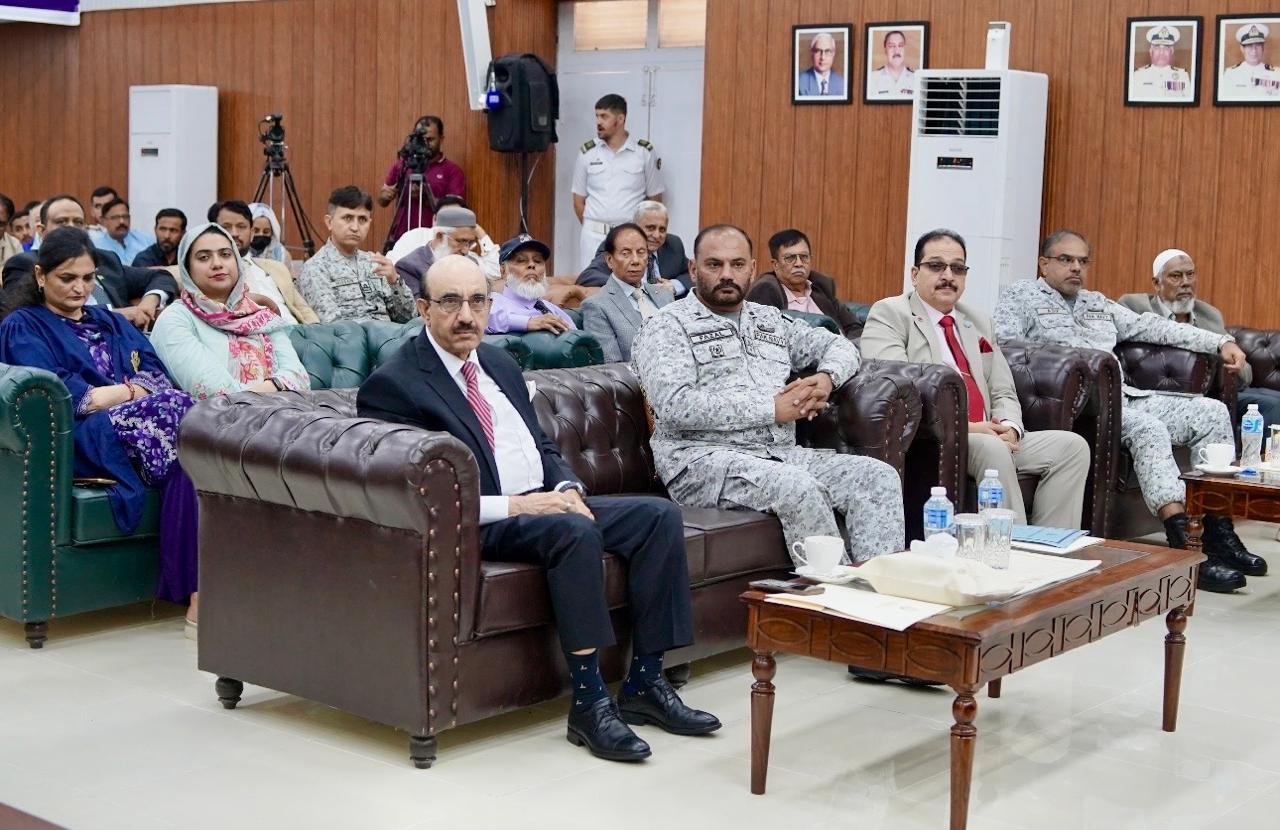
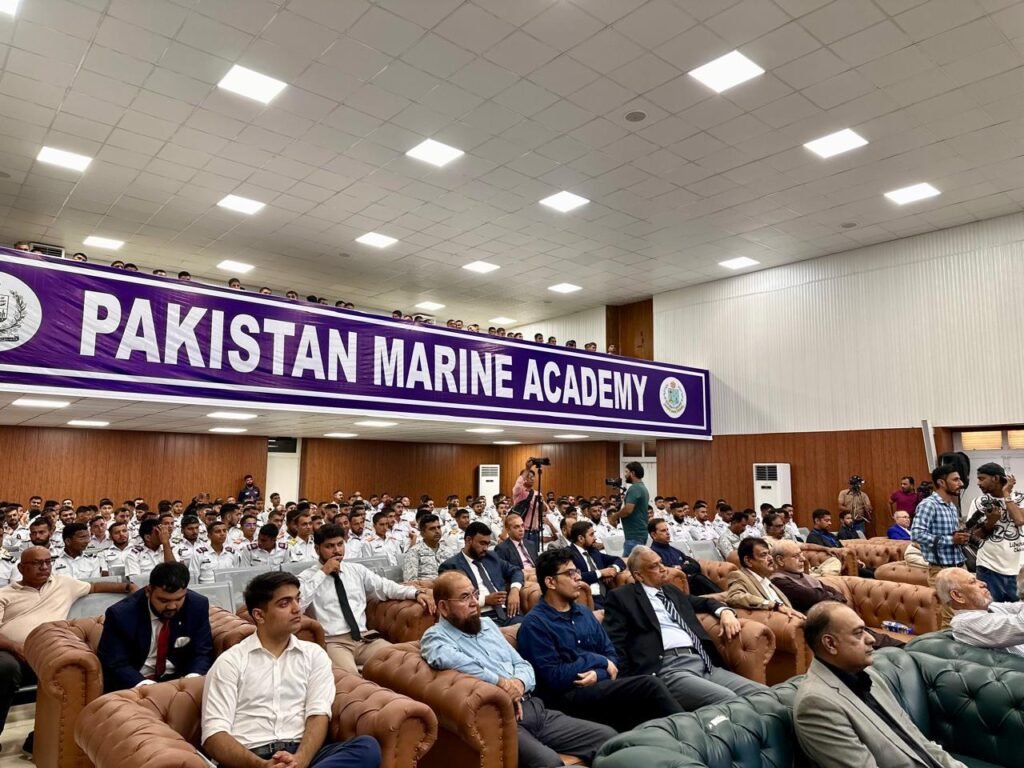
Held on Thursday, 24 September 2026, the programme gave Pakistan’s maritime community an opportunity to discuss the sector’s practical needs. Government representatives, academics and shipping professionals joined students preparing for their careers. Their presence gave the occasion a sense of continuity. Those who had spent decades at sea or within maritime institutions shared a platform with young people who will eventually carry those responsibilities forward.
Making Policy Work in Everyday Life
The International Maritime Organization’s (IMO) theme for 2026–2027, “From Policy to Practice: Powering Maritime Excellence,” provided the direction for the discussions. Its meaning is straightforward: a policy succeeds when it improves the way people work. In shipping, that means clearer responsibilities, safer operations, capable institutions and professionals who understand the standards expected of them. For Pakistan, the theme raised an essential question about how good intentions can become consistent results.
An Academy with a Purpose
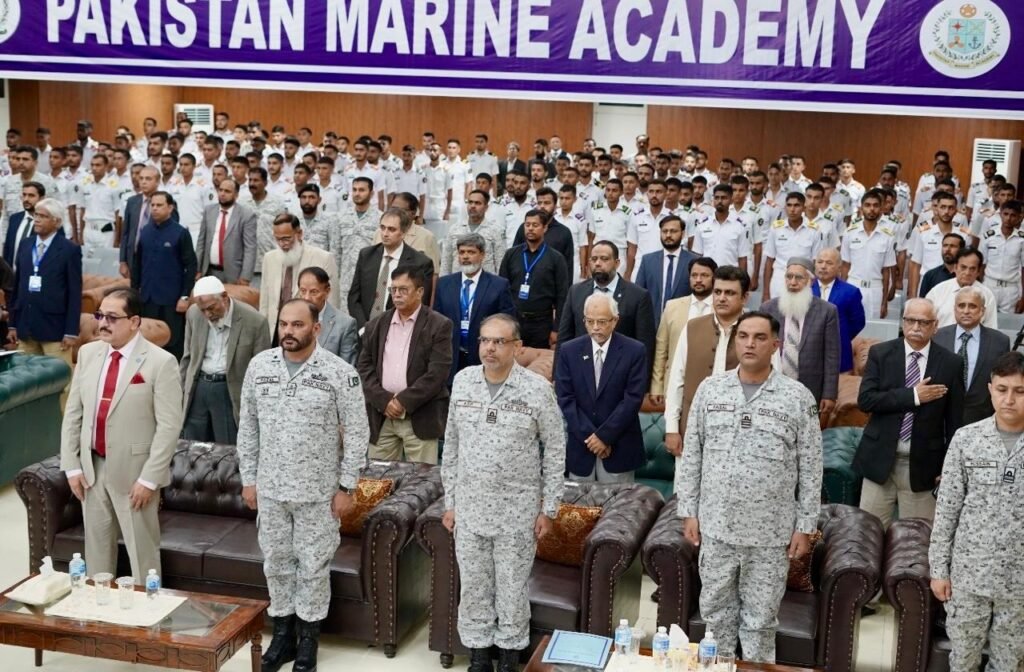
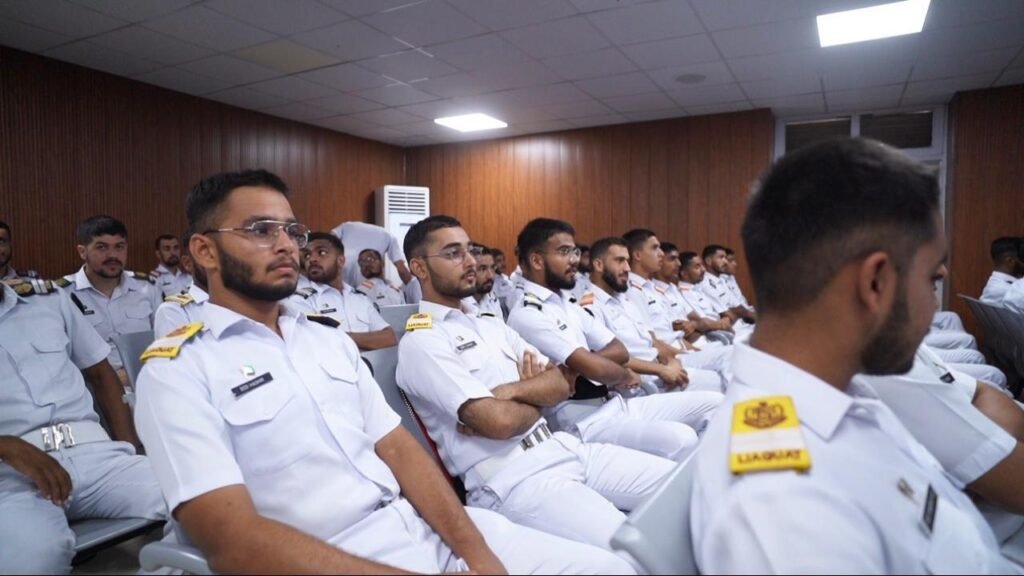
The proceedings opened with the recitation of the Holy Quran, followed by the National Anthem and a welcome address by Commander Muhammad Asif Farooq PN, Deputy Commandant of the Pakistan Marine Academy. The setting mattered. An academy prepares students for careers in which judgement, discipline and responsibility have consequences. Hosting this conversation where future maritime professionals are trained brought the discussion closer to the people who will help put its lessons into practice.
Leadership through Participation
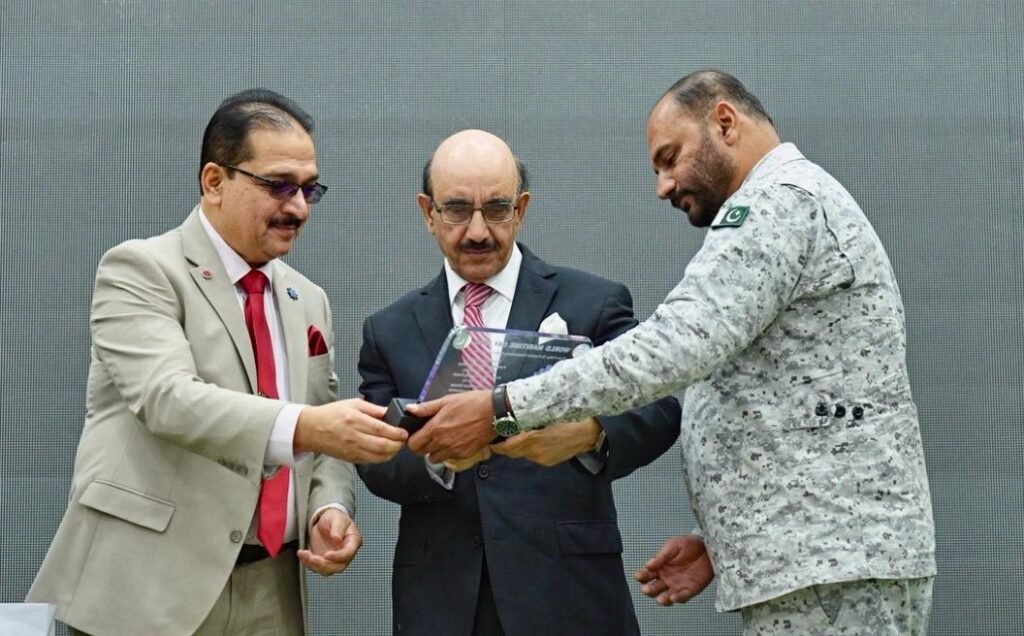
In his keynote address, Abdul Lateef Siddiqui spoke about the importance of Pakistan’s maritime sector and the role industry stakeholders can play in strengthening its international position. His contribution was valuable because private businesses have direct experience of the demands of global shipping. The GRG chairman’s support for the programme reflected a constructive commitment to sharing that experience. Such participation can help connect education and regulation with the realities professionals encounter at work.
A Connection with the Wider World
An official video message from IMO Secretary-General Arsenio Dominguez placed the gathering within the international maritime conversation. Ships move between countries, but their safe operation depends on shared expectations and dependable standards. Pakistan’s institutions and professionals are part of that larger system. The message reinforced the importance of taking international commitments seriously and making them workable within national organisations, training programmes and commercial operations.
Experience Speaking to Experience
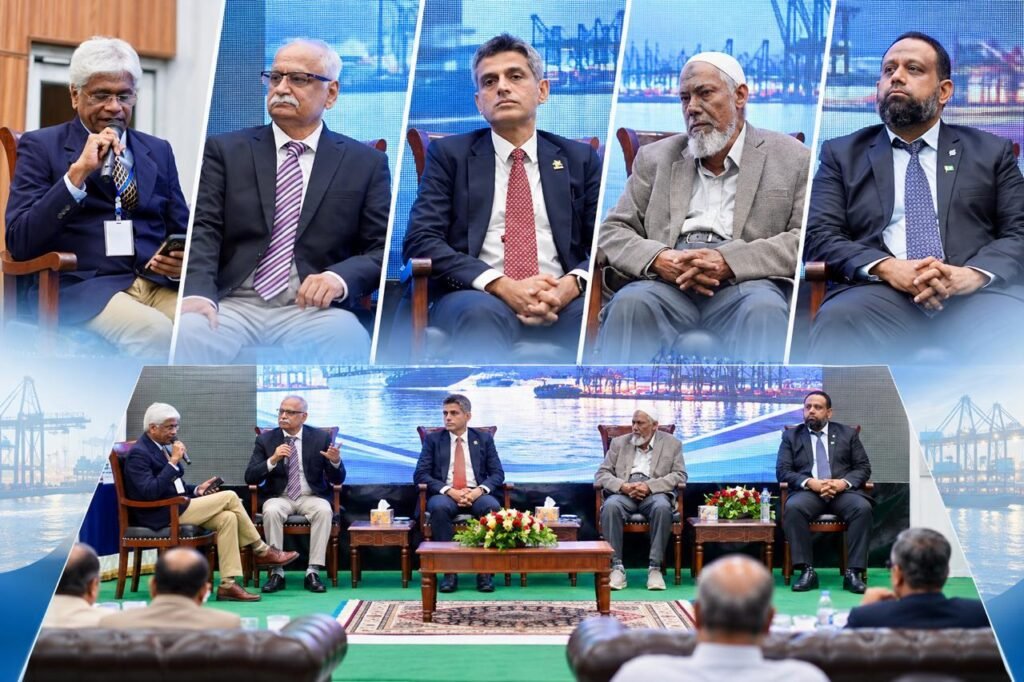
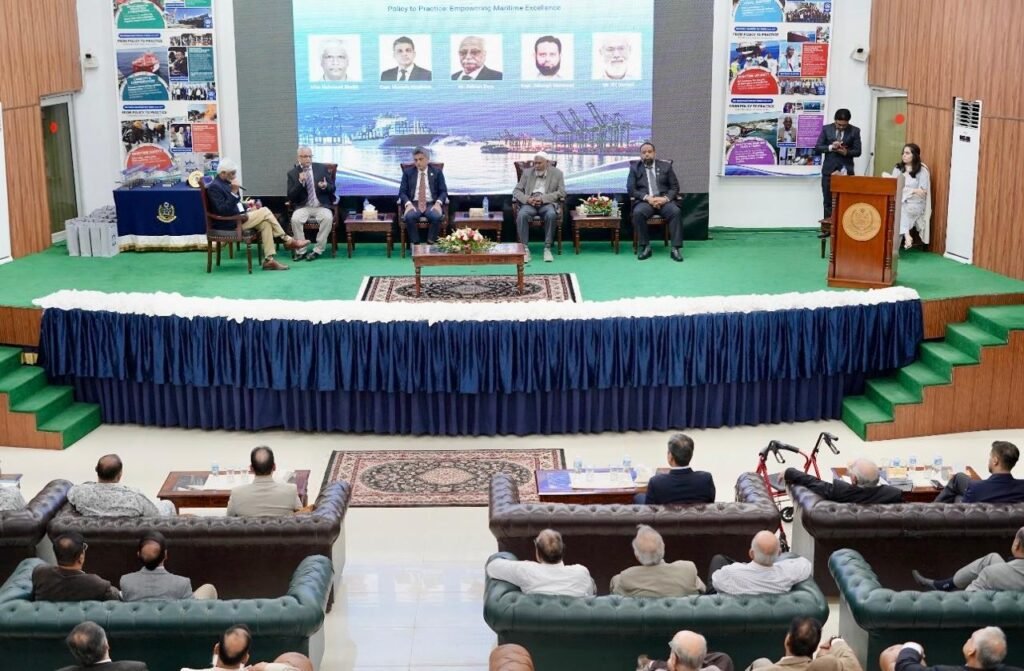
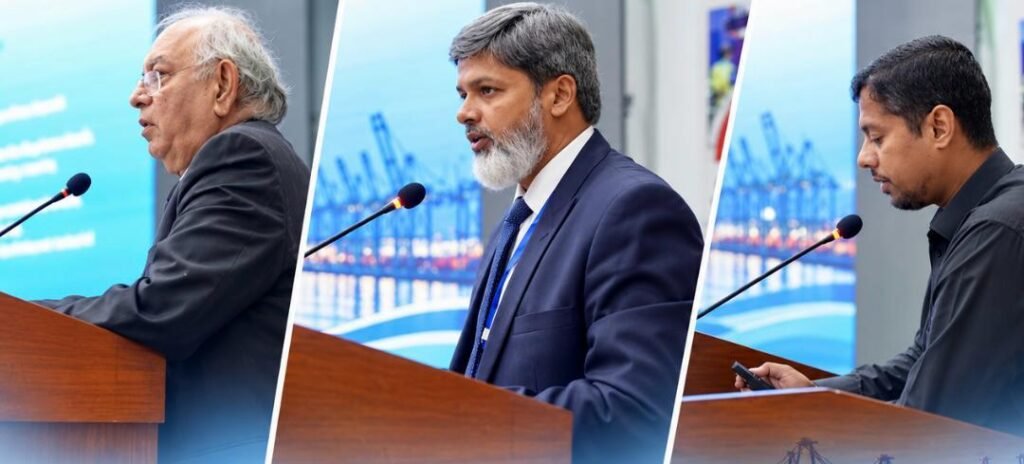
The panel discussion was moderated by Irfan Mehmood Sheikh, whose career spans more than 36 years. A former General Manager of Ship Management at the Pakistan National Shipping Corporation (PNSC), he now serves as Group Technical Head at GRG. Panellists included Salman Raza, former Principal Officer and Registrar of Seagoing Vessels at the Mercantile Marine Department, and Captain Jahangir Mehmood Sheikh, whose 30 years at sea included 15 years commanding Suezmax and Panamax tankers.
Bringing Different Perspectives Together
Rashid Yahya Usmani brought more than five decades of maritime experience, including 16 years leading the Enviro-Maritime Capacity Building Institute and contributions to education at the academy. Captain Mustafa Kizilbash, Executive Director (Commercial) at PNSC, contributed over 24 years of industry experience. Together, the panellists examined enforcement, institutional capacity, professional competence and coordination. Their varied backgrounds helped connect the requirements of regulation with the practical concerns of education and commercial shipping.
Caring for the Sea and Its Responsibilities
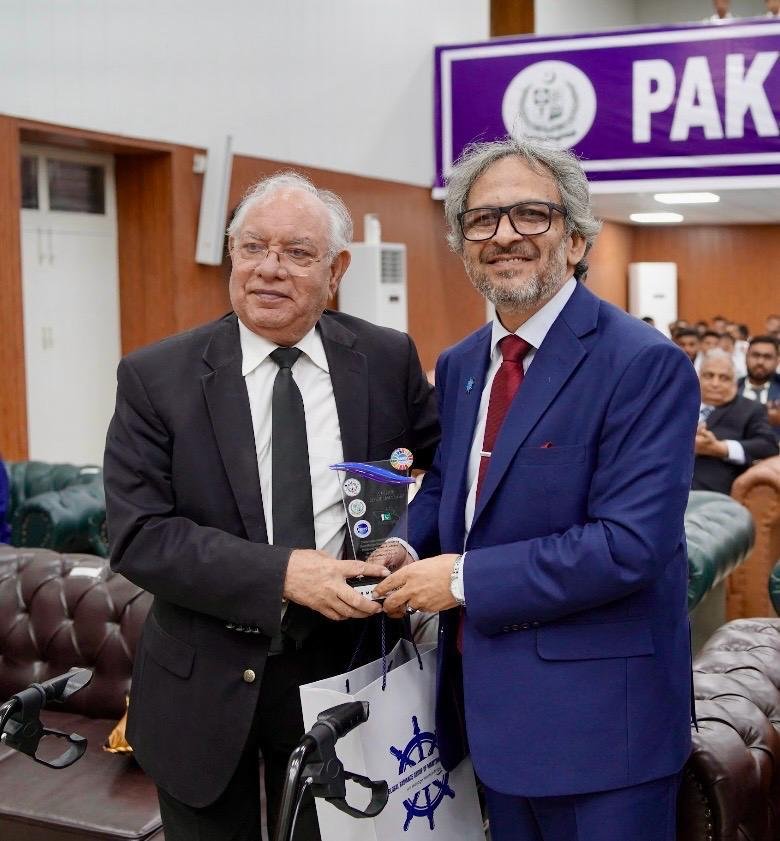
Technical presentations added further depth. Captain Adeel Farooq, a master mariner with over 20 years of experience and currently serving Cnergyico Pakistan Limited in oil spill response, contributed operational expertise. Shabib Asghar, Director of Marine Conservation Pakistan, brought attention to environmental concerns. Maritime lawyer Ahsan Ghani contributed nearly two decades of legal experience. Their participation illustrated how maritime progress depends on safety, environmental care and a sound understanding of legal obligations.
Giving the Next Generation a Chance
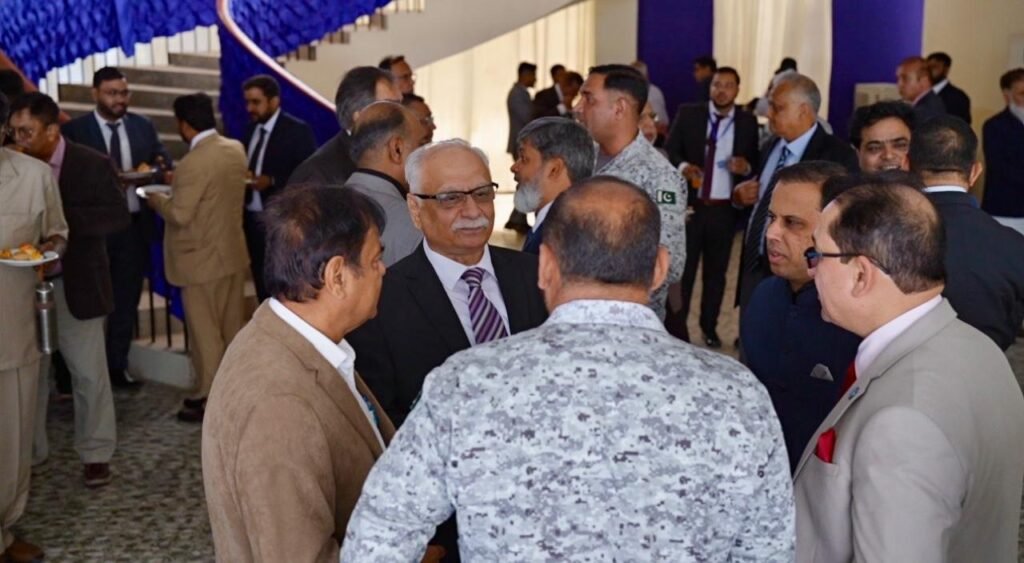
The students attending the programme were central to its purpose. Their future will depend partly on how well education connects with professional opportunities. Abdul Lateef Siddiqui’s support deserves recognition in this context, alongside GRG’s involvement in maritime education and scholarships. Pakistan has the geographical advantages to develop its maritime sector. What it needs is sustained investment in people and institutions, so that young professionals can turn that promise into useful, lasting work.