By. Irfan Siddiqui
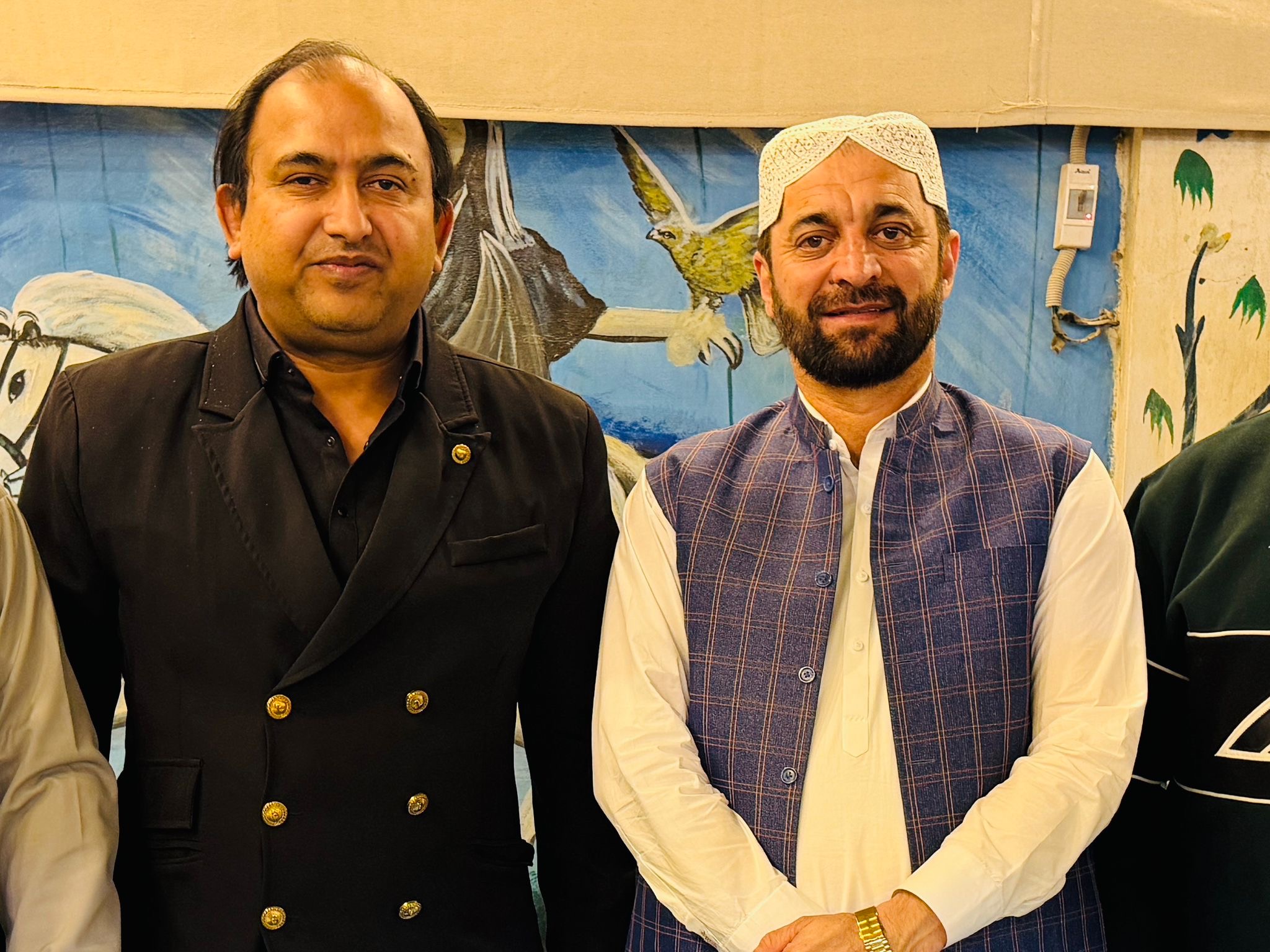
In the complex political landscape of Karachi’s western districts, credibility is rarely built through speeches alone. It is shaped over time, through presence, consistency, and loyalty during difficult phases. Ali Ahmed Jan’s political journey reflects this quieter, ground-rooted tradition of politics, particularly in areas such as Gulshan-e-Maymar, Orangi Town, and Baldia Town.
Ali Ahmed Jan is widely regarded within Pakistan Peoples Party circles as a disciplined party worker who rose through organisational politics rather than sudden electoral visibility. His association with the party spans years of grassroots engagement, especially during periods when political affiliation demanded resilience rather than convenience. In party memory, he is often identified as a loyal follower of Shaheed Mohtarma Benazir Bhutto, not in symbolic terms, but through sustained commitment after her assassination, when the party was navigating uncertainty and pressure.
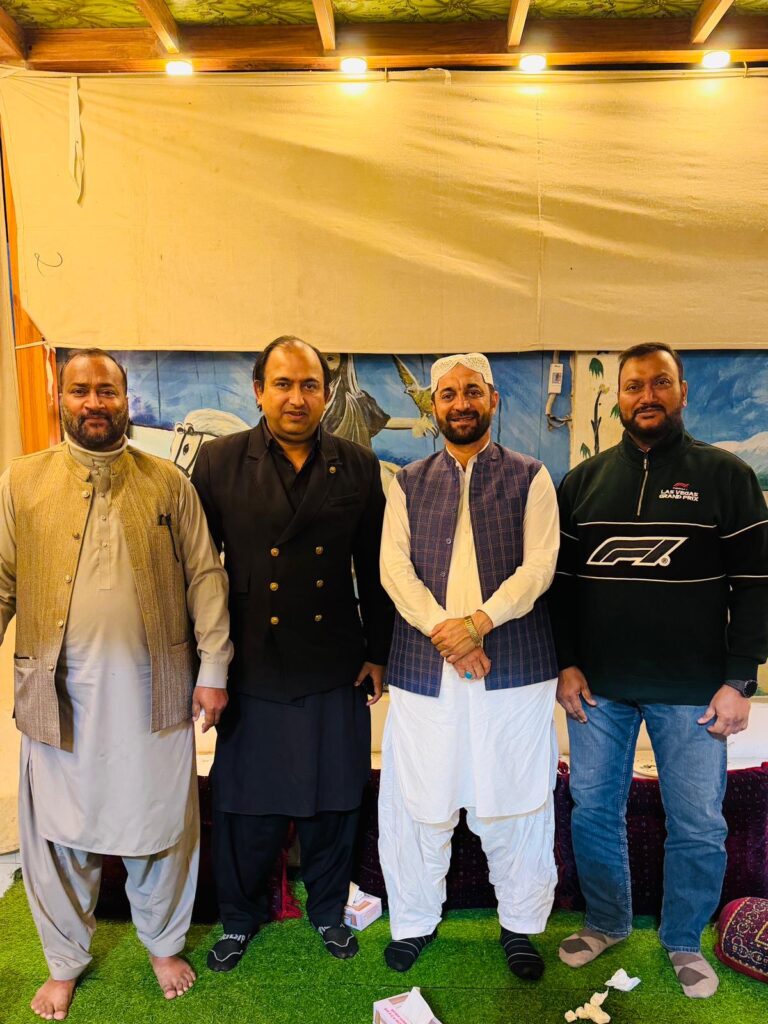
This consistency gradually translated into trust at the highest levels of the party. His relationship with President Asif Ali Zardari and Faryal Talpur is commonly described as one of political confidence built over time. Within PPP’s internal structure, Ali Ahmed Jan is seen as a reliable figure who remained aligned with party leadership during challenging political transitions. That trust, according to party insiders, did not emerge overnight but was the result of years of organisational work and constituency-level responsibility.
Orangi Town and Baldia Town are among Karachi’s most demanding constituencies. Governance issues there are immediate and visible—water shortages, broken roads, sanitation failures, and overlapping administrative jurisdictions. Ali Ahmed Jan’s political identity in these areas is shaped less by rhetoric and more by coordination with district administration, development authorities, and community representatives. His approach has typically focused on problem-solving through engagement rather than confrontation, a style that resonates in areas where everyday issues define political success.
It was largely this sustained groundwork that led to his nomination and eventual election as a Member of the Sindh Provincial Assembly. The decision to award him the provincial assembly ticket was viewed within the party as recognition of loyalty, local relevance, and political discipline. It also reflected the leadership’s belief that constituencies like Karachi West require representatives with lived familiarity rather than distant oversight.
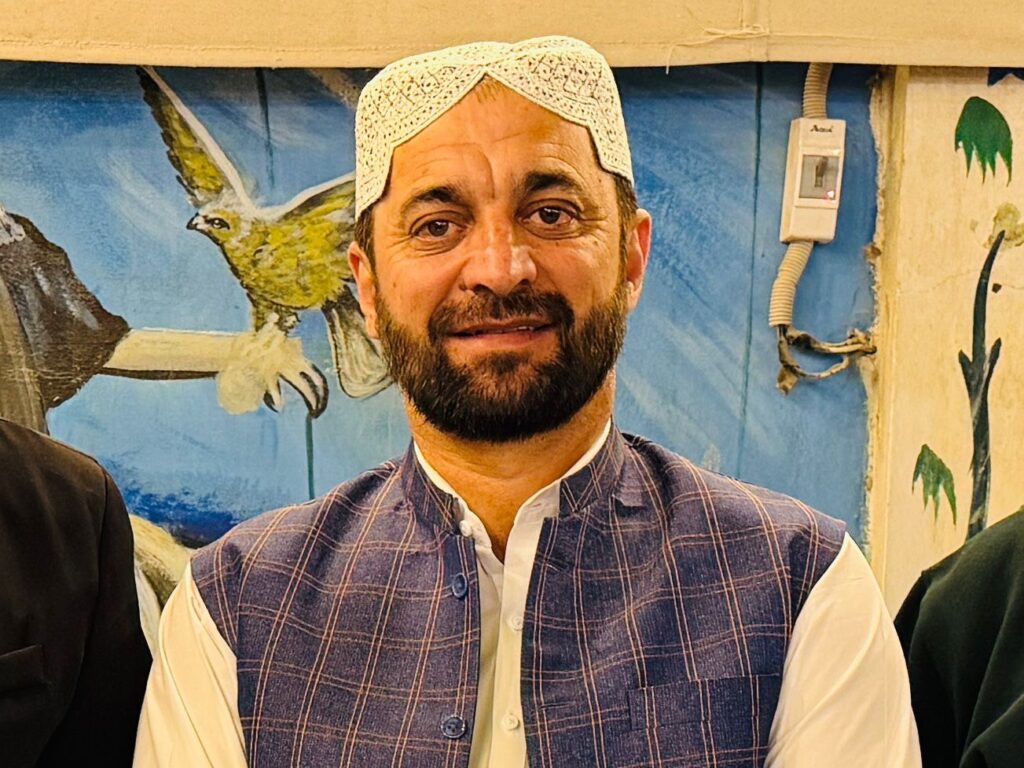
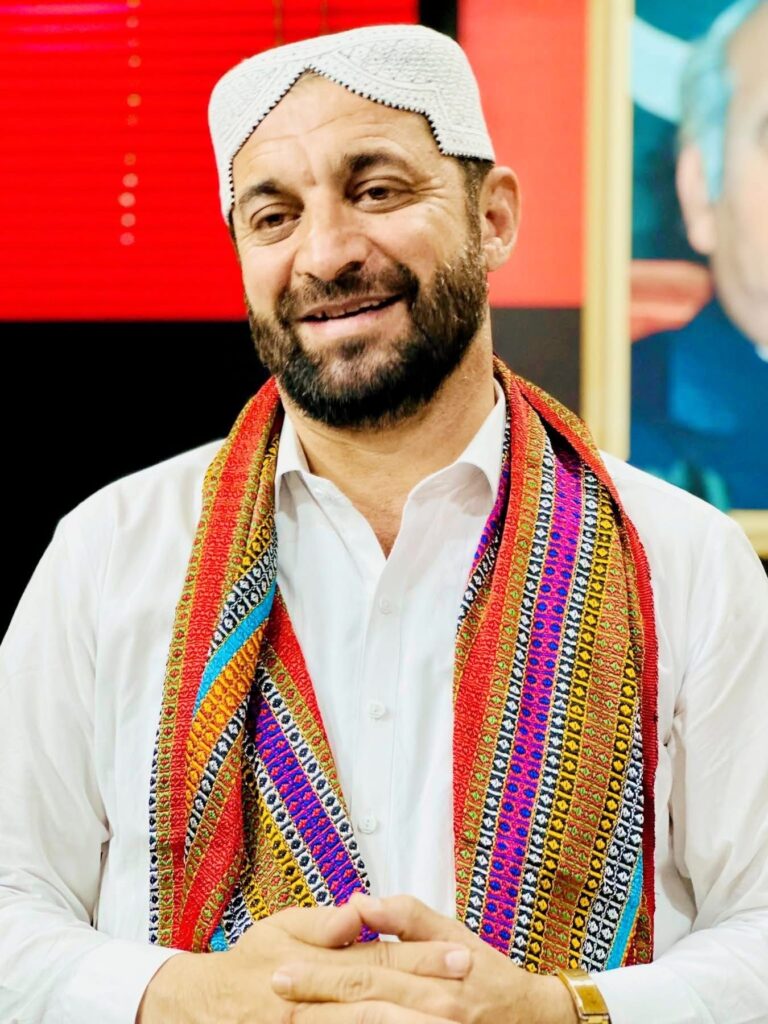
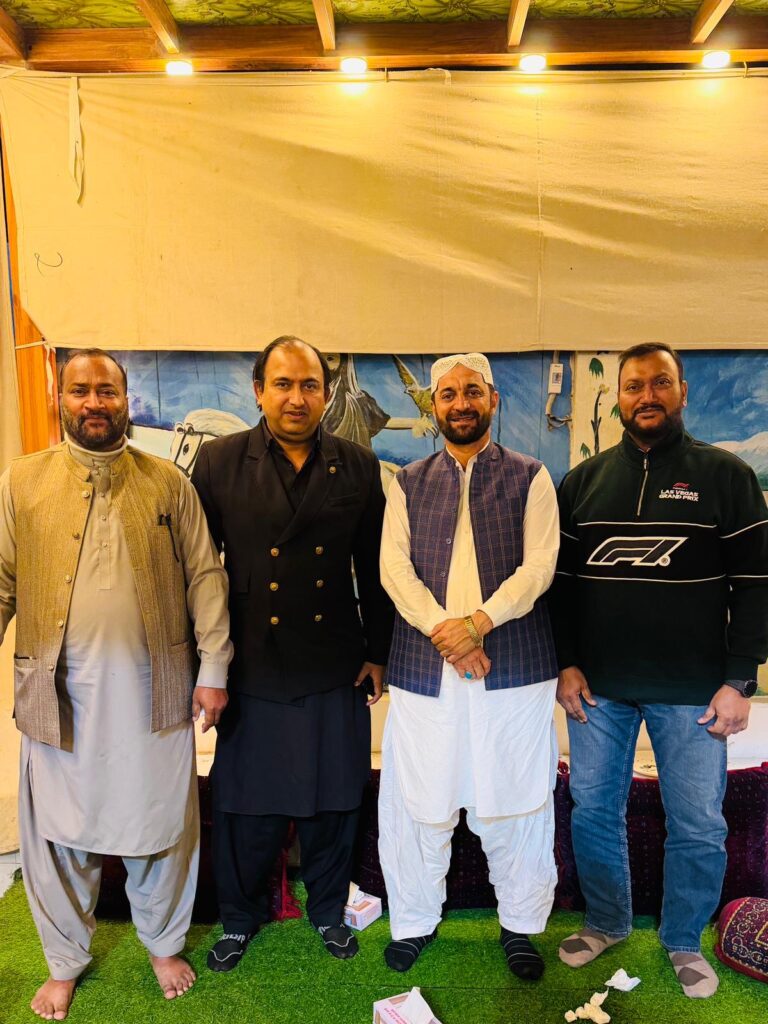
Before entering the assembly, Ali Ahmed Jan had already earned the confidence of the provincial leadership, including the Chief Minister’s office, through earlier responsibilities and coordination roles. These experiences strengthened his profile as someone capable of navigating both political and administrative spaces—an important quality in a city where governance is fragmented across institutions.
As a legislator today, his politics remain closely tied to the streets where he began. He is often described not merely as a lawmaker, but as an intermediary between residents and the state apparatus. His career illustrates a broader pattern within PPP politics: that sustained loyalty, organisational patience, and constituency service can still translate into political trust at the highest level.
In that sense, Ali Ahmed Jan’s story is less about rapid ascent and more about endurance—an example of how grounded politics continues to shape representation in Karachi’s most complex neighborhoods.