
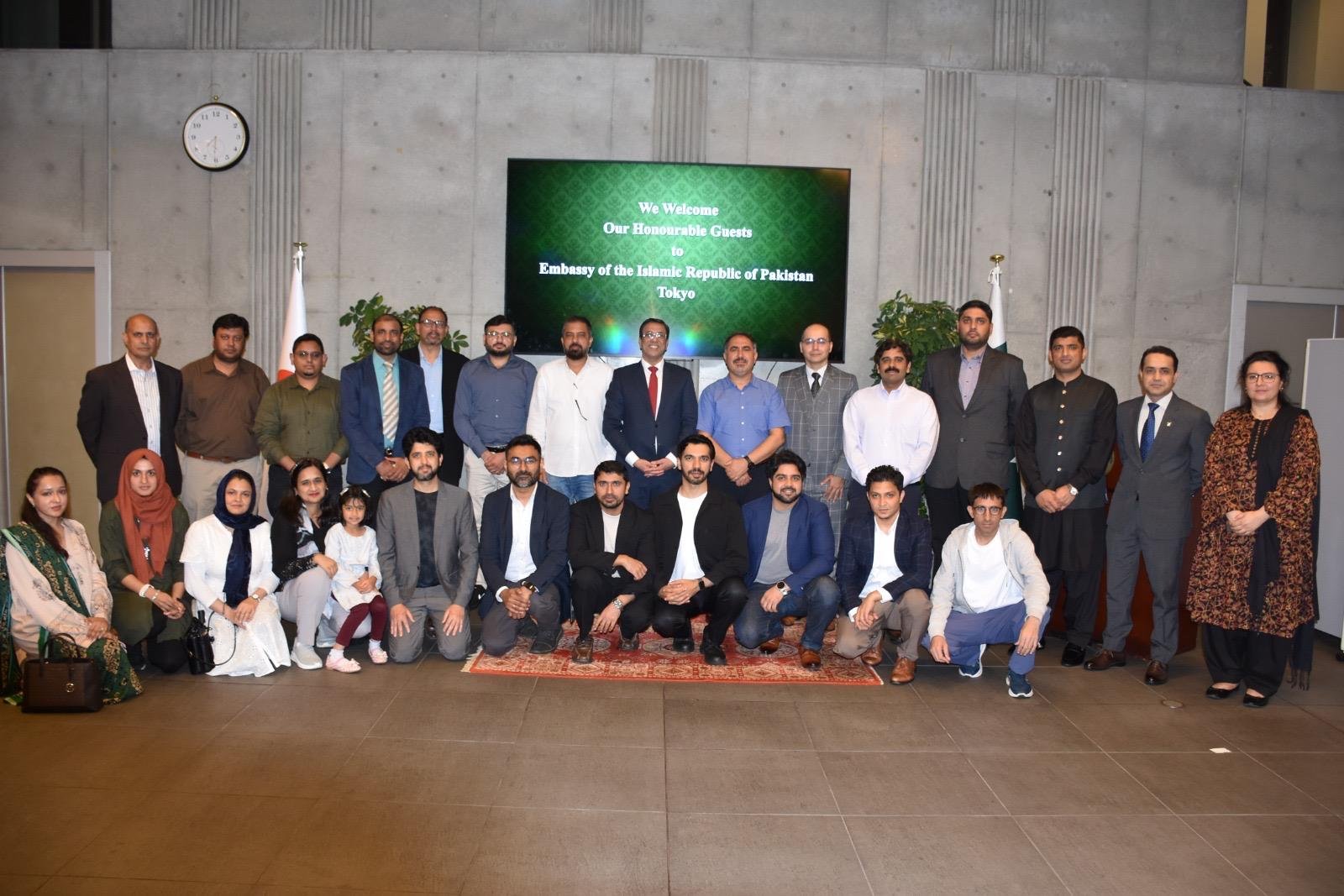
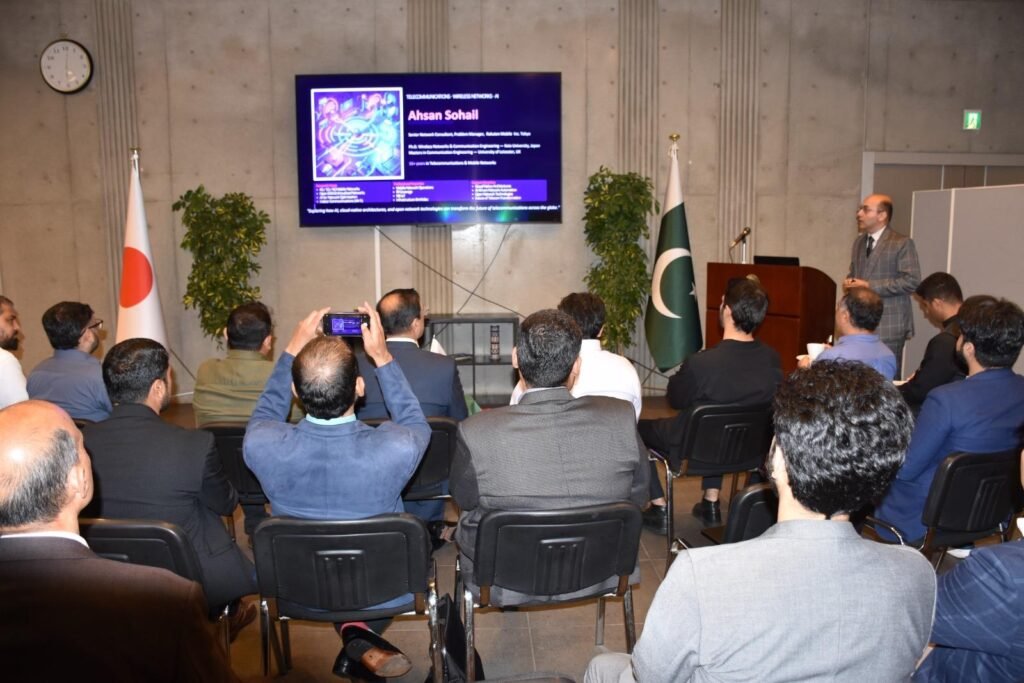
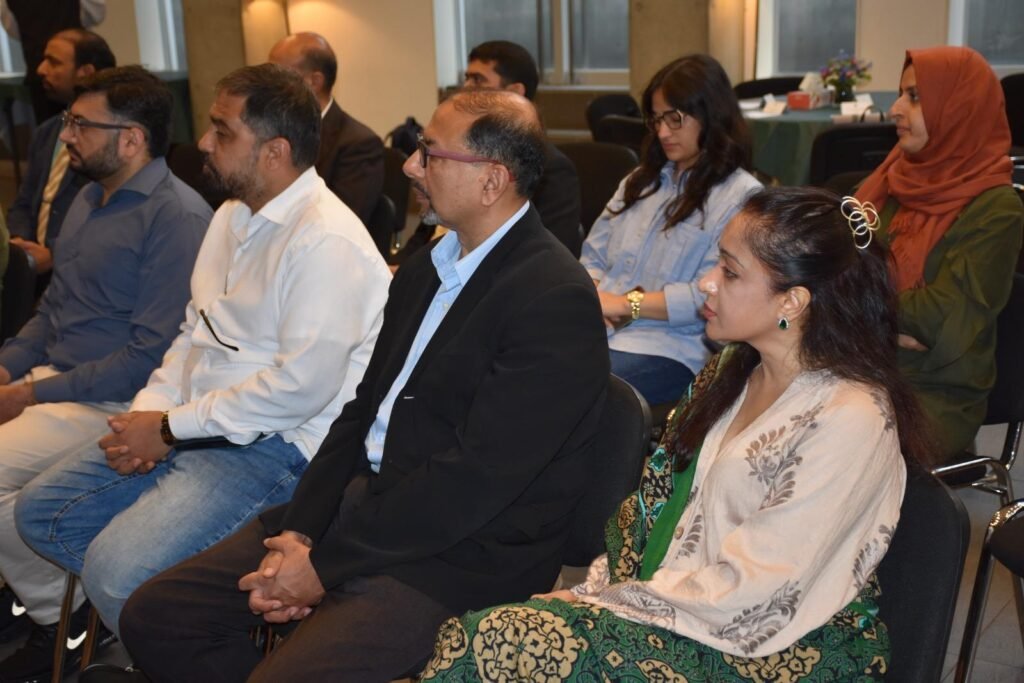
The Embassy of Pakistan in Tokyo hosted the First Pakistan–Japan Symposium on Science, Technology and Innovation on Sunday, bringing together leading Pakistani researchers, scientists and technology professionals residing in Japan along with representatives from academia and industry. The landmark event highlighted the growing role of science diplomacy in strengthening bilateral relations between Pakistan and Japan.
Held under the theme, “Building Bridges Between Japanese Cutting-Edge Technologies and Pakistani Researchers, Scientists and Entrepreneurs,” the symposium aimed to explore avenues for scientific collaboration and technological partnerships between the two countries.
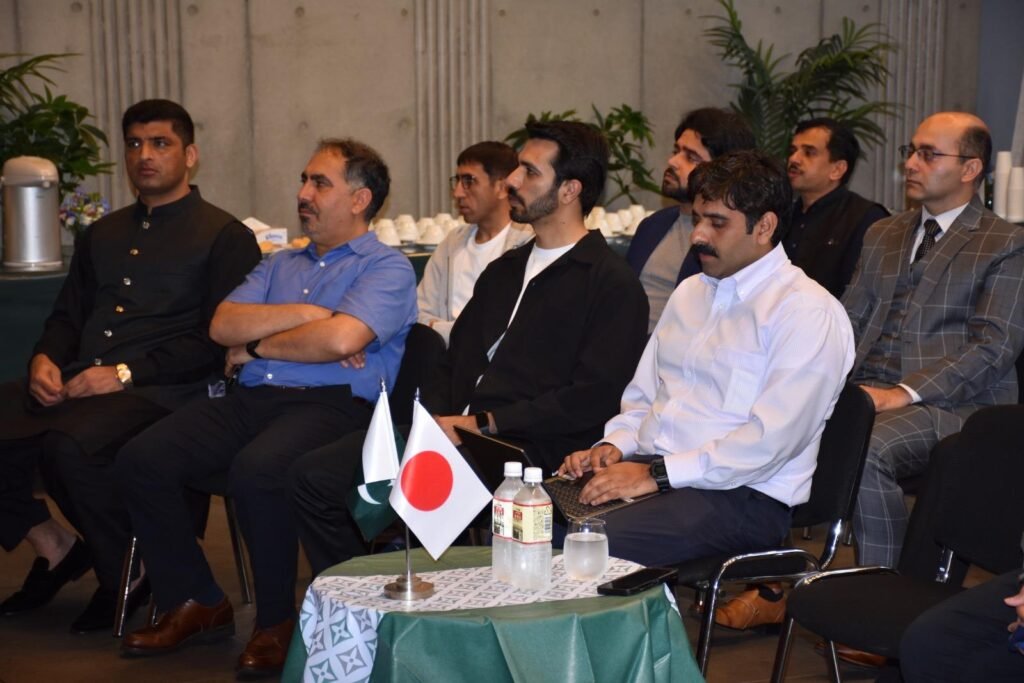
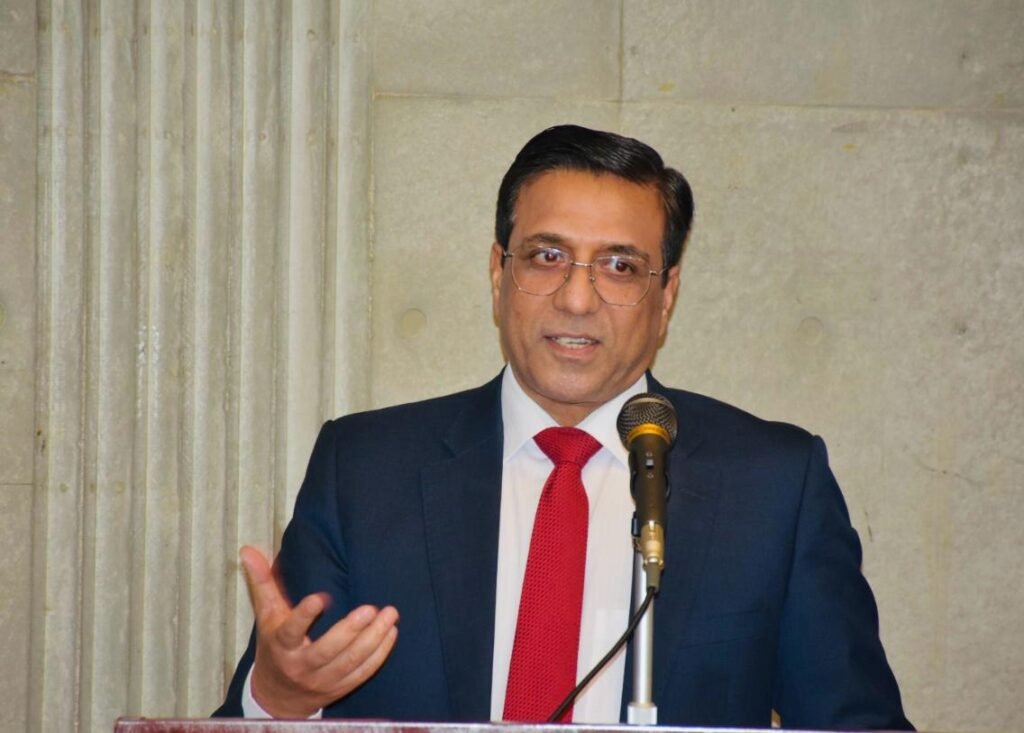
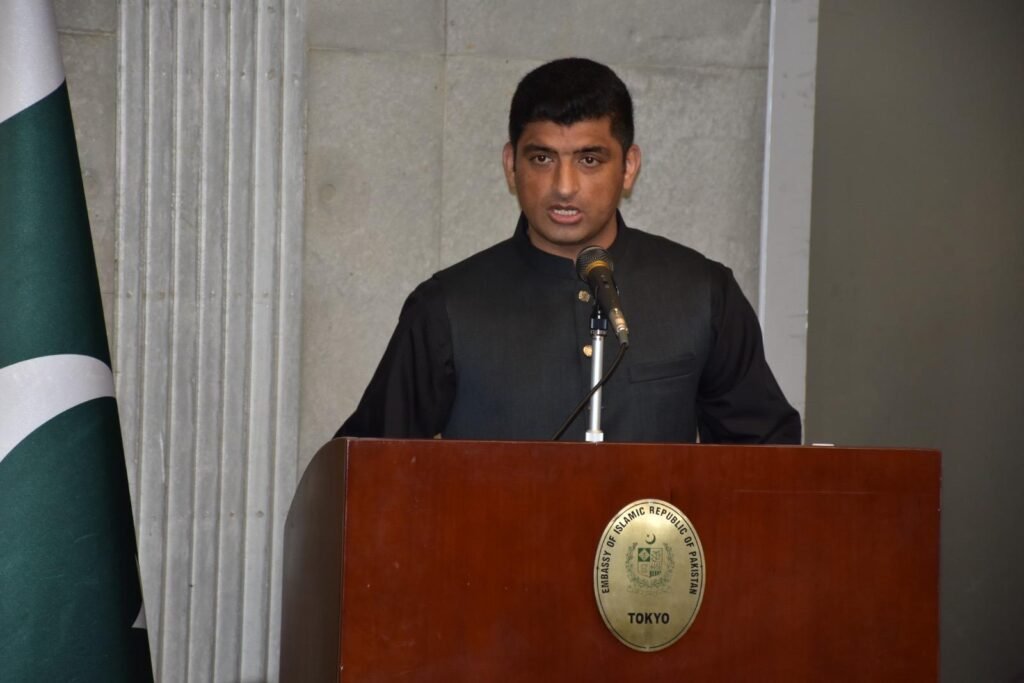
Opening the symposium, Pakistan’s Ambassador to Japan, Mr. Abdul Hameed, emphasized that science and technology have become central pillars of contemporary international relations. He noted that while Pakistan and Japan have enjoyed more than seven decades of friendly relations, the future of their partnership should increasingly be shaped by innovation, research cooperation, artificial intelligence and advanced manufacturing.
The Ambassador said that Japan’s globally recognized expertise in robotics, biotechnology, advanced materials and precision manufacturing offers significant opportunities for cooperation with Pakistan’s universities, research institutions and emerging technology enterprises. He stressed the importance of stronger academic linkages, joint research projects and industrial partnerships to further deepen bilateral ties.
The symposium featured presentations on a wide range of emerging technologies and scientific developments.
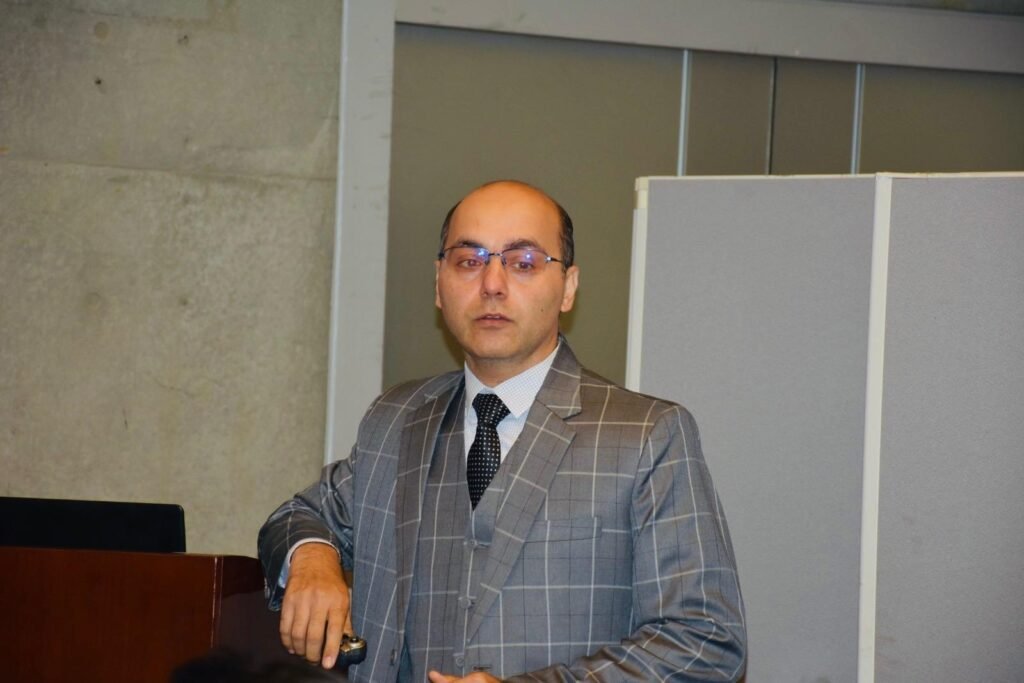
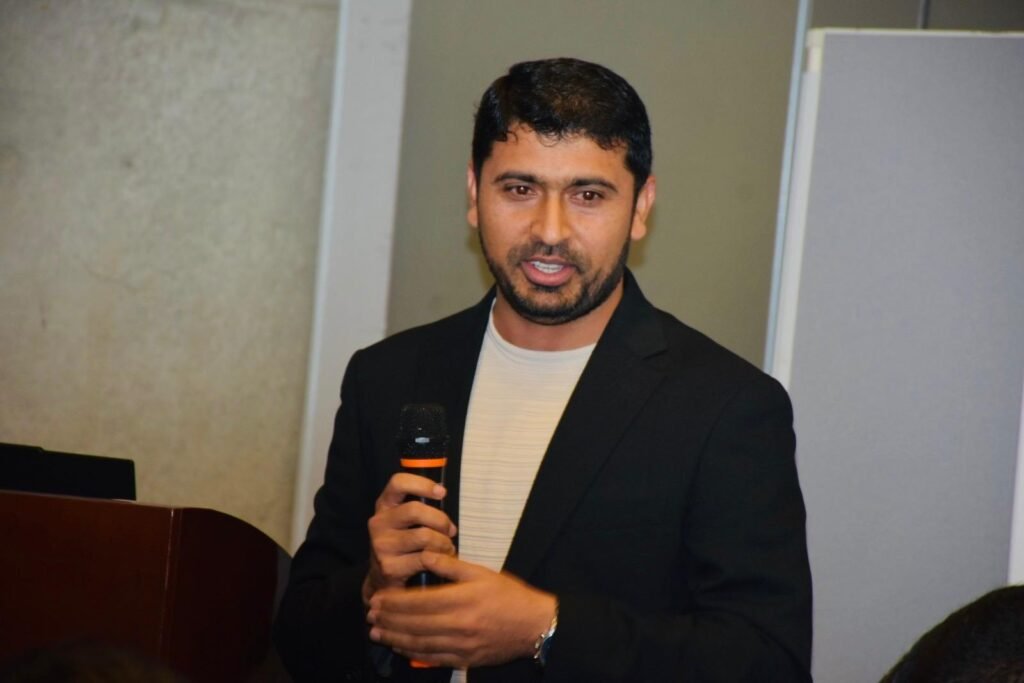
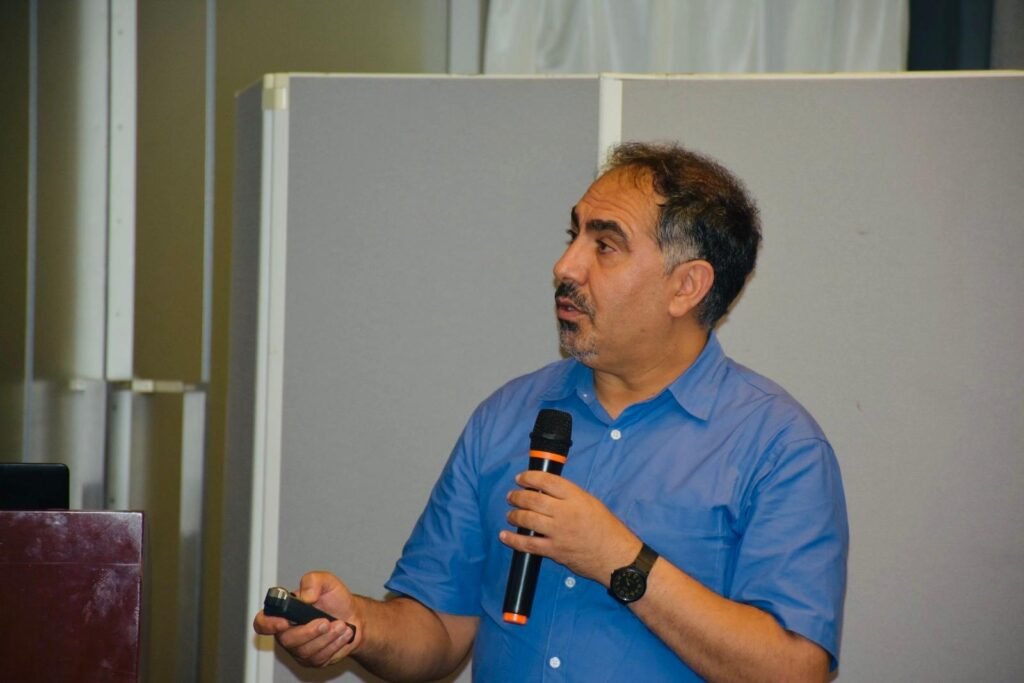
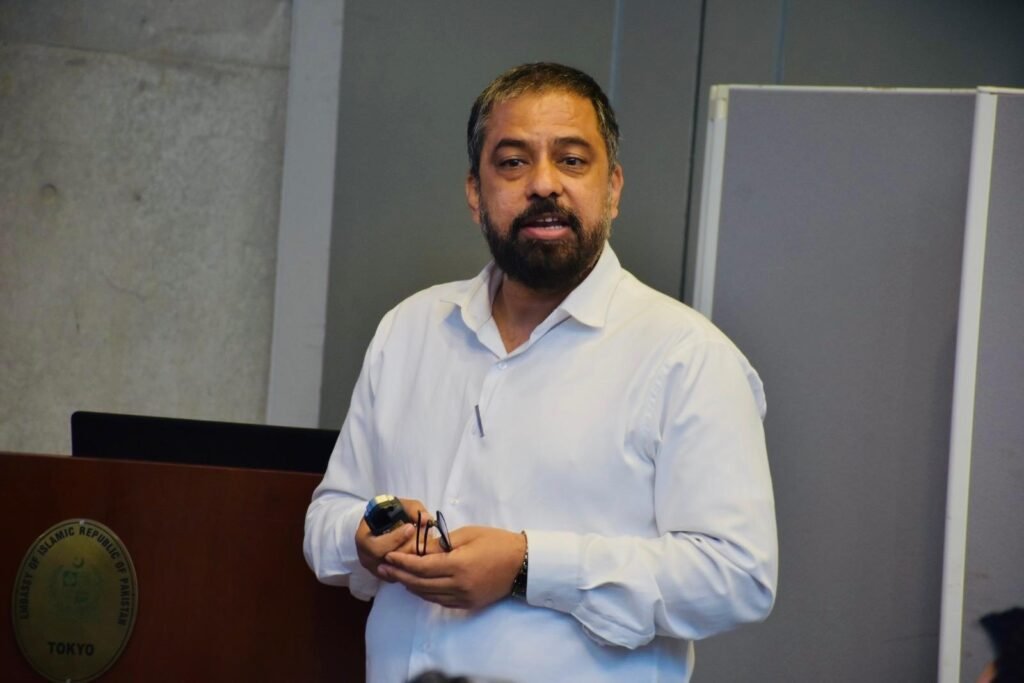
The keynote address was delivered by Dr. M. Ajmal Khan Wazir, who presented his pioneering work in photonic technologies. He explained how advances in photovoltaic materials and ultraviolet LED technologies can contribute to renewable energy, healthcare, water purification and climate resilience. Dr. Wazir highlighted the potential for adapting these Japanese technologies to Pakistan’s development priorities, particularly in the fields of energy security, agriculture and environmental sustainability.
Dr. Khurram Bashir discussed recent advances in plant science and chemical biology, explaining how these innovations can strengthen food security, improve agricultural sustainability and help address micronutrient deficiencies affecting millions worldwide.
In the field of renewable energy, Dr. Sana Ullah outlined how Pakistan’s abundant solar resources, combined with Japanese expertise in advanced materials and catalysis, could pave the way for future collaboration in clean hydrogen technologies and sustainable energy systems.
The symposium also focused on digital transformation and telecommunications. Dr. Ahsan Sohail presented a case study on software-defined and AI-enabled telecommunications infrastructure, highlighting its relevance for Pakistan’s evolving telecom sector and future deployment of 5G technologies.
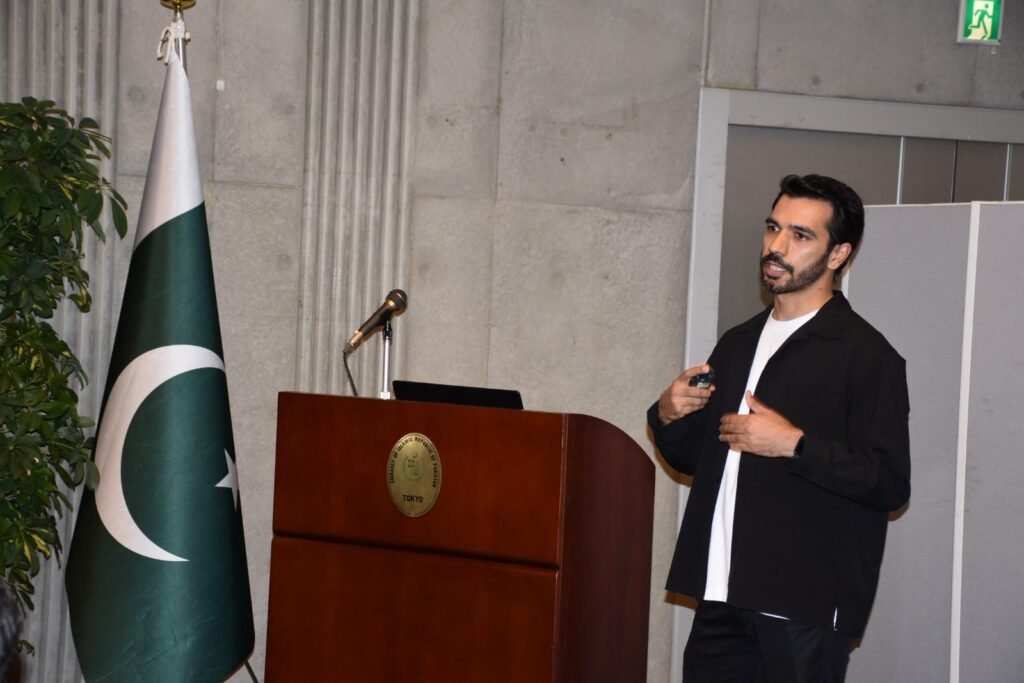
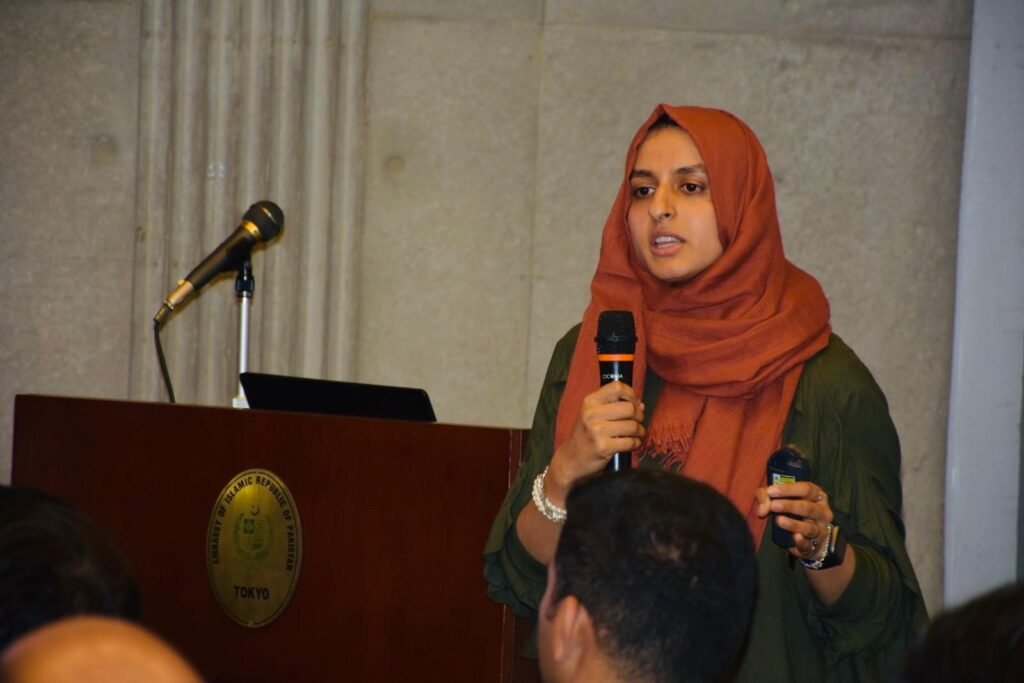
Artificial intelligence emerged as another major theme of the event. Dr. Iffat Maab proposed a collaborative framework for developing Urdu language technologies through data-driven research. She emphasized the need for high-quality linguistic datasets and multilingual AI systems capable of supporting education, healthcare, agriculture and scientific communication. Mr. Haris Gulzar demonstrated how voice-based artificial intelligence could transform digital services across multiple sectors.
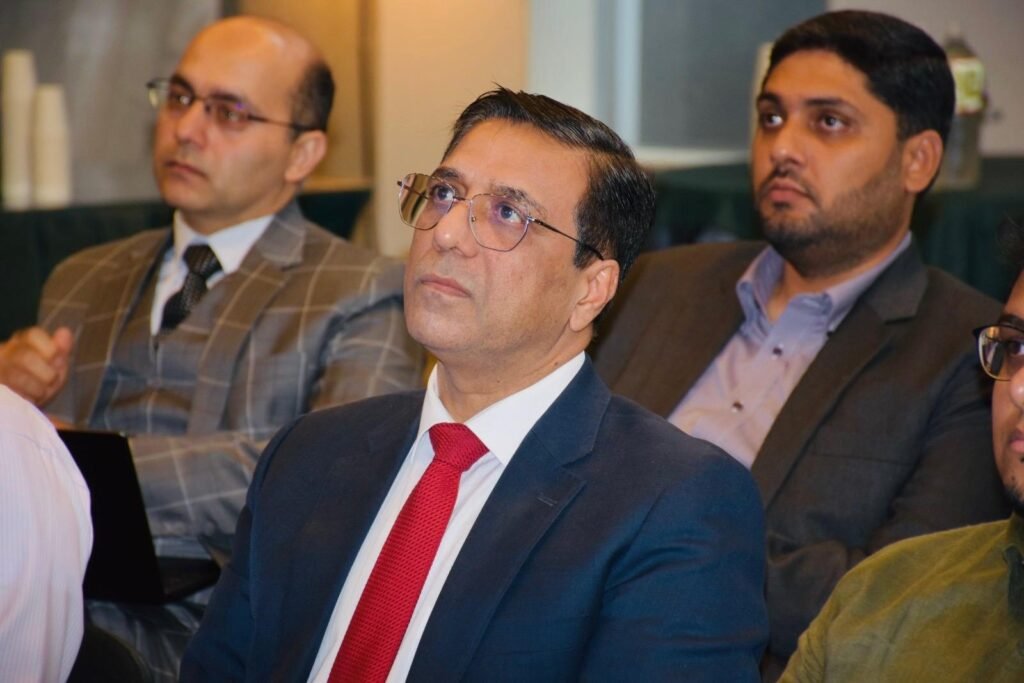
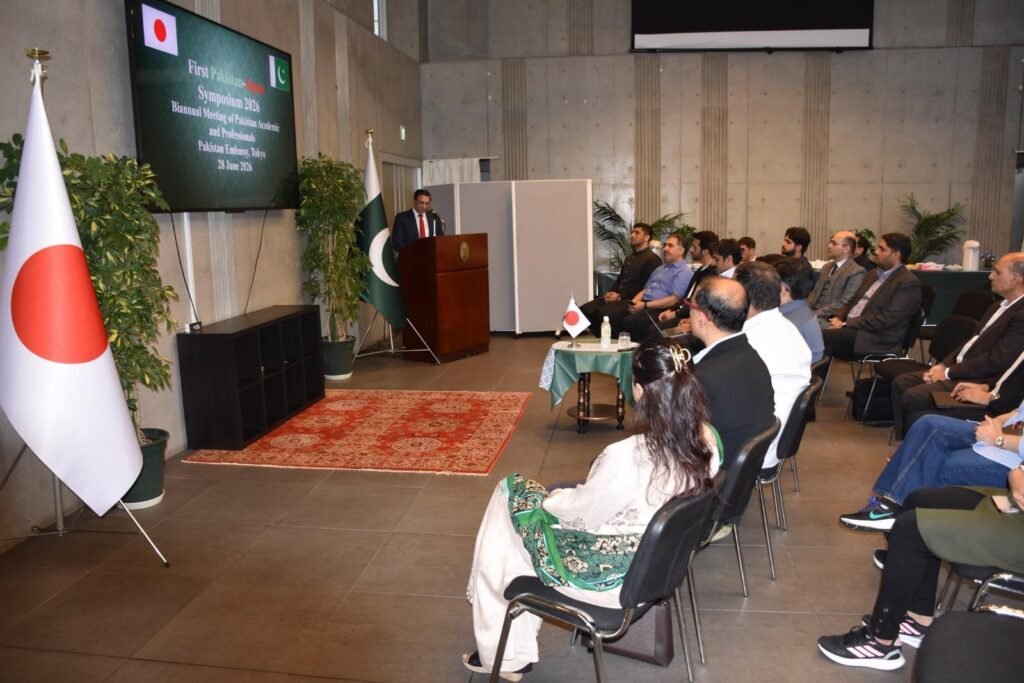
Throughout the symposium, participants engaged in lively discussions on technology commercialization, startup ecosystems, university-industry partnerships, research funding and talent mobility. The exchanges underscored the growing role of the scientific community in connecting the research ecosystems of Pakistan and Japan.
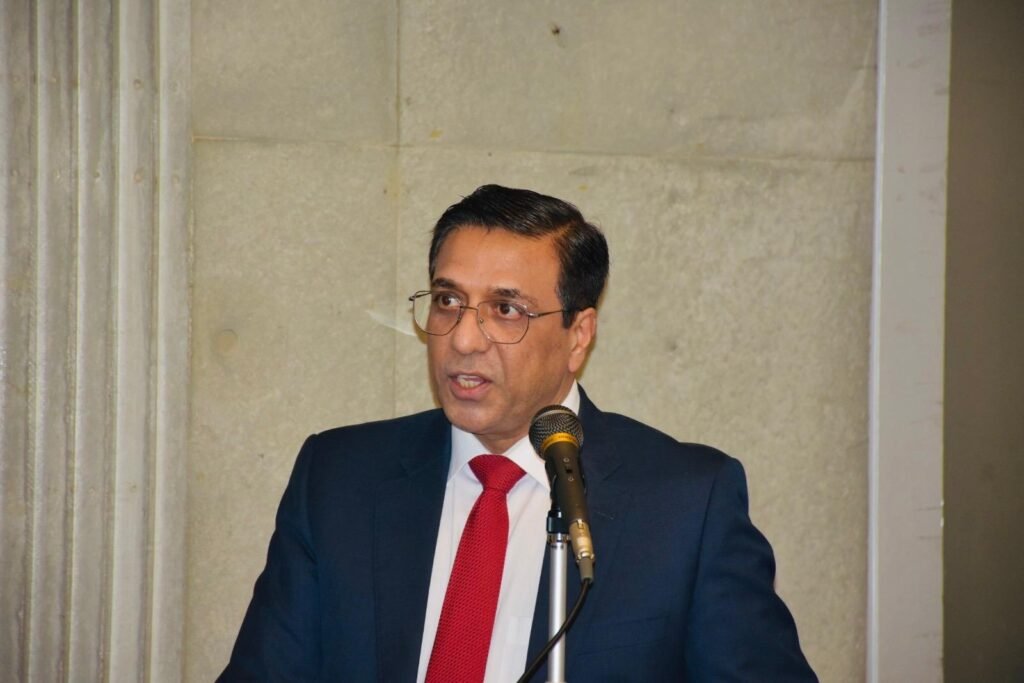
In his closing remarks, Ambassador Abdul Hameed thanked the distinguished speakers and participants for making the inaugural symposium a success. The programme concluded with a networking dinner and follow-up discussions aimed at promoting future collaborative projects and strengthening professional ties between the two countries. The Embassy reaffirmed its commitment to facilitating partnerships that advance innovation and sustainable economic development for the mutual benefit of Pakistan and Japan.