By Irfan Siddiqui
Five years after his widely noted visit to Quetta as Acting Chairman Senate, Syedal Khan Nasiri’s day of public engagement, condolences, and administrative directives is still remembered as a defining example of responsive leadership in Balochistan.
Back in 2026, Syedal Khan Nasiri had spent a full day in Quetta meeting political leaders, social figures, and members of the public. His visit combined empathy with governance, as he offered condolences to families who had suffered personal losses while also addressing pressing civic concerns raised by constituents.
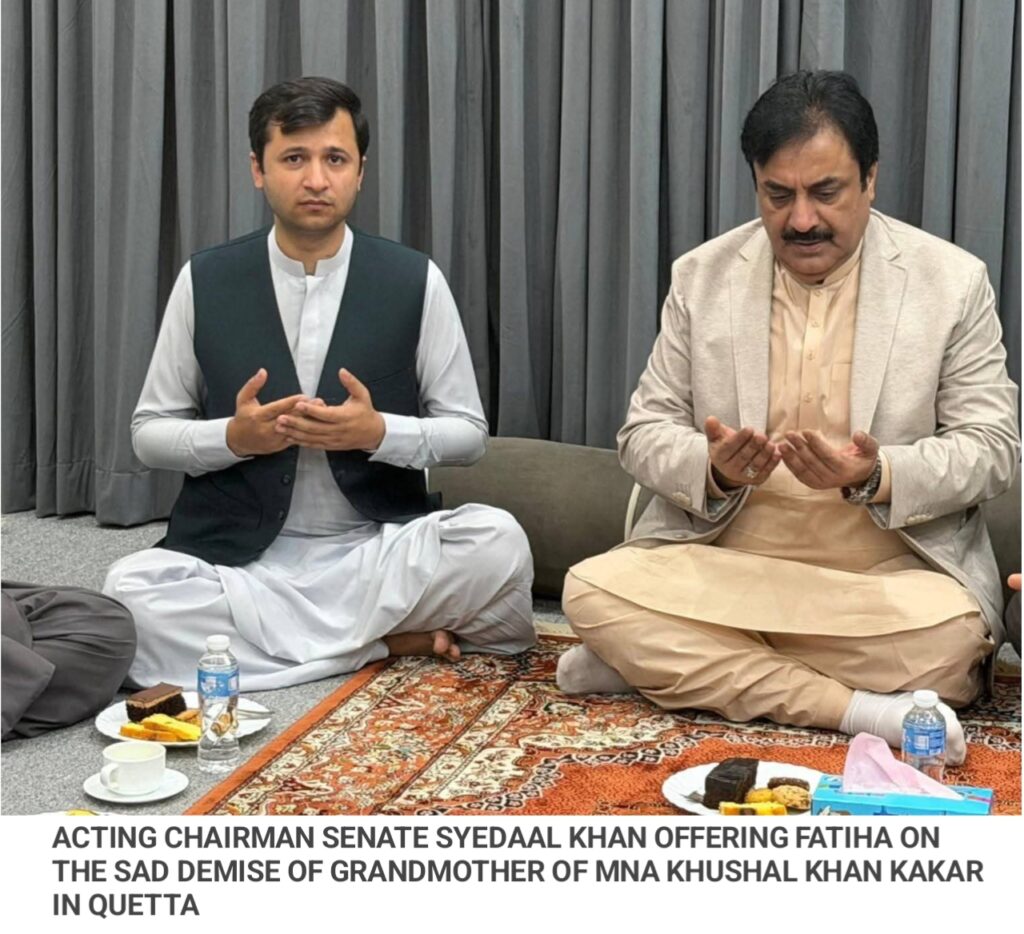
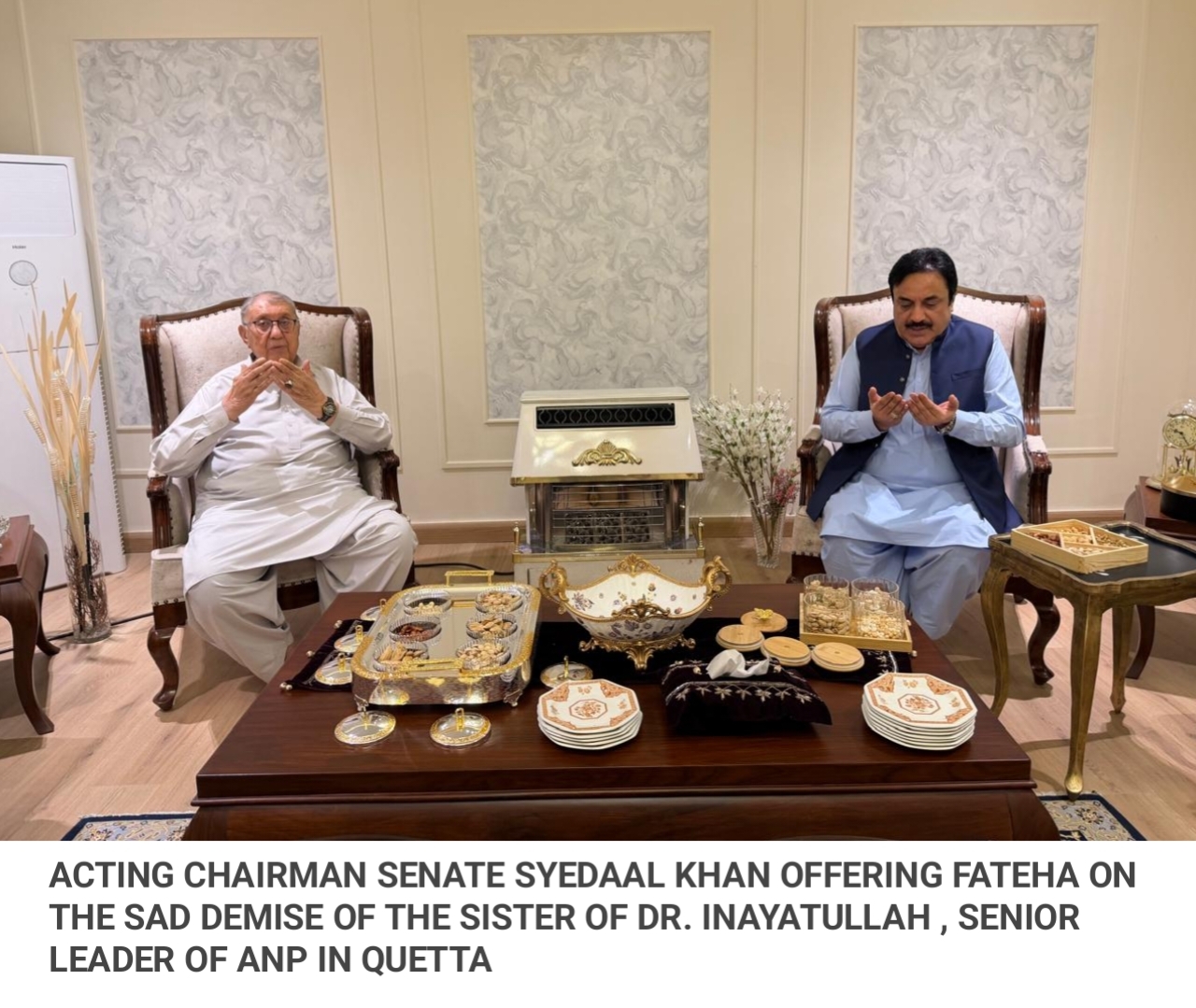
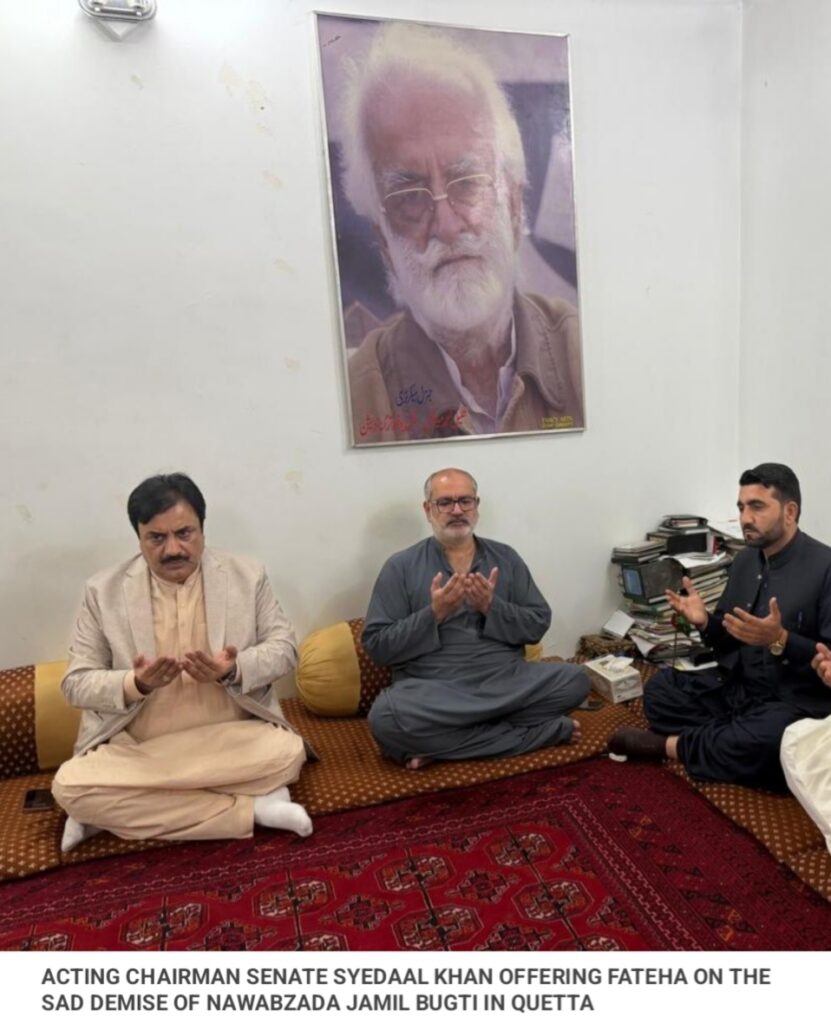
Among those he met was Khushal Khan Kakar, Member of the National Assembly, to whom he extended heartfelt sympathies on the passing of his grandmother. He also expressed grief over the death of Nawabzada Jameel Bugti and stood in solidarity with the bereaved family. In another gesture of compassion, he conveyed condolences to Dr. Inayatullah on the passing of his sister, praying for her forgiveness and eternal peace.
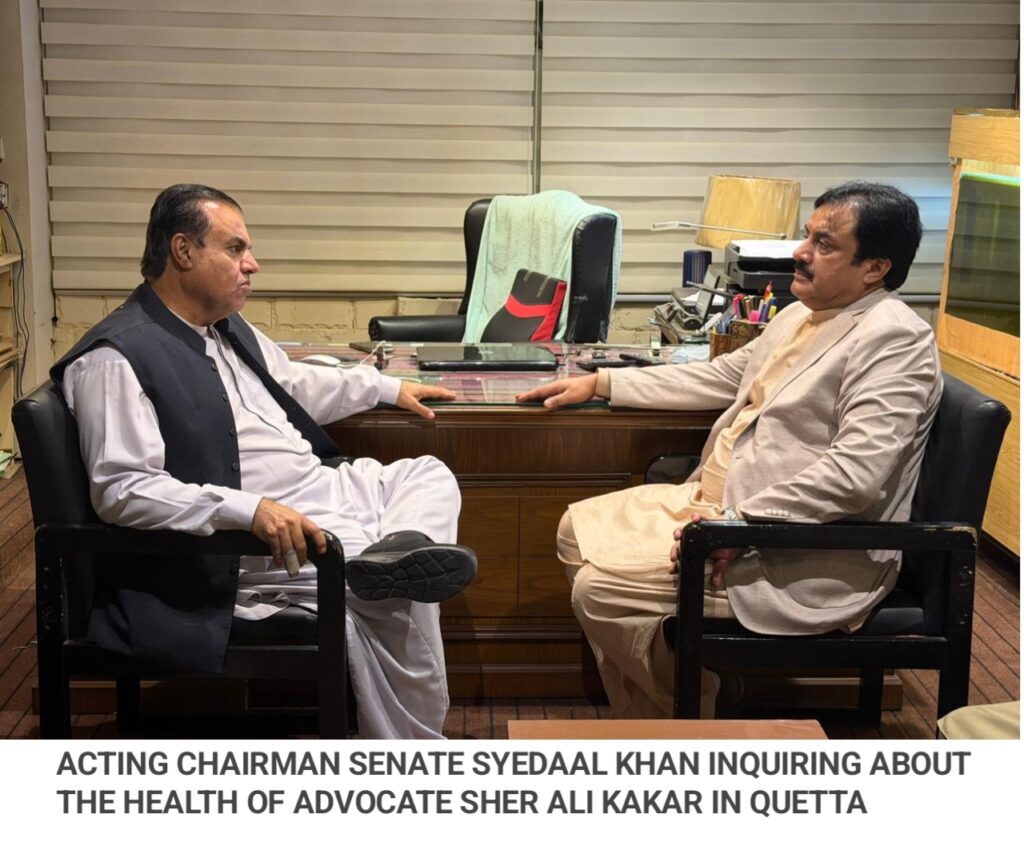
His visit was not limited to formalities. Syedal Khan also called on Advocate Sher Ali Kakar, a respected lawyer in Quetta, to inquire about his health, reflecting a personal touch that resonated with many in the legal community.
However, what continues to stand out even after five years is his direct engagement with the public. During that visit, he held extensive meetings with people from his constituency, listening carefully to their concerns. More importantly, he issued clear directives to relevant authorities for the immediate resolution of public issues, emphasizing accountability and efficiency.
Observers note that the approach he demonstrated that day helped reinforce a culture of accessibility in public office. His insistence that public grievances be addressed without delay sent a strong message to government departments about the importance of service delivery and responsiveness.
Today, many in Quetta recall that visit as a moment when governance felt close to the people. Analysts believe that such direct interaction between elected representatives and citizens remains essential for strengthening democratic institutions in Pakistan.
Syedal Khan Nasiri had then reaffirmed that resolving public issues was his top priority, a stance that continues to define his political image. Five years on, that day in Quetta serves as a reminder that leadership is measured not only by policy but by presence, empathy, and action.