By. Irfan Siddiqui
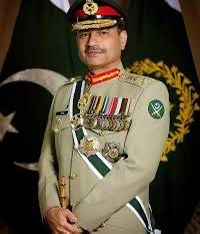
Pakistan’s Deputy Chairman Senate Syedal Khan Nasiri has extended warm congratulations to Field Marshal Asim Munir on assuming the newly created and highly significant position of Chief of Defence Forces, calling the development a milestone in the country’s security framework and a moment of pride for the nation.
In his detailed statement, Syedal Khan said the people of Pakistan are delighted with Asim Munir’s elevation, describing it as a recognition of his professional excellence, strategic foresight and unwavering dedication to national defence. He noted that Field Marshal Asim Munir has consistently demonstrated exemplary leadership throughout his career, earning widespread respect not only within the armed forces but also among international military circles.
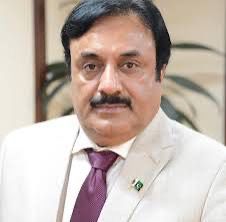
The Deputy Chairman Senate said the nation takes immense pride in Asim Munir’s courage, discipline and commitment to safeguarding Pakistan’s sovereignty. He added that Asim Munir embodies the qualities of a true military leader—bravery, integrity and farsightedness—which have defined his service record over the years.
Syedal Khan emphasised that the new command structure will strengthen coordination among Pakistan’s Army, Navy and Air Force, ensuring a more unified and efficient response to emerging security challenges. He said the appointment of a Chief of Defence Forces marks an important step in improving inter-services harmony and enhancing the country’s long-term strategic planning.
He further noted that under Asim Munir’s leadership, the morale of Pakistan’s armed forces has risen significantly. Officers and soldiers alike view his appointment as a positive and motivating moment, reflecting their deep trust in his leadership style and operational experience.
Highlighting Pakistan’s role in the international defence arena, Syedal Khan said Asim Munir’s new responsibilities have elevated the country’s global profile. He remarked that Pakistan’s armed forces, already known for their professionalism, will gain further strength through his vision and disciplined command approach.
A major part of Syedal Khan’s praise focused on Asim Munir’s leadership in Pakistan’s war against terrorism. He stated that the Field Marshal played a decisive and effective role in critical counterterrorism operations, helping dismantle militant networks and restore stability in key regions of the country. According to him, Asim Munir’s strategic clarity during these operations demonstrated his exceptional command capabilities.
Syedal Khan stressed that Pakistan is entering a sensitive period in global and regional affairs, making strong leadership in the defence sector even more essential. He expressed confidence that Asim Munir’s appointment will prove beneficial for enhancing national security, strengthening institutional coordination and improving Pakistan’s defence readiness.
Calling the development a “positive sign” for Pakistan, the Deputy Chairman Senate said the entire nation believes that Field Marshal Asim Munir will continue to protect the country’s territorial integrity and guide the armed forces with professionalism and integrity.
He concluded by saying that Asim Munir’s elevation reflects the state’s commitment to placing experienced, capable and patriotic individuals in key national security roles. According to Syedal Khan, the appointment will pave the way for a stronger, safer and more united Pakistan.
In Japan’s fast-moving logistics and shipping sector, M3LOGI has earned a place that many companies take decades to reach. Through modern tools, global-standard transport services and a complete supply-chain system, the company has built a reputation for reliability and smart execution. Behind this growth stands a leader whose commitment, clarity and work ethic define the company’s culture — Muzammil Majeed.
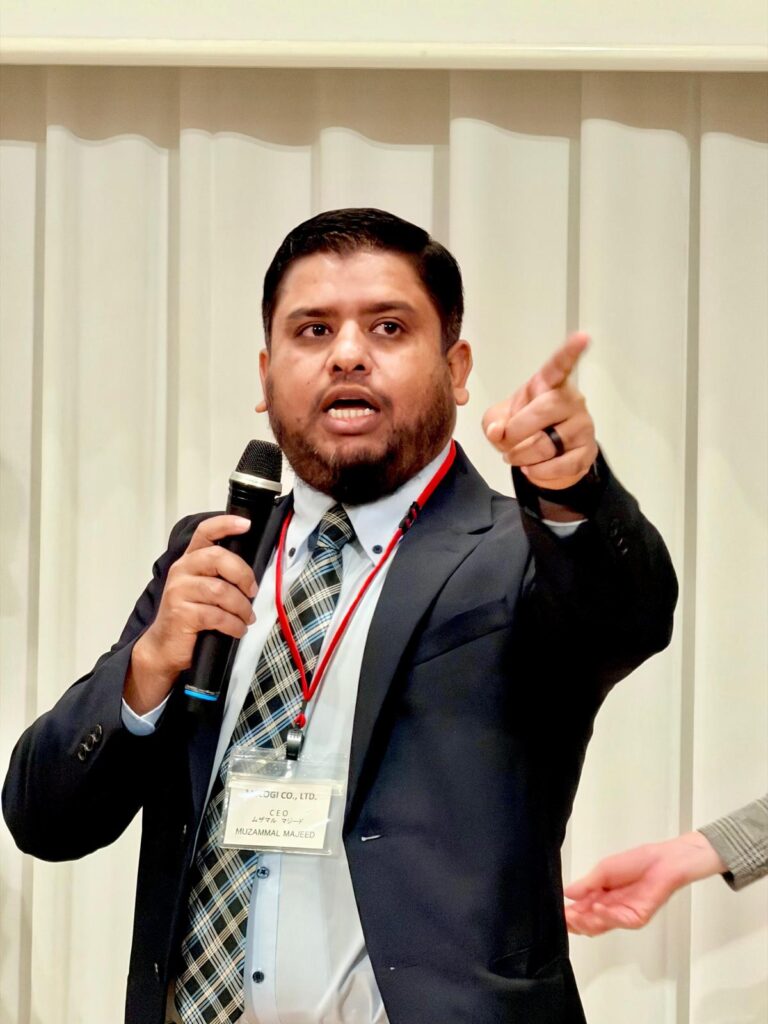
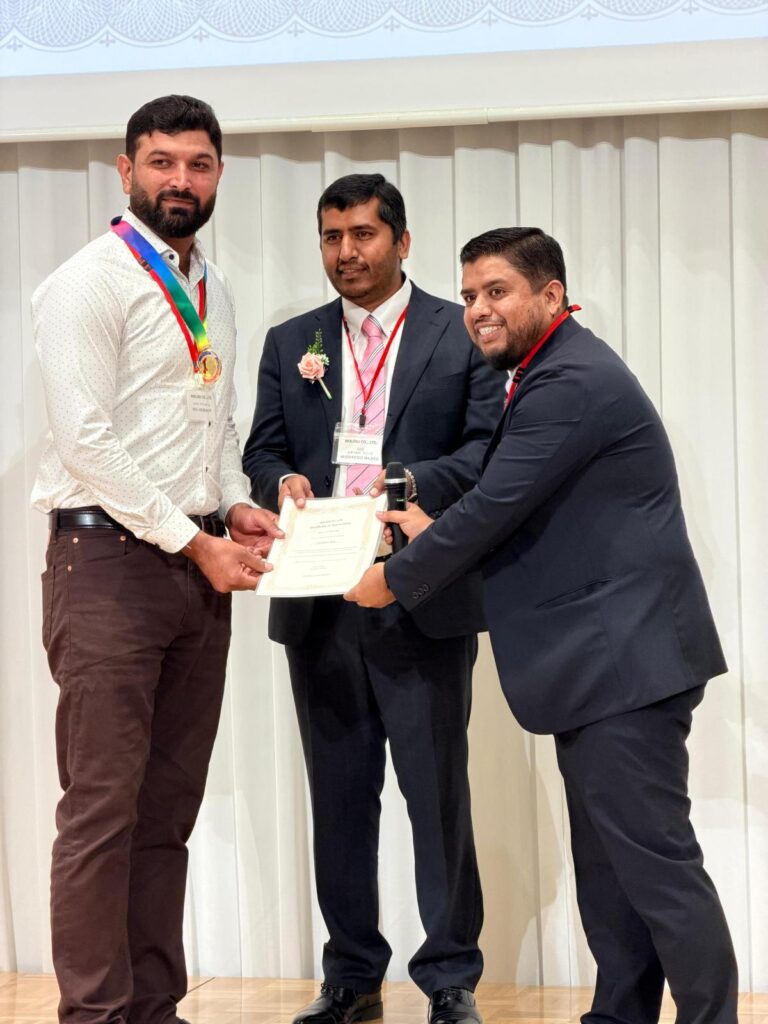
Founded on 12 September 2012, M3LOGI has completed its first decade with a track record of steady expansion. With its head office in central Tokyo, the company has established a strong identity in one of the most structured and competitive markets in the world. From the start, M3LOGI aimed to bring every major logistics service under one unified platform. That vision has now turned into a well-built system powered by transparency, technology and customer convenience.
The company’s work spreads across many sectors. It manages ocean shipping, including RoRo and container services, along with land transport and professional yard operations. These include vehicle storage, vanning, customs brokerage, and supply-chain consulting. M3LOGI’s digital apps — Car Carrier and MarineLogi — allow customers to book shipments, track progress and receive updates without hassle. This blend of advanced systems and real-world operations has positioned the company as a modern solution provider rather than just another transport service.
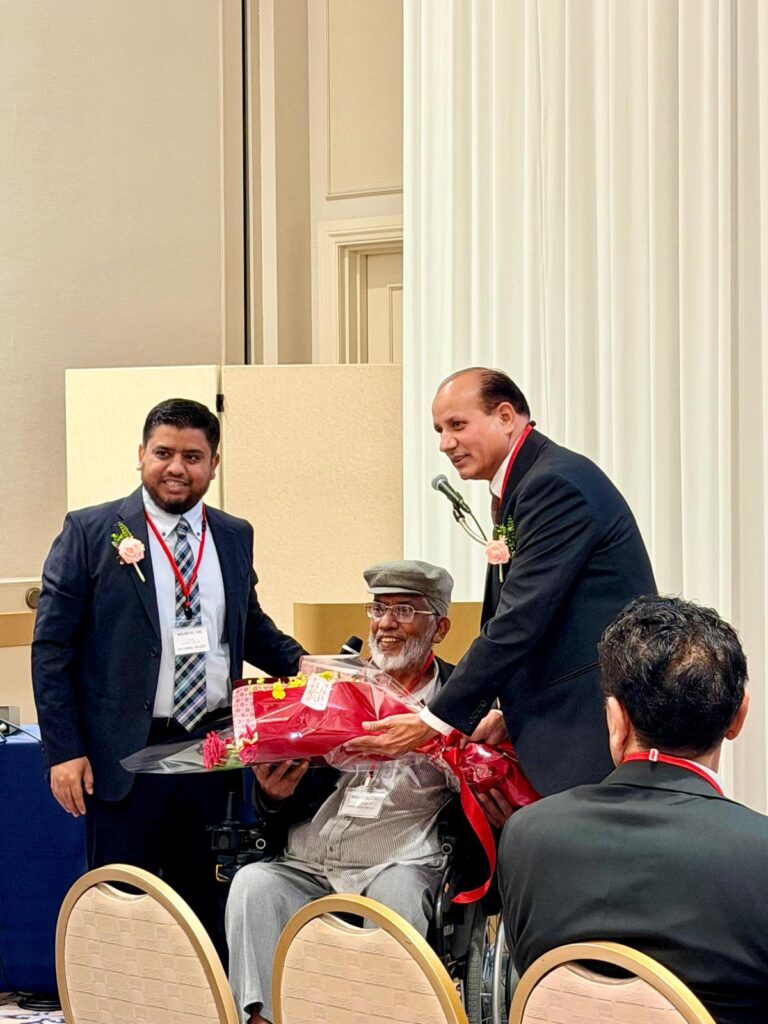
At the center of this story is Muzammil Majeed, whose leadership has guided the company from a start-up to an international operation. He built his career in a market known for discipline, accuracy and high expectations, and he matched those standards with consistent performance. His style is practical, steady and focused on developing systems that work. These qualities have made him not only a successful CEO but also an example for young professionals, especially Pakistanis working abroad.
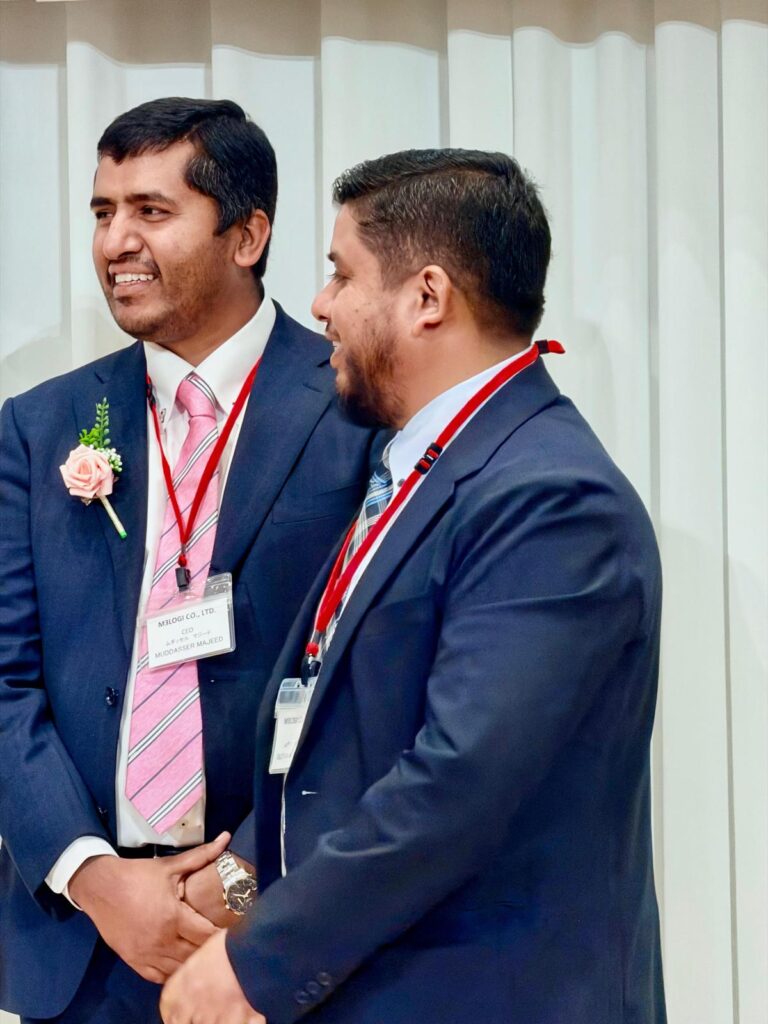
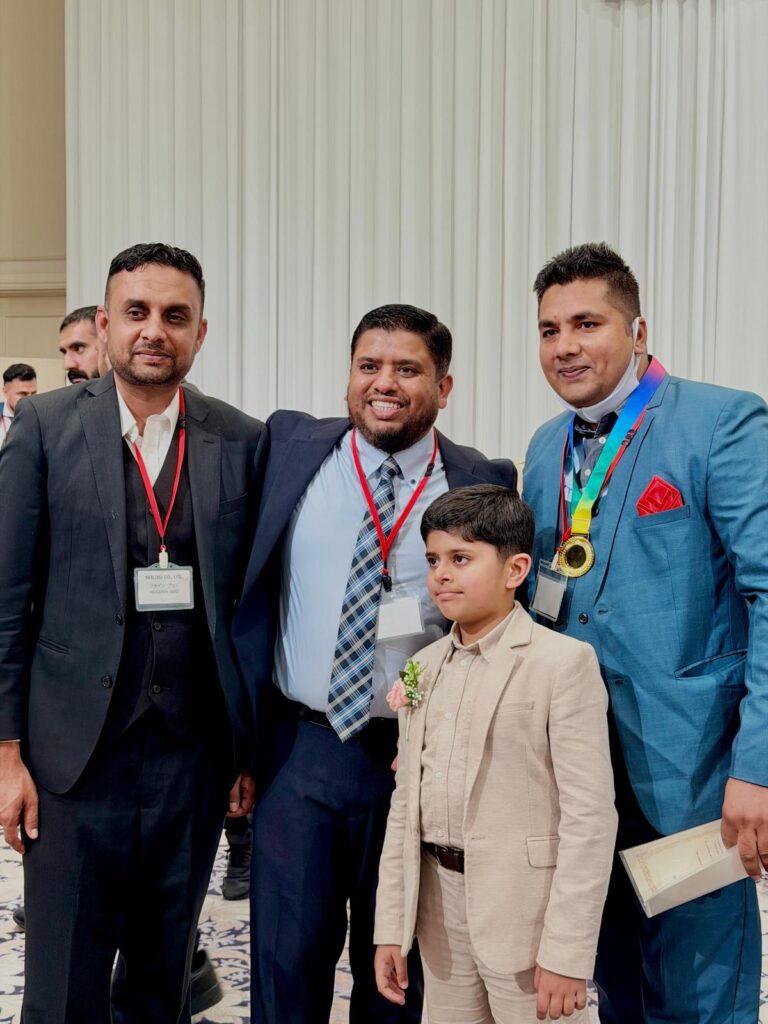
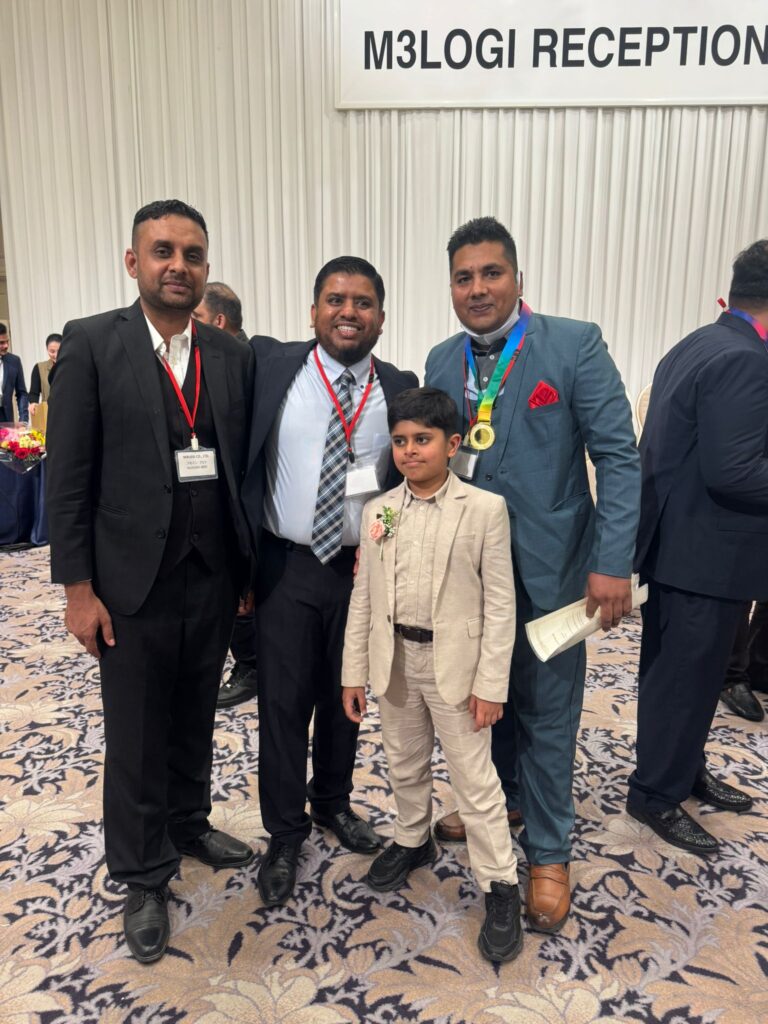
Under his guidance, M3LOGI expanded its reach beyond Japan into regions such as South Africa, Mozambique, Chile and Pakistan. Sales grew rapidly, new opportunities opened for employees and the company gained recognition among global buyers and exporters. Muzammil’s ability to think ahead, manage teams and stay disciplined has been central to this progress.
His achievements show that success abroad is possible when leadership is honest, organised and forward-looking. The ten-year journey of M3LOGI reflects exactly that — a decade shaped by vision, innovation and consistent improvement.
In many ways, the rise of M3LOGI is a reflection of Muzammil Majeed’s dedication. His work proves that when focus and resilience come together, even the toughest markets can open their doors.
By. Irfan Siddiqui
Dr. Ali Farhan Razi, Vice Chairman of Dar ul Sehat Hospital and Liaquat College of Medicine and Dentistry, met with the Chairman of Karachi Port Trust, Rear Admiral (Retd) Shahid Ahmed SI (M) S Bt, on 4 December 2025 to discuss potential avenues of collaboration in the fields of public health, employee welfare, and community-focused initiatives. The meeting marked an important step toward building partnerships between leading healthcare institutions and one of Pakistan’s key public sector organizations.
During the discussion, Dr. Razi proposed the idea of jointly undertaking philanthropic initiatives aimed at improving access to healthcare awareness and preventive medical services. He highlighted the crucial role that KPT plays in the lives of its large workforce and the surrounding communities, and expressed interest in supporting programs that directly enhance the wellbeing of port employees and their families. Dr. Razi emphasized that Dar ul Sehat Hospital and Liaquat College of Medicine and Dentistry remain committed to expanding their outreach and serving underserved segments of society through structured partnerships.
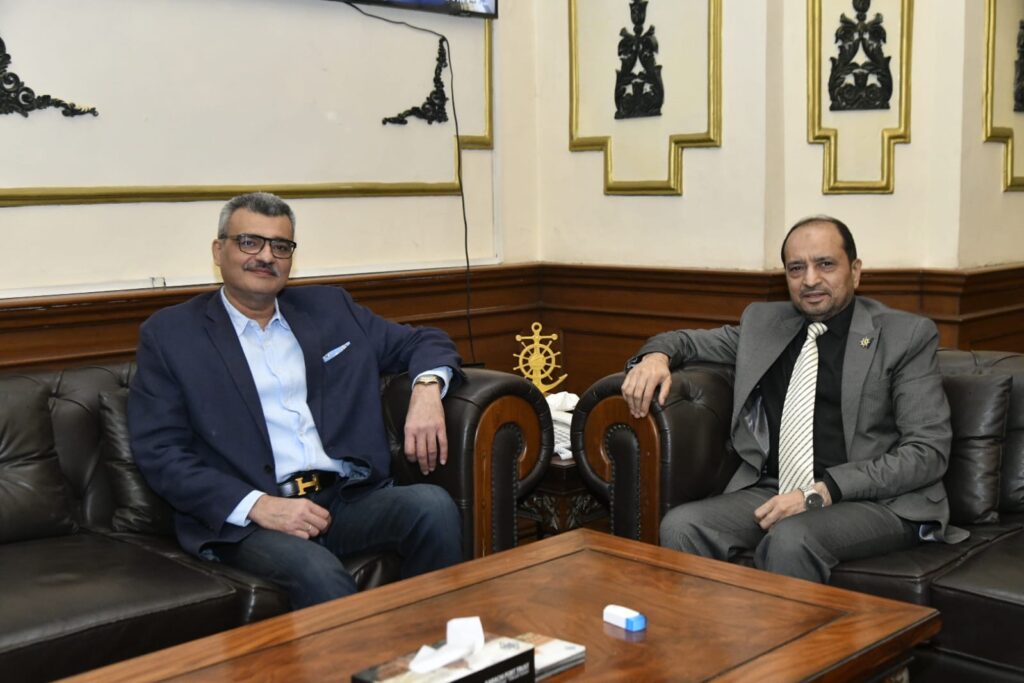
Chairman Shahid Ahmed welcomed the proposal, noting that employee welfare and community engagement are key priorities for KPT. He appreciated the interest shown by Dr. Razi and acknowledged the potential benefits of such collaboration, particularly in areas where technical medical expertise can significantly improve quality of life. The Chairman expressed confidence that coordinated efforts between KPT and reputable healthcare institutions could lead to impactful, long-term programs.
The two sides explored several potential areas of cooperation, including health awareness seminars, medical screening camps, staff training on emergency medical response, and specialized healthcare initiatives tailored to port workers. Discussions also touched on community-oriented projects that could extend beyond the KPT premises, offering healthcare support to neighborhoods located around the port area. Both sides agreed that structured, sustainable initiatives would create measurable improvements in overall health outcomes.
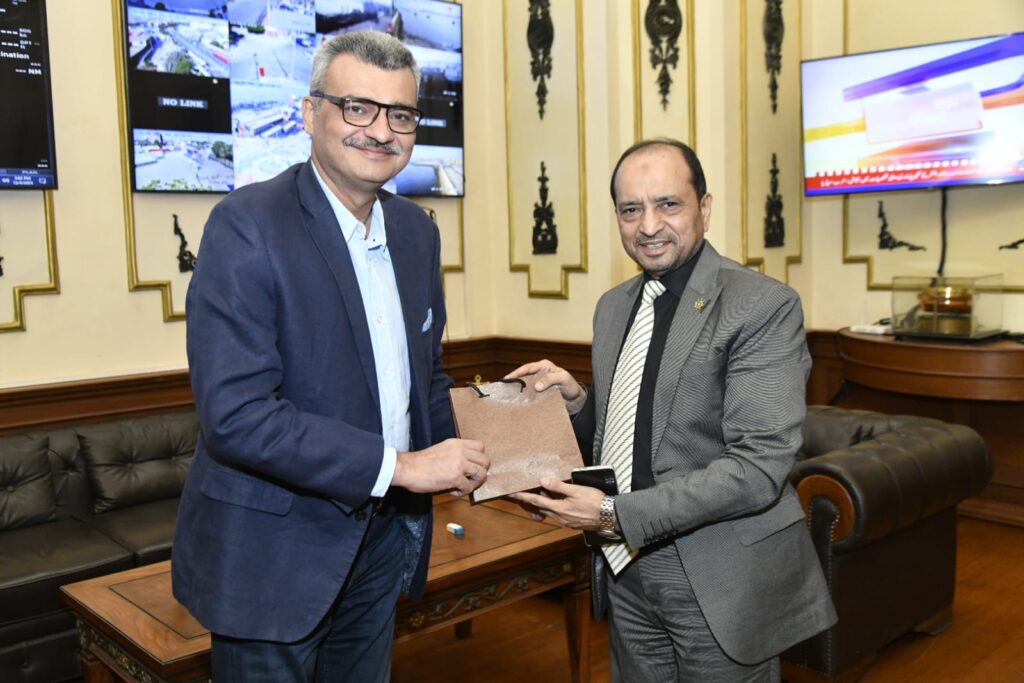
The meeting concluded on a positive note, with both parties expressing a shared commitment to advancing the welfare of the workforce and the general public. Follow-up interactions are expected in the coming weeks to finalize the scope of joint activities and outline specific implementation plans.
The engagement between Dr. Razi and Chairman Shahid Ahmed reflects a growing recognition of the importance of public-private partnerships in strengthening healthcare systems and advancing social welfare across Karachi.
By Dr Ali Farhan Razi
Pakistan’s healthcare sector has witnessed a remarkable transformation over the past decade. Once struggling with limited infrastructure and uneven access to medical services, the country is now steadily moving toward a stronger and more modern healthcare system. At the heart of this progress lies the continuous improvement in medical education, which has become a foundation for advancing the quality of healthcare across the nation.
In recent years, the number of medical colleges and universities in Pakistan has increased significantly. More importantly, these institutions are now focused on improving the quality of education rather than merely expanding in quantity. The Pakistan Medical and Dental Council (PMDC) and the Higher Education Commission (HEC) have introduced new standards to ensure academic excellence. These reforms emphasize qualified faculty, modern curricula, and advanced training systems that align with international medical education practices.
Today’s medical students in Pakistan are no longer confined to traditional methods of learning. They have access to digital laboratories, clinical simulators, and advanced research opportunities that help them understand practical medicine in real-world settings. Institutions in major cities such as Karachi, Lahore, Islamabad, Peshawar, and Quetta are adopting global best practices in medical teaching and clinical training. Some of these institutions have even earned recognition in regional and international rankings, reflecting Pakistan’s growing academic credibility in the medical field.
One of the strongest indicators of progress is the global recognition of Pakistani medical graduates. Thousands of doctors trained in Pakistan are serving in the United Kingdom, the United States, the Middle East, and Japan, where they are respected for their skill, commitment, and professionalism. This international presence speaks volumes about the rising standards of Pakistan’s medical education system and its ability to produce doctors capable of competing on a global scale.
Government initiatives have also played a vital role in strengthening healthcare delivery. The introduction of universal health insurance programs such as the Sehat Card, the construction of new hospitals, and the establishment of nursing and paramedical training institutes represent major steps toward a more inclusive healthcare system. Meanwhile, the private sector continues to contribute by investing in technologically advanced hospitals and medical research centers, filling critical gaps in specialized care and innovation.
However, challenges remain. Many rural areas still suffer from inadequate healthcare facilities, a shortage of doctors, and limited access to diagnostic technologies. Bridging this urban-rural healthcare divide is essential to achieving equitable progress. Continuous investment in medical research, better incentives for healthcare workers, and strong public-private partnerships will be crucial to sustaining the positive momentum.
Pakistan’s medical education and healthcare system are on a promising path. The blend of young talent, institutional reform, and technological advancement is creating a more resilient and modern healthcare framework. With consistent effort and policy continuity, Pakistan is well-positioned to become one of the leading healthcare and medical education hubs in the region — a country where the healing hands of doctors trained at home continue to bring pride both domestically and abroad.
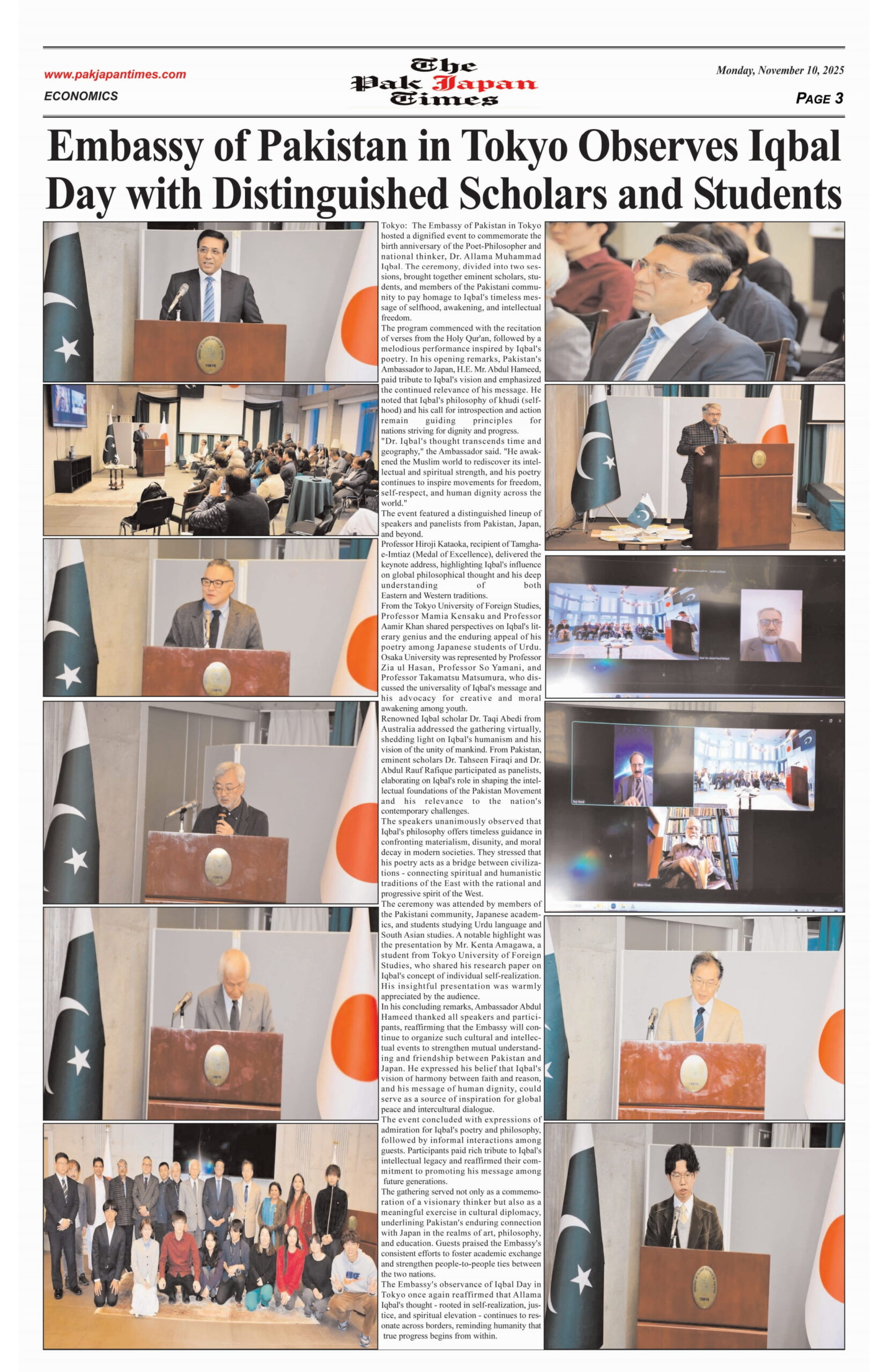
Tokyo, November 9, 2025
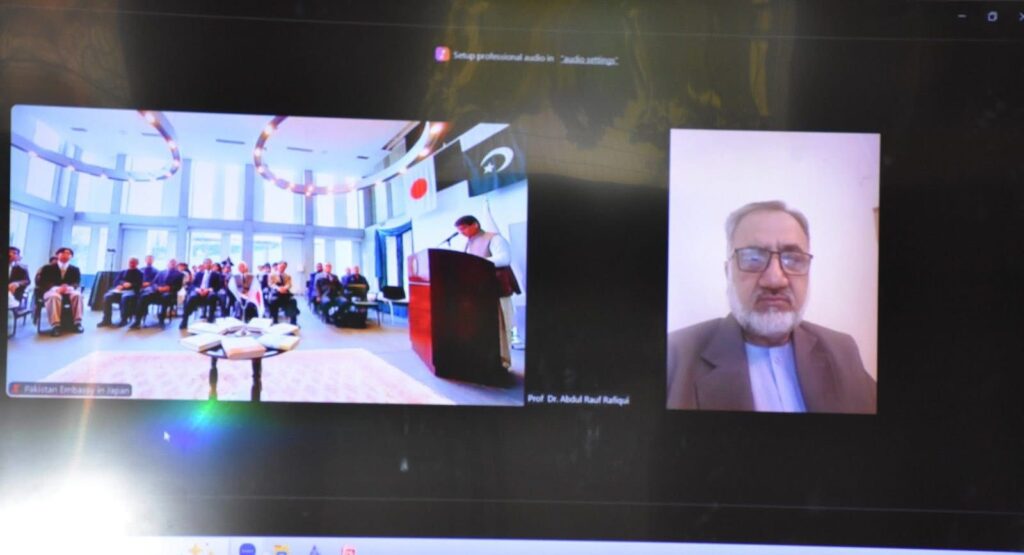
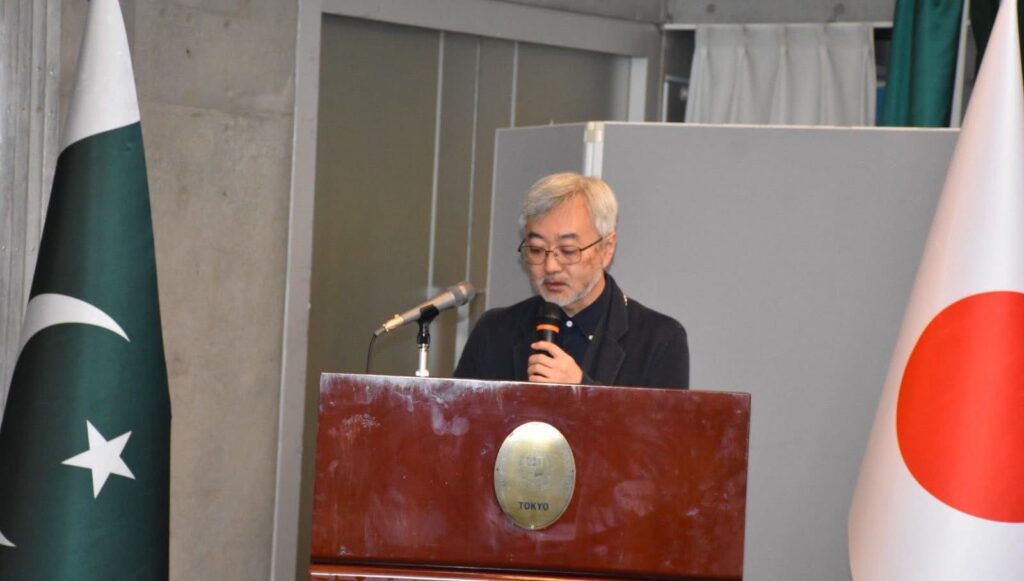
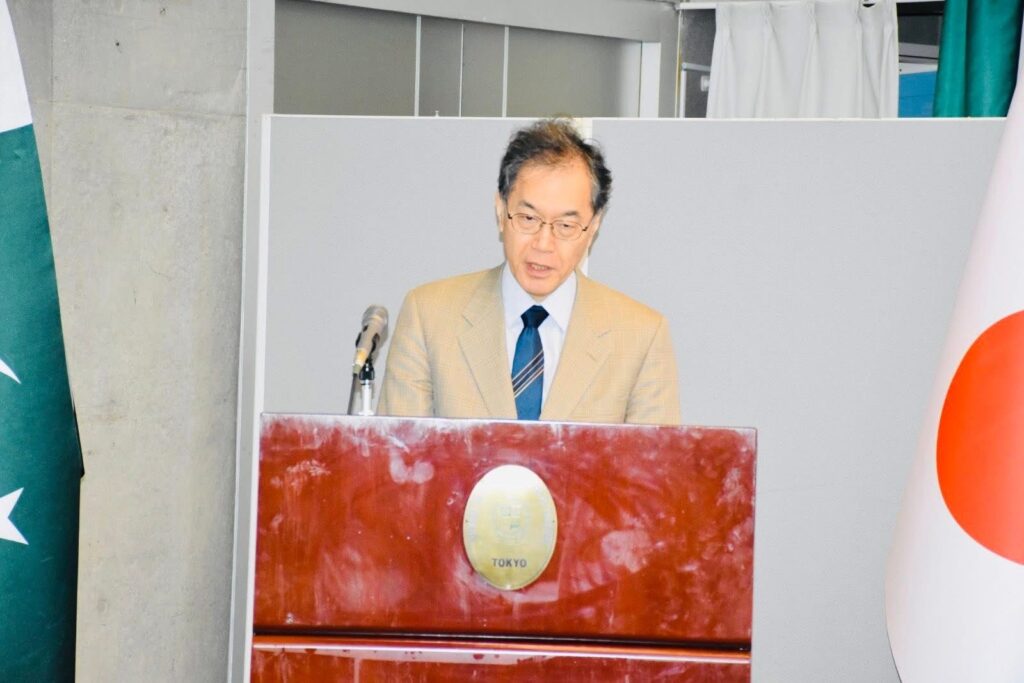
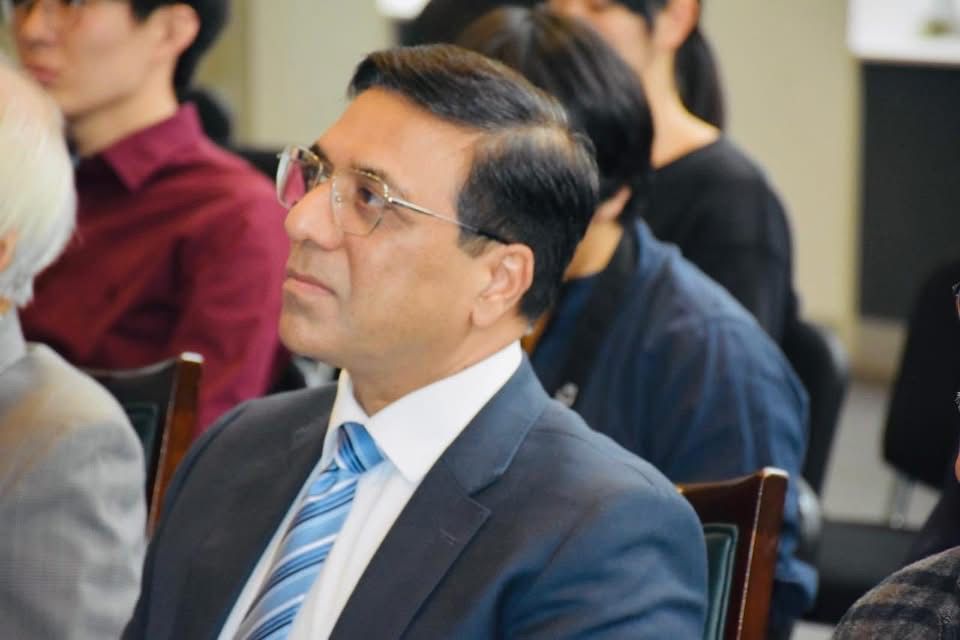
The Embassy of Pakistan in Tokyo hosted a dignified event to commemorate the birth anniversary of the Poet-Philosopher and national thinker, Dr. Allama Muhammad Iqbal. The ceremony, divided into two sessions, brought together eminent scholars, students, and members of the Pakistani community to pay homage to Iqbal’s timeless message of selfhood, awakening, and intellectual freedom.
The program commenced with the recitation of verses from the Holy Qur’an, followed by a melodious performance inspired by Iqbal’s poetry. In his opening remarks, Pakistan’s Ambassador to Japan, H.E. Mr. Abdul Hameed, paid tribute to Iqbal’s vision and emphasized the continued relevance of his message. He noted that Iqbal’s philosophy of khudi (selfhood) and his call for introspection and action remain guiding principles for nations striving for dignity and progress.
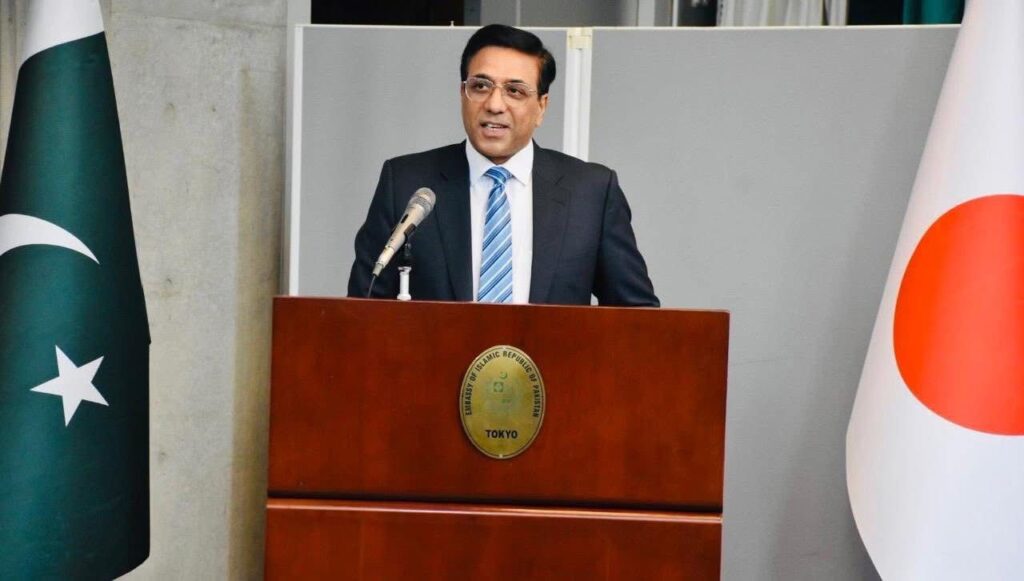
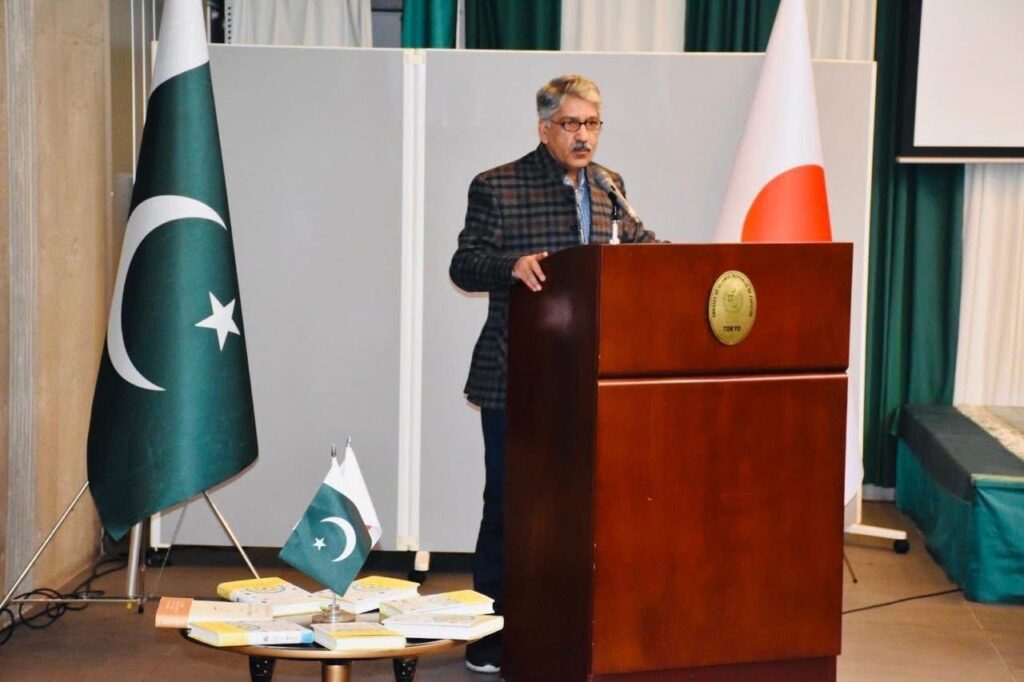
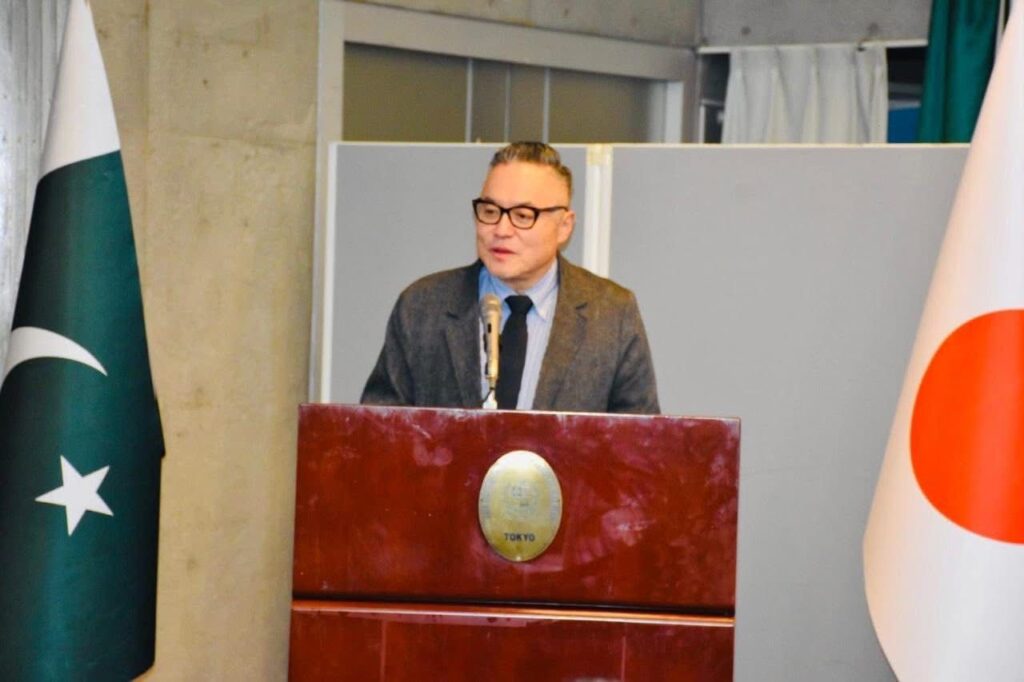
“Dr. Iqbal’s thought transcends time and geography,” the Ambassador said. “He awakened the Muslim world to rediscover its intellectual and spiritual strength, and his poetry continues to inspire movements for freedom, self-respect, and human dignity across the world.”
The event featured a distinguished lineup of speakers and panelists from Pakistan, Japan, and beyond.
Professor Hiroji Kataoka, recipient of Tamgha-e-Imtiaz (Medal of Excellence), delivered the keynote address, highlighting Iqbal’s influence on global philosophical thought and his deep understanding of both Eastern and Western traditions.
From the Tokyo University of Foreign Studies, Professor Mamia Kensaku and Professor Aamir Khan shared perspectives on Iqbal’s literary genius and the enduring appeal of his poetry among Japanese students of Urdu. Osaka University was represented by Professor Zia ul Hasan, Professor So Yamani, and Professor Takamatsu Matsumura, who discussed the universality of Iqbal’s message and his advocacy for creative and moral awakening among youth.
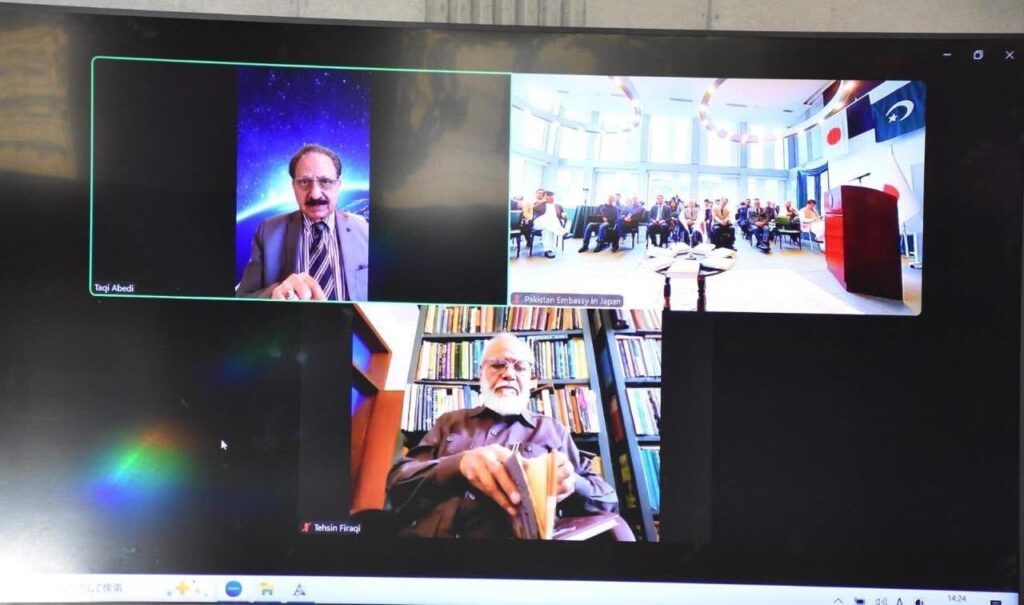
Renowned Iqbal scholar Dr. Taqi Abedi from Australia addressed the gathering virtually, shedding light on Iqbal’s humanism and his vision of the unity of mankind. From Pakistan, eminent scholars Dr. Tahseen Firaqi and Dr. Abdul Rauf Rafique participated as panelists, elaborating on Iqbal’s role in shaping the intellectual foundations of the Pakistan Movement and his relevance to the nation’s contemporary challenges.
The speakers unanimously observed that Iqbal’s philosophy offers timeless guidance in confronting materialism, disunity, and moral decay in modern societies. They stressed that his poetry acts as a bridge between civilizations — connecting spiritual and humanistic traditions of the East with the rational and progressive spirit of the West.
The ceremony was attended by members of the Pakistani community, Japanese academics, and students studying Urdu language and South Asian studies. A notable highlight was the presentation by Mr. Kenta Amagawa, a student from Tokyo University of Foreign Studies, who shared his research paper on Iqbal’s concept of individual self-realization. His insightful presentation was warmly appreciated by the audience.
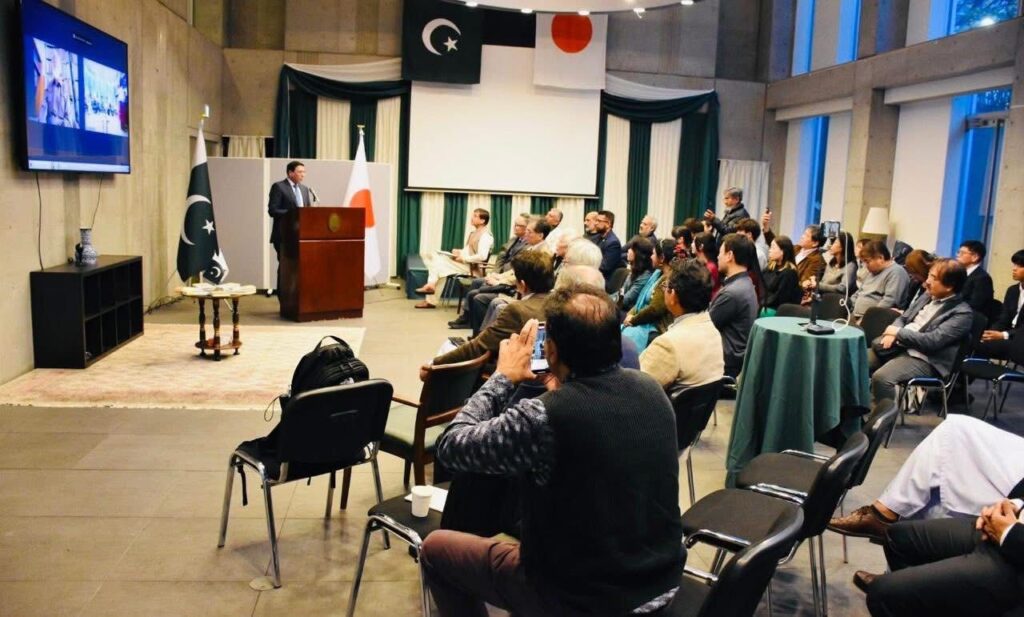
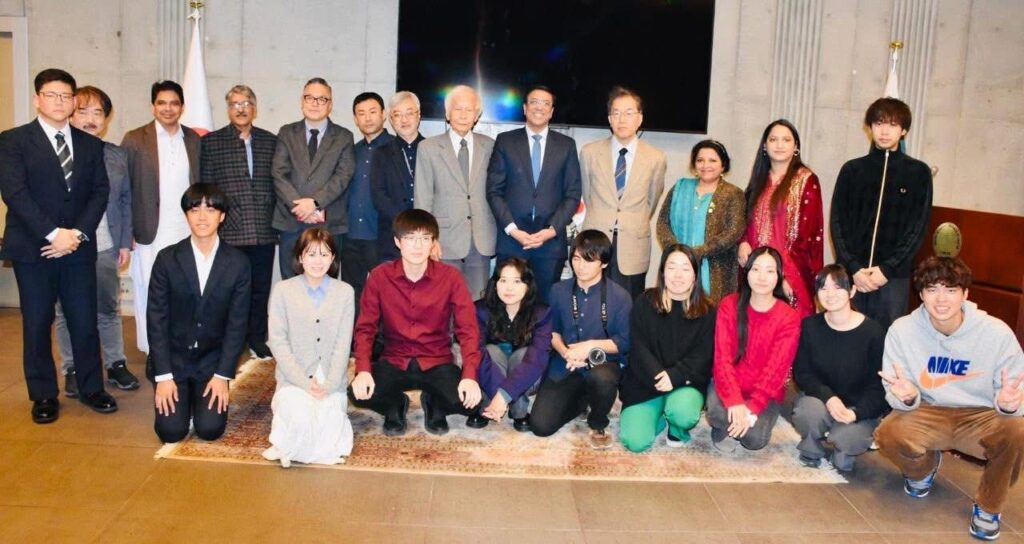
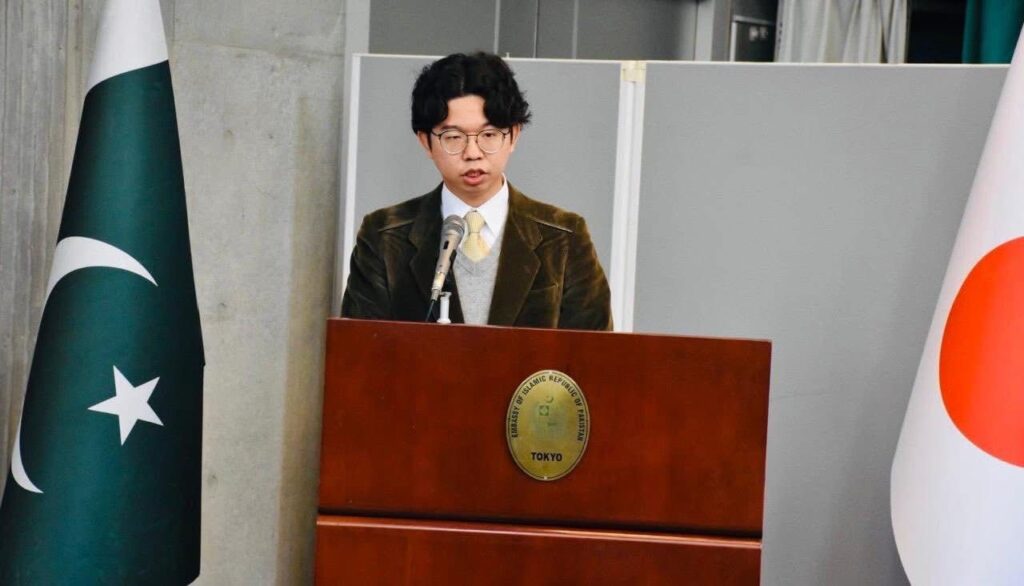
In his concluding remarks, Ambassador Abdul Hameed thanked all speakers and participants, reaffirming that the Embassy will continue to organize such cultural and intellectual events to strengthen mutual understanding and friendship between Pakistan and Japan. He expressed his belief that Iqbal’s vision of harmony between faith and reason, and his message of human dignity, could serve as a source of inspiration for global peace and intercultural dialogue.
The event concluded with expressions of admiration for Iqbal’s poetry and philosophy, followed by informal interactions among guests. Participants paid rich tribute to Iqbal’s intellectual legacy and reaffirmed their commitment to promoting his message among future generations.
The gathering served not only as a commemoration of a visionary thinker but also as a meaningful exercise in cultural diplomacy, underlining Pakistan’s enduring connection with Japan in the realms of art, philosophy, and education. Guests praised the Embassy’s consistent efforts to foster academic exchange and strengthen people-to-people ties between the two nations.
The Embassy’s observance of Iqbal Day in Tokyo once again reaffirmed that Allama Iqbal’s thought — rooted in self-realization, justice, and spiritual elevation — continues to resonate across borders, reminding humanity that true progress begins from within.