

By Irfan Siddiqui
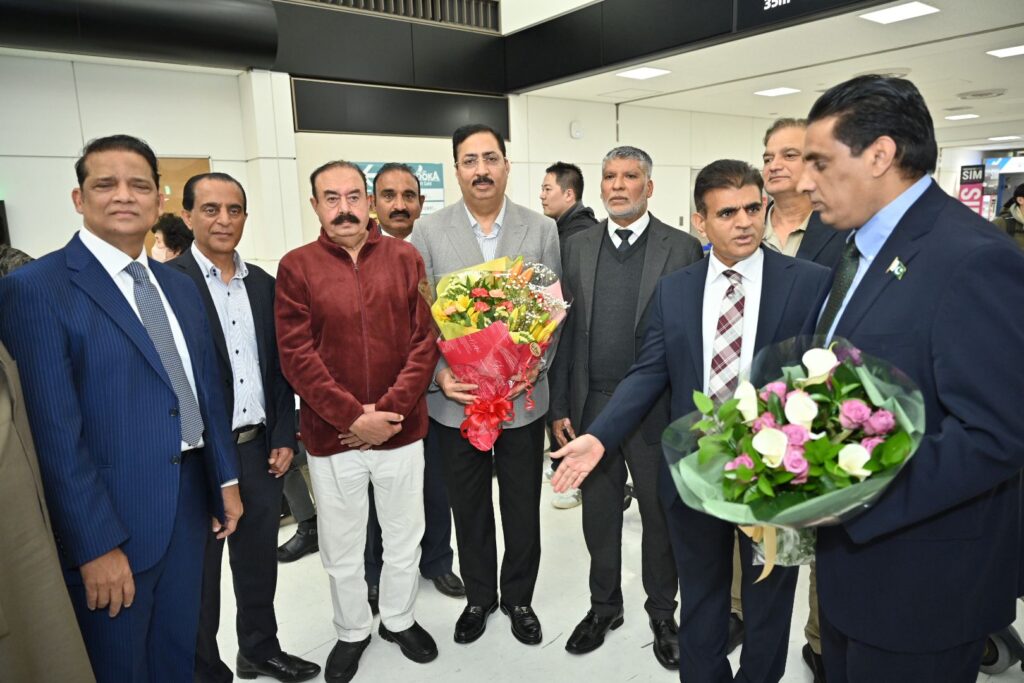
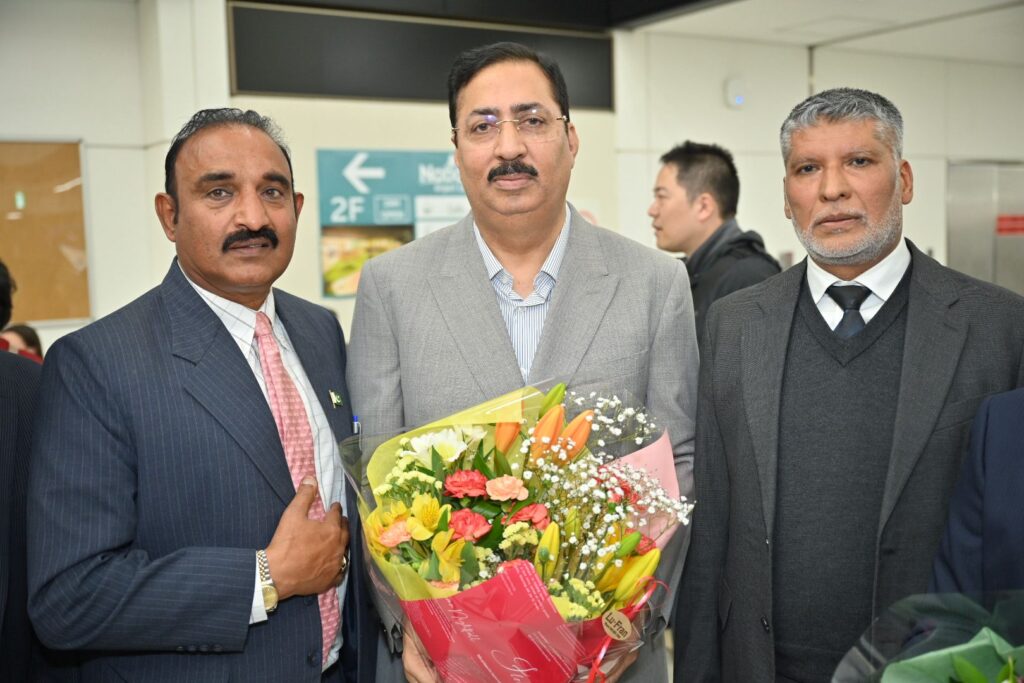
Chairman of the Overseas Pakistan Foundation (OPF), Syed Qamar Raza Shah, arrived in Japan on a five-day official visit and received a grand and heartfelt welcome from the Pakistani community. At the airport, he was warmly received by Pakistan Muslim League (N) Japan President Malik Noor Awan, prominent community leader Asad Nawaz Khan, and OPF Board of Governors member Chaudhry Asif Mahmood. A large number of overseas Pakistanis were also present, reflecting the strong unity and enthusiasm within the community.

The reception was exceptionally well-organized and highlighted the dedication of key community figures. Malik Noor Awan, Asad Nawaz Khan, and Chaudhry Asif Mahmood were widely appreciated for their tireless efforts in facilitating this important visit. Their commitment and personal contributions made the visit possible, demonstrating true leadership and service to the Pakistani diaspora in Japan.


On the first day of his visit, an open forum was arranged where Syed Qamar Raza Shah directly engaged with overseas Pakistanis. He attentively listened to their concerns and assured them that practical and effective steps would be taken to address their issues. In his address, he clearly stated that his visit was not political in nature and that he does not represent any political party, but rather serves as a representative of overseas Pakistanis.
He emphasized that overseas Pakistanis are a valuable asset to the country and have consistently played a vital role in strengthening Pakistan’s economy. He expressed his desire to see overseas Pakistanis united and connected, forming a strong global community that continues to support the nation.

Syed Qamar Raza Shah also paid tribute to the Pakistan Armed Forces, acknowledging their sacrifices and bravery as they continue to defend the country on multiple fronts. He stated that overseas Pakistanis stand firmly with the nation and its armed forces, sharing in the grief of martyrs and honoring their sacrifices with pride.
He expressed confidence that Pakistan will overcome its current economic challenges and emerge as a stronger and more stable nation in the near future. He reaffirmed OPF’s commitment to serving overseas Pakistanis and ensuring their voices are heard and addressed effectively.
The visit reflects a strong connection between leadership and the overseas community, reinforcing unity, trust, and a shared vision for Pakistan’s progress.


By. Irfan Siddiqui
Quetta: In a commendable effort to support underprivileged communities during the holy month of Ramadan, Deputy Chairman Senate Syedal Khan Nasir has initiated the distribution of ration among deserving families in Quetta. Under this welfare initiative, ration is being provided to around 1,000 low-income households across various مناطق of the city, including Sariab, Nawan Killi, Kachlak, and surrounding areas.
The distribution drive aims to ease the financial burden on struggling families, particularly during Ramadan when expenses tend to increase. Essential food items are being provided to ensure that these families can observe the holy month with dignity and without worrying about their basic needs.



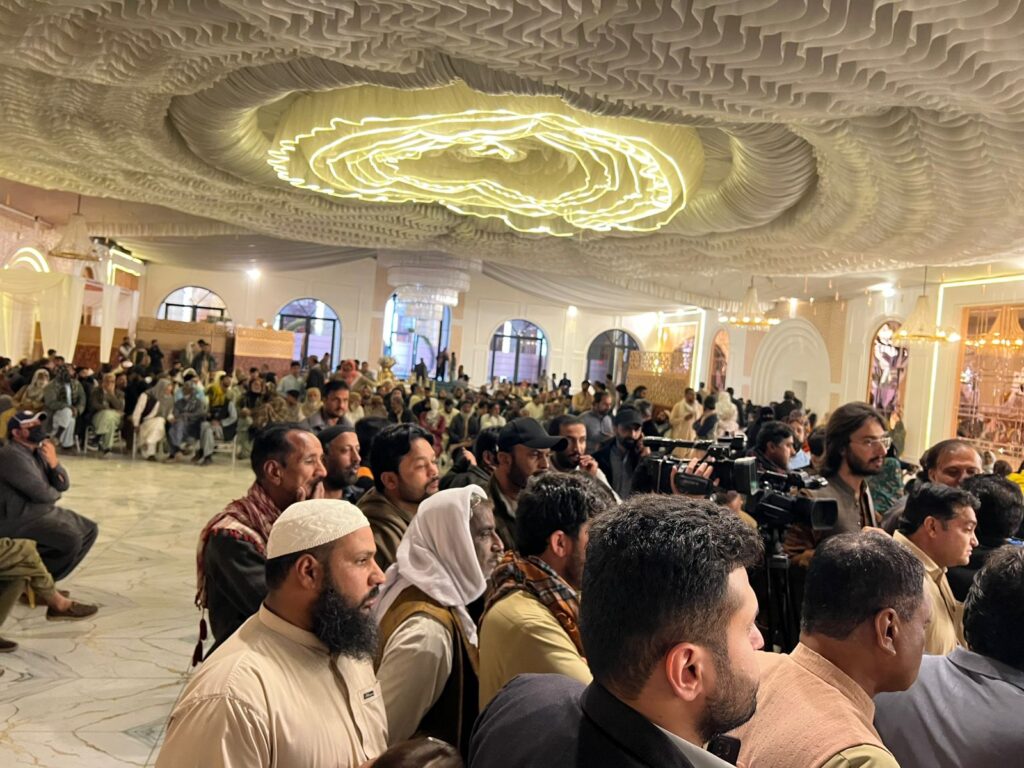
Speaking on the occasion, Syedal Khan Nasir emphasized the significance of Ramadan as a month of compassion, patience, and generosity. He stated that Ramadan teaches the values of sacrifice, perseverance, and caring for those who are less fortunate. He added that it is the collective responsibility of society to support vulnerable segments, especially during such spiritually significant times.

He further highlighted that initiatives like these are not only acts of charity but also steps toward building a more inclusive and caring society. According to him, helping those in need strengthens social bonds and promotes a sense of unity within communities.
The Deputy Chairman Senate also urged citizens to actively participate in welfare activities and contribute towards the betterment of society. He stressed that every individual has a role to play in the progress and prosperity of Pakistan. By supporting each other and working collectively, the nation can move towards becoming a stronger and more stable state.
Local residents expressed their gratitude for the timely assistance, noting that such efforts bring much-needed relief during Ramadan. Many beneficiaries shared that rising costs of living had made it difficult for them to manage daily expenses, and the ration distribution had significantly helped them.
The initiative reflects Syedal Khan Nasir’s continued commitment to public welfare and social responsibility. His efforts have been widely appreciated by community members, who see such actions as a positive example of leadership focused on the well-being of the people.
As Ramadan continues, such humanitarian initiatives serve as a reminder of the importance of empathy, generosity, and collective responsibility in creating a more compassionate society.









By Irfan Siddiqui
A special Iftar dinner was organized in Tokyo in honor of the Pakistani community, bringing together a large number of Pakistanis living across Japan. The gathering was hosted by senior Pakistani and Member of the Board of Governors of the Overseas Pakistanis Foundation, Chaudhry Asif Mahmood.
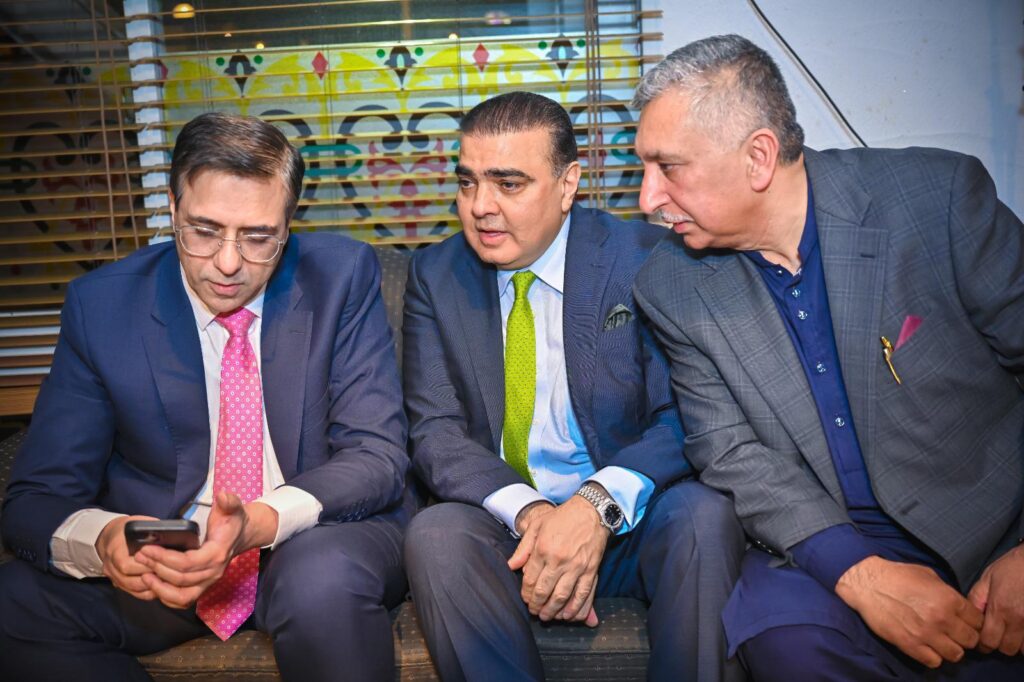
The event took place at Siddique Palace Front, located at Tokyo Tower, and was attended by the Ambassador of Pakistan to Japan, Abdul Hamid, as the chief guest. The dinner provided a valuable opportunity for members of the Pakistani community to come together during the holy month of Ramadan and share the spirit of unity and brotherhood.


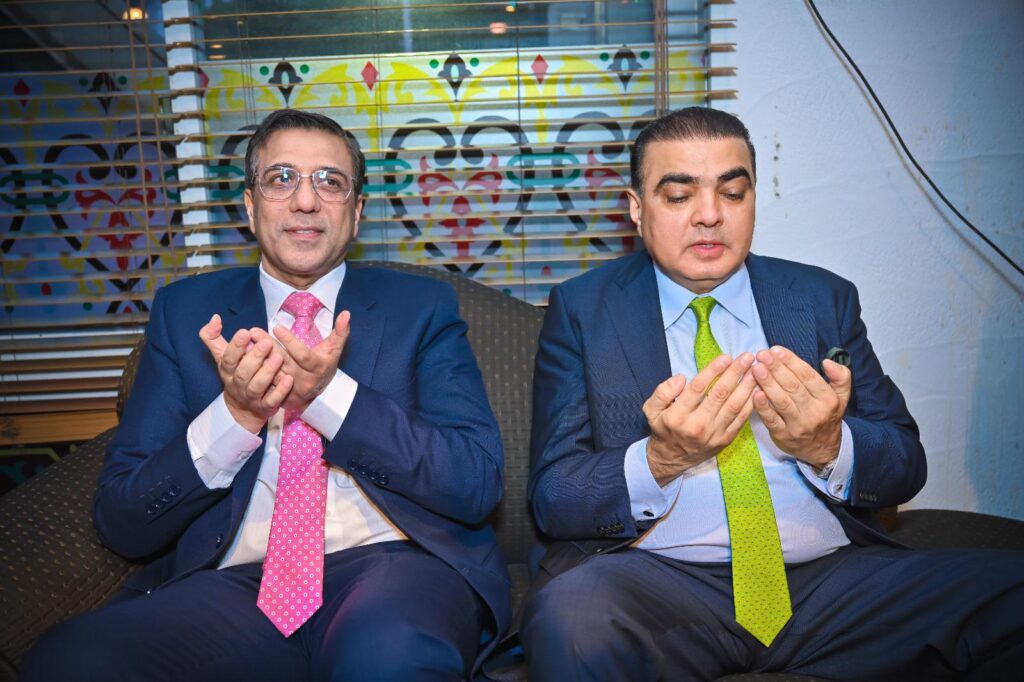


A notable feature of the event was the strong participation from the Pakistani community living in different parts of Japan. Many Pakistanis traveled from distant cities to attend the gathering, reflecting the close bonds that connect overseas Pakistanis with each other. Community members from various professional and social backgrounds joined the event, making it a lively and meaningful occasion.
Before the Iftar, guests had the opportunity to interact, meet friends, and reconnect with fellow Pakistanis. The atmosphere remained warm and welcoming as people shared conversations and strengthened community ties. The gathering also highlighted the importance of unity among overseas Pakistanis and the role of such events in maintaining cultural and social connections.















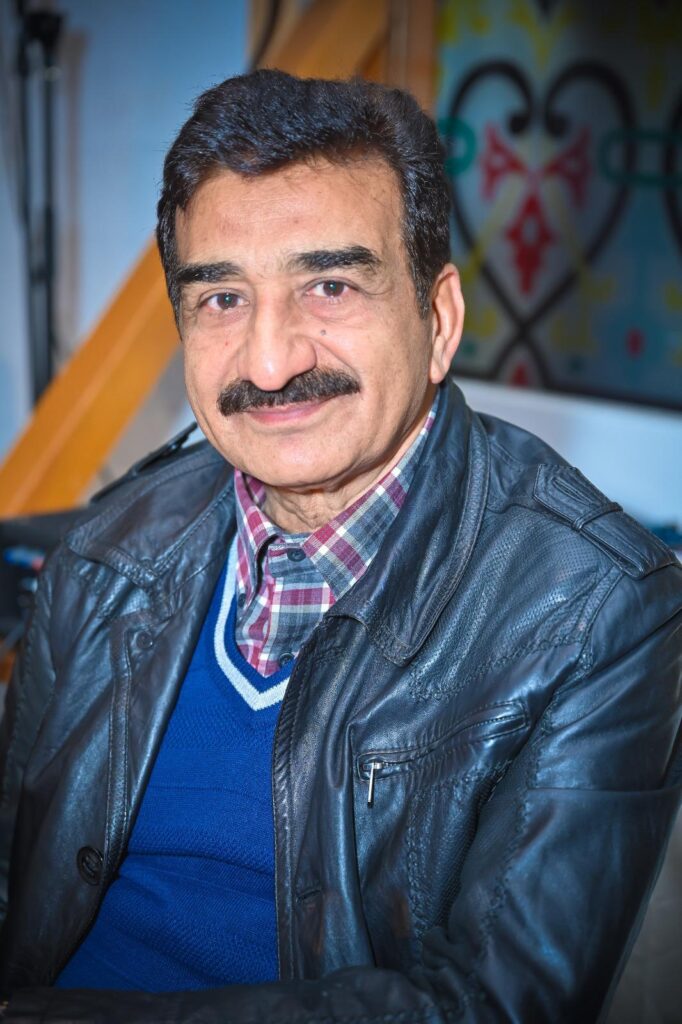



Speaking on the occasion, Chaudhry Asif Mahmood thanked all the guests for their participation and expressed his appreciation for the strong sense of community among Pakistanis living in Japan. He said that Pakistanis abroad form a large family, and gatherings like these provide an important opportunity to stay connected and support one another.

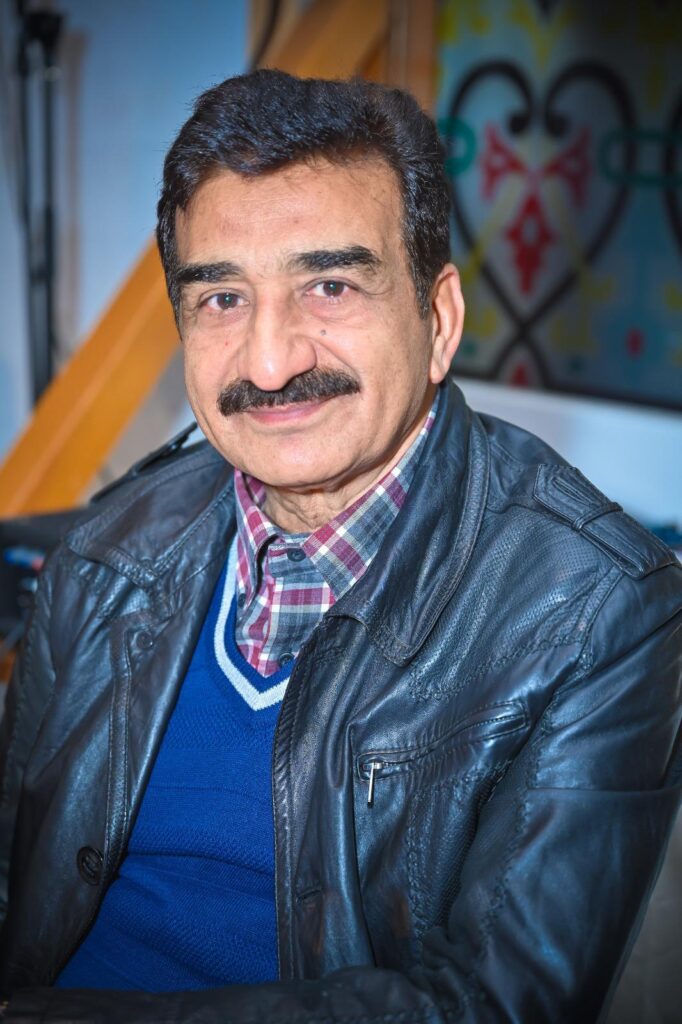



Participants appreciated the arrangements and thanked the host for organizing the event. They also expressed hope that similar community gatherings would continue in the future, helping to further strengthen the bonds within the Pakistani community in Japan.
The Embassy of Pakistan, Tokyo Hosts Tourism Promotion Event
Tokyo, 14th March 2026. The Embassy of Pakistan in Tokyo organized a tourism promotion event in collaboration with Saiyu Travels to highlight Pakistan’s vast tourism potential and diverse travel experiences.


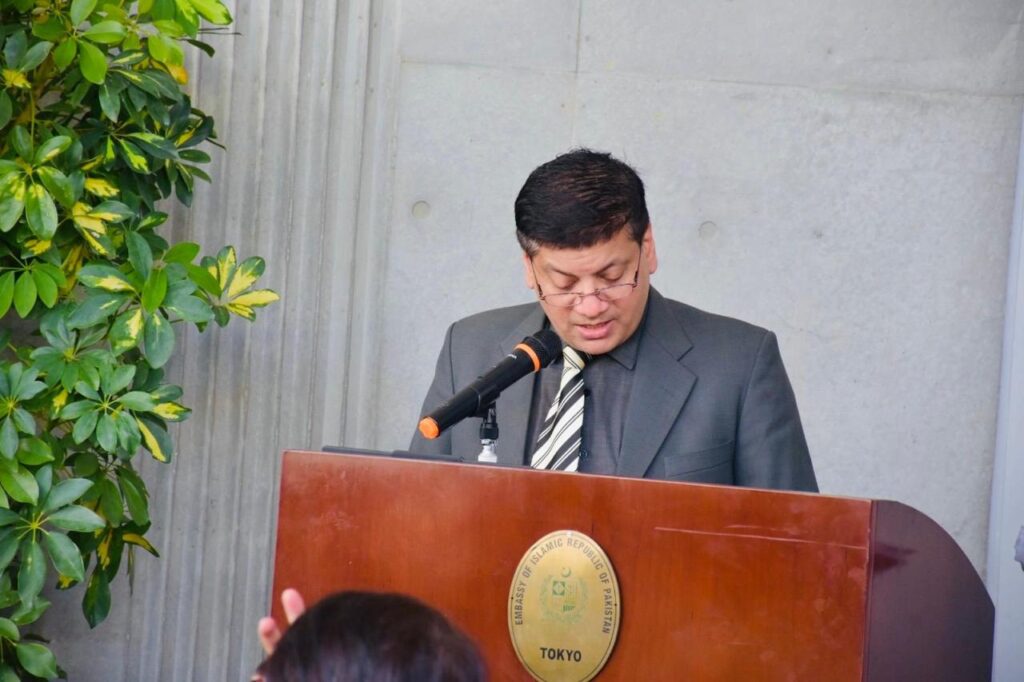
Ambassador Abdul Hameed addressed the participants and underscored that Pakistan offers a unique blend of breathtaking natural beauty, majestic mountain landscapes, rich cultural heritage, and historical sites. He noted that these attractions make Pakistan an appealing destination for tourists.

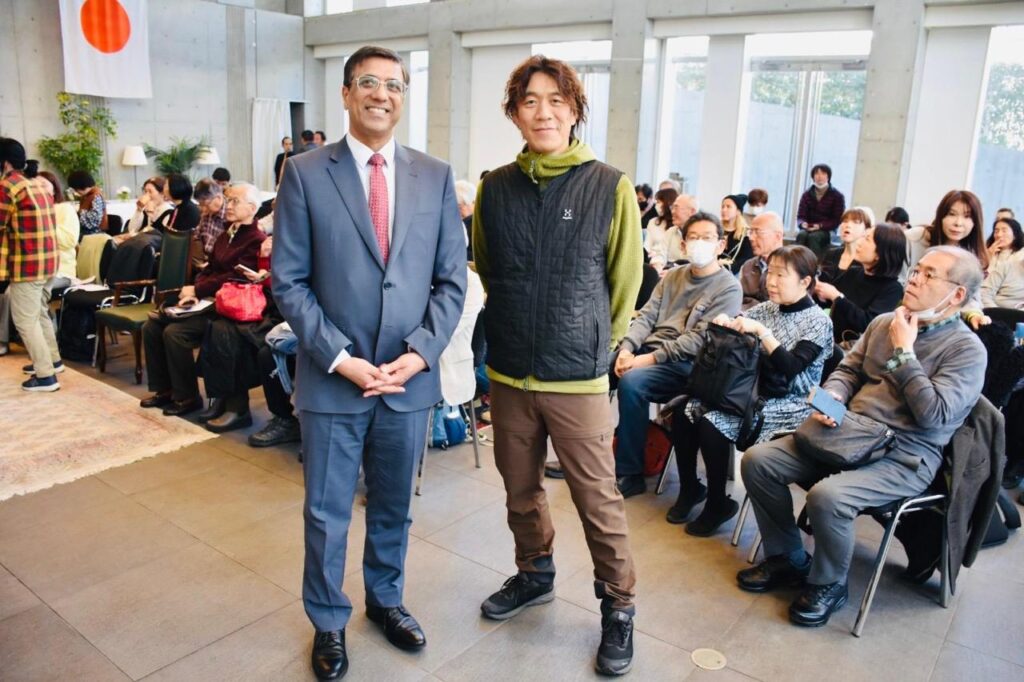
The Ambassador also emphasized the importance of strengthening tourism linkages between Pakistan and Japan and encouraged people-to-people exchanges through travel and cultural interaction. He highlighted the growing interest among international travelers in exploring Pakistan’s scenic areas, the ancient civilisation, and vibrant cultural traditions.
During the event, the Press Counsellor of the Embassy delivered a detailed presentation highlighting Pakistan’s tourism potential, including its spectacular mountain ranges, historical landmarks, diverse cultural heritage, and opportunities for adventure and eco-tourism.
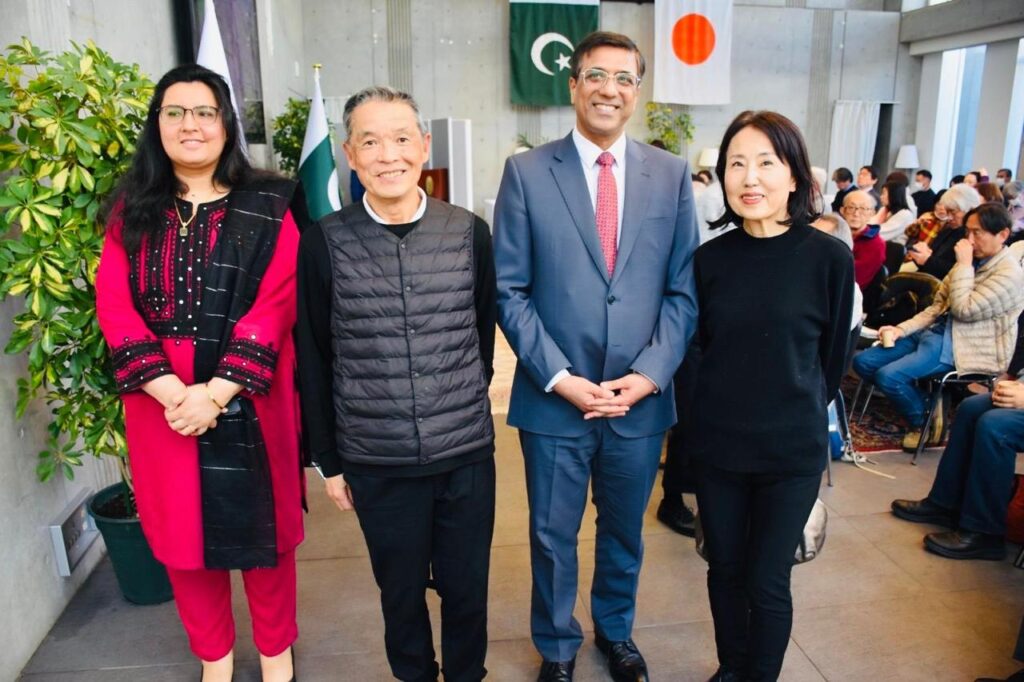
The event brought together travel professionals, tourism stakeholders, and enthusiasts, providing a platform to showcase Pakistan’s diverse tourism offerings. The Embassy appreciated the active participation of attendees, which reflected the increasing curiosity and enthusiasm among Japanese travelers to explore Pakistan.