By Irfan Siddiqui
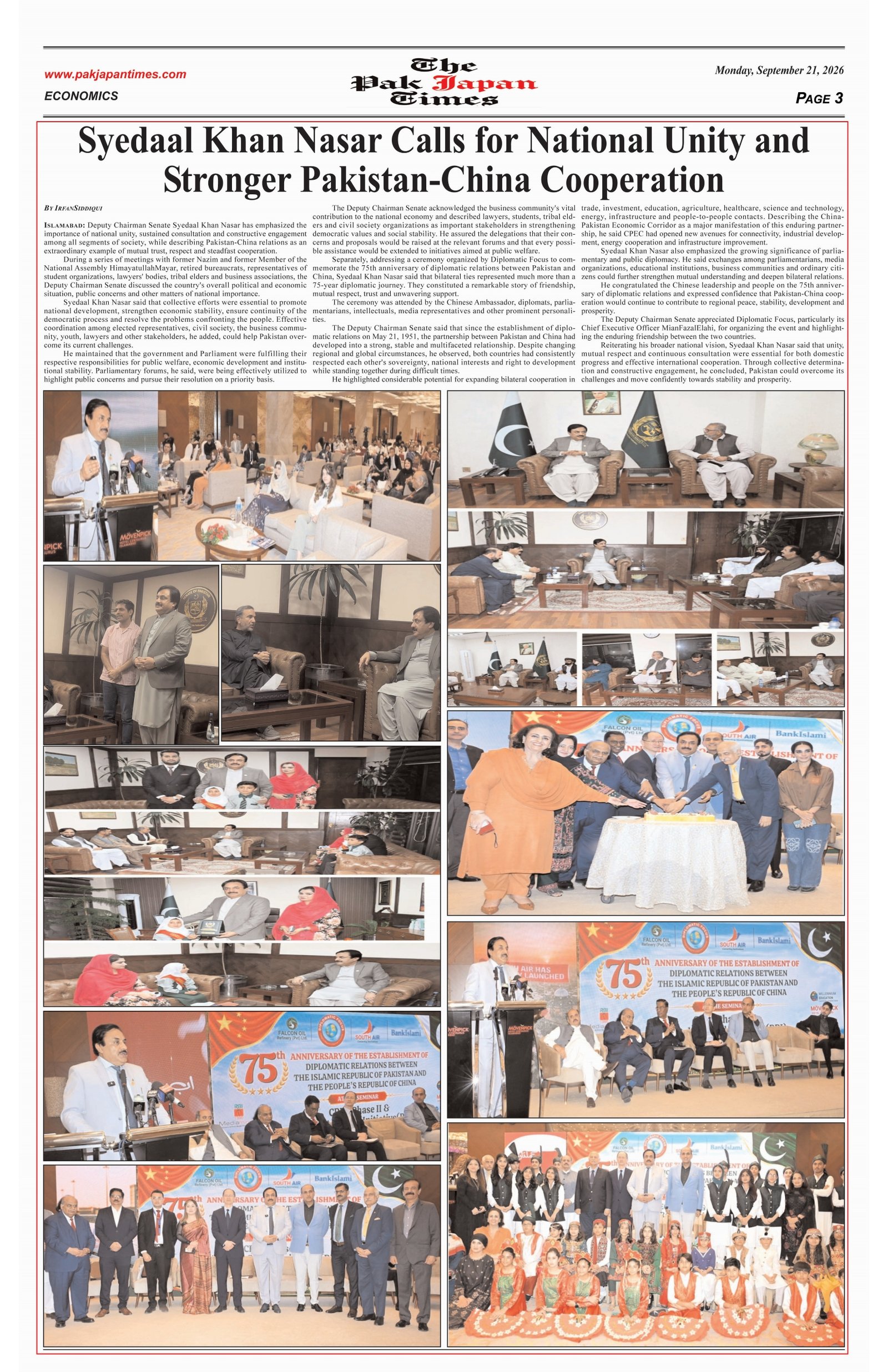
ISLAMABAD: Deputy Chairman Senate Syedaal Khan Nasar has emphasized the importance of national unity, sustained consultation and constructive engagement among all segments of society, while describing Pakistan-China relations as an extraordinary example of mutual trust, respect and steadfast cooperation.
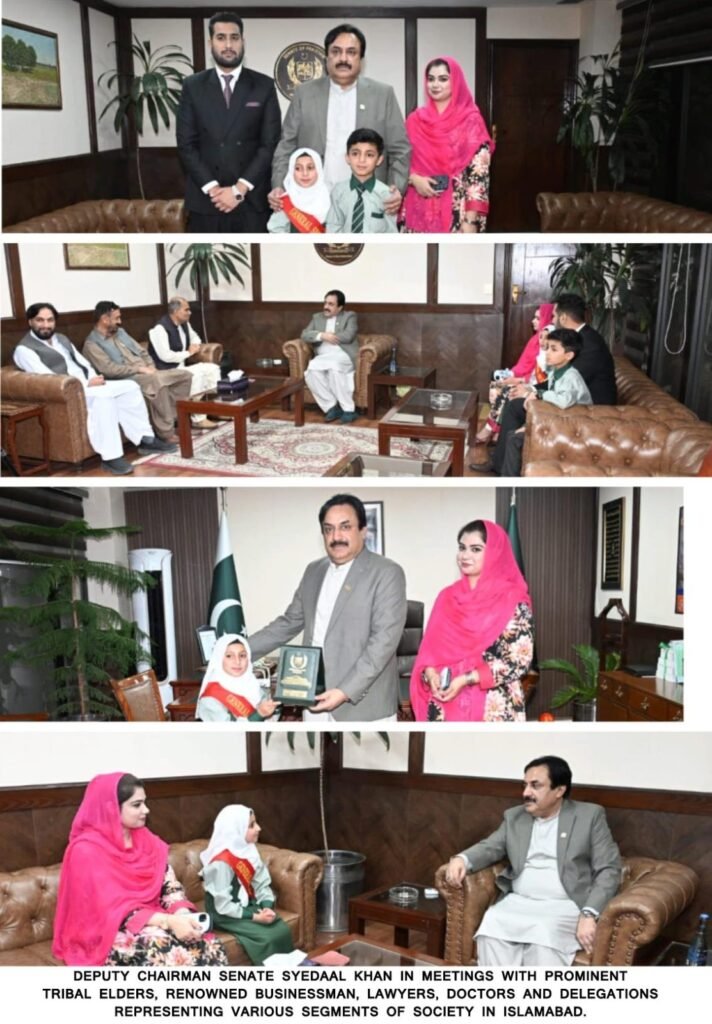
During a series of meetings with former Nazim and former Member of the National Assembly Himayatullah Mayar, retired bureaucrats, representatives of student organizations, lawyers’ bodies, tribal elders and business associations, the Deputy Chairman Senate discussed the country’s overall political and economic situation, public concerns and other matters of national importance.
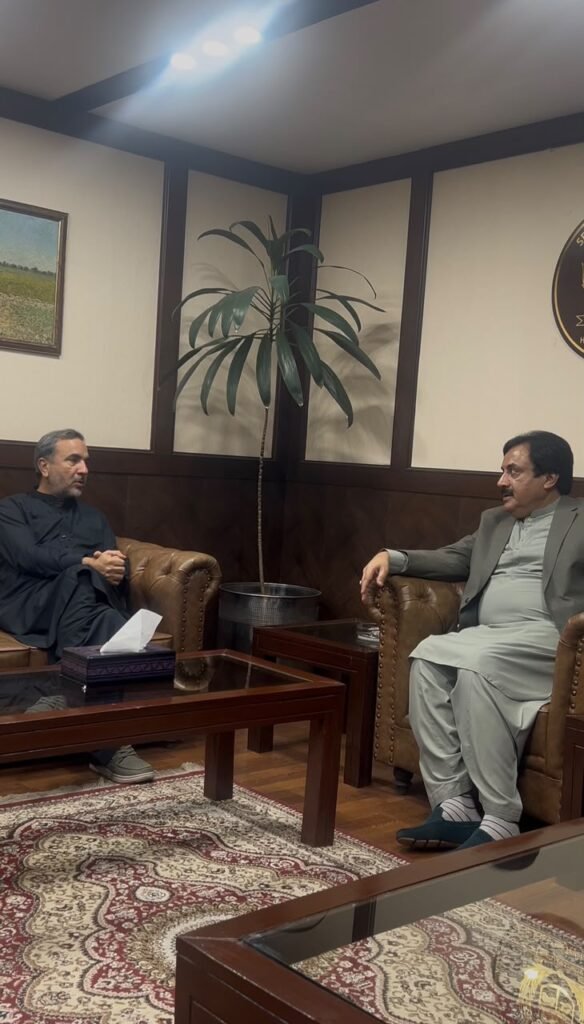
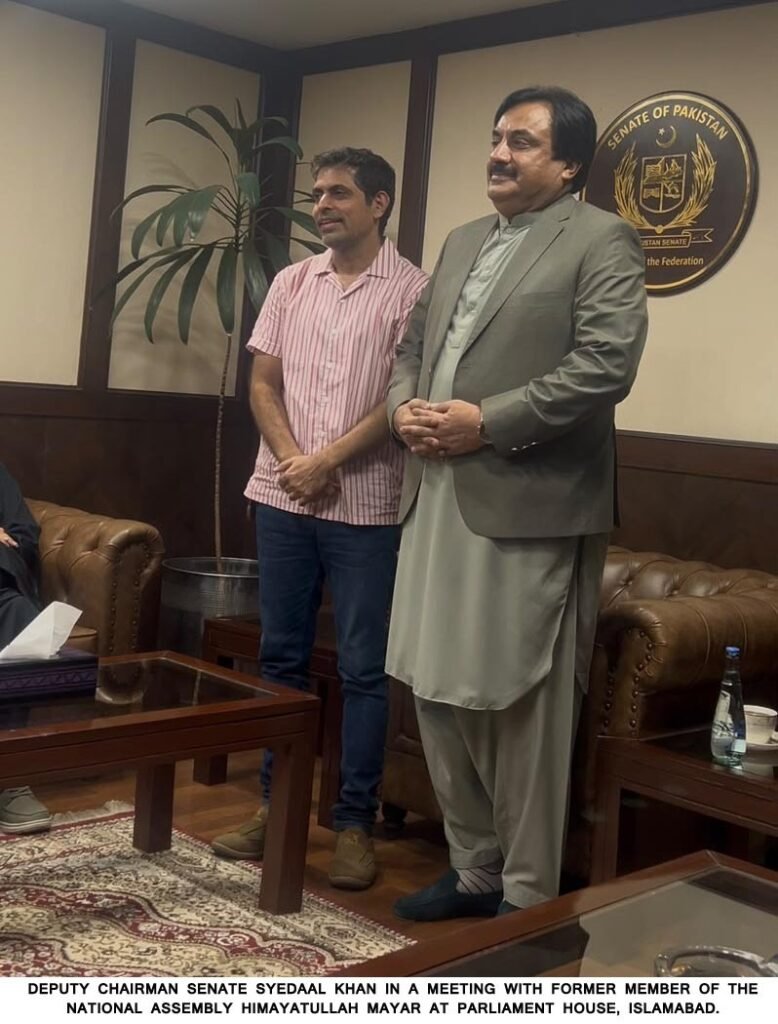
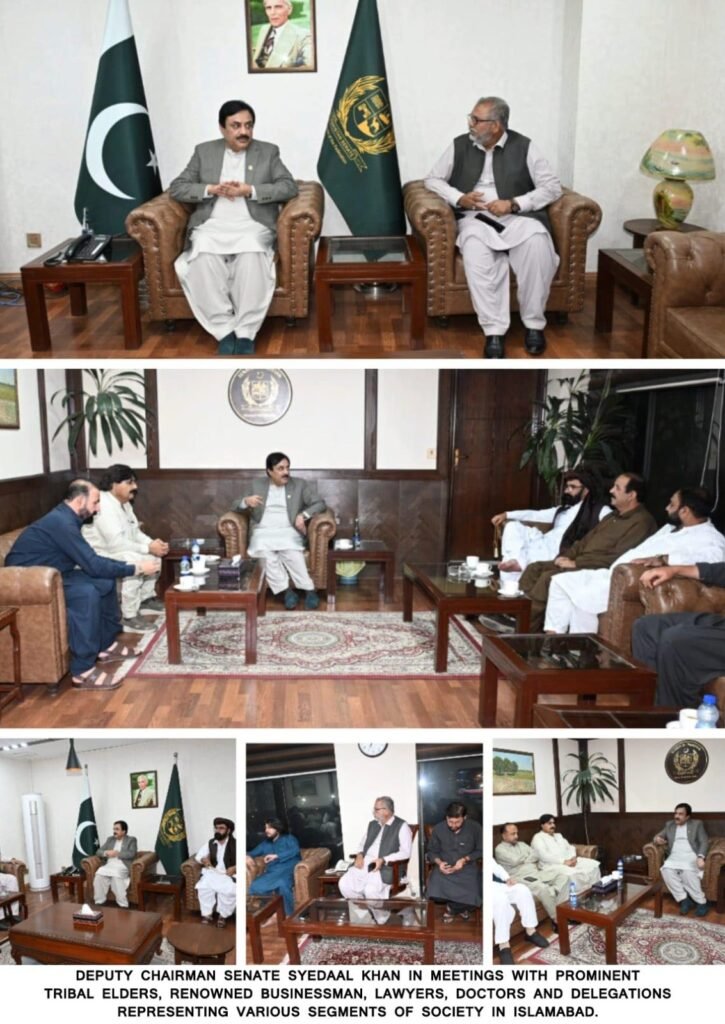
Syedaal Khan Nasar said that collective efforts were essential to promote national development, strengthen economic stability, ensure continuity of the democratic process and resolve the problems confronting the people. Effective coordination among elected representatives, civil society, the business community, youth, lawyers and other stakeholders, he added, could help Pakistan overcome its current challenges.
He maintained that the government and Parliament were fulfilling their respective responsibilities for public welfare, economic development and institutional stability. Parliamentary forums, he said, were being effectively utilized to highlight public concerns and pursue their resolution on a priority basis.
The Deputy Chairman Senate acknowledged the business community’s vital contribution to the national economy and described lawyers, students, tribal elders and civil society organizations as important stakeholders in strengthening democratic values and social stability. He assured the delegations that their concerns and proposals would be raised at the relevant forums and that every possible assistance would be extended to initiatives aimed at public welfare.
Separately, addressing a ceremony organized by Diplomatic Focus to commemorate the 75th anniversary of diplomatic relations between Pakistan and China, Syedaal Khan Nasar said that bilateral ties represented much more than a 75-year diplomatic journey. They constituted a remarkable story of friendship, mutual respect, trust and unwavering support.
The ceremony was attended by the Chinese Ambassador, diplomats, parliamentarians, intellectuals, media representatives and other prominent personalities.
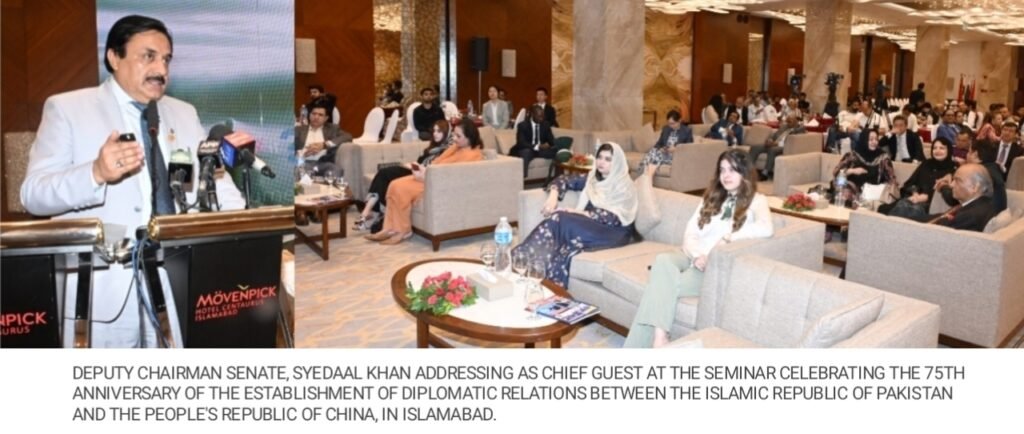
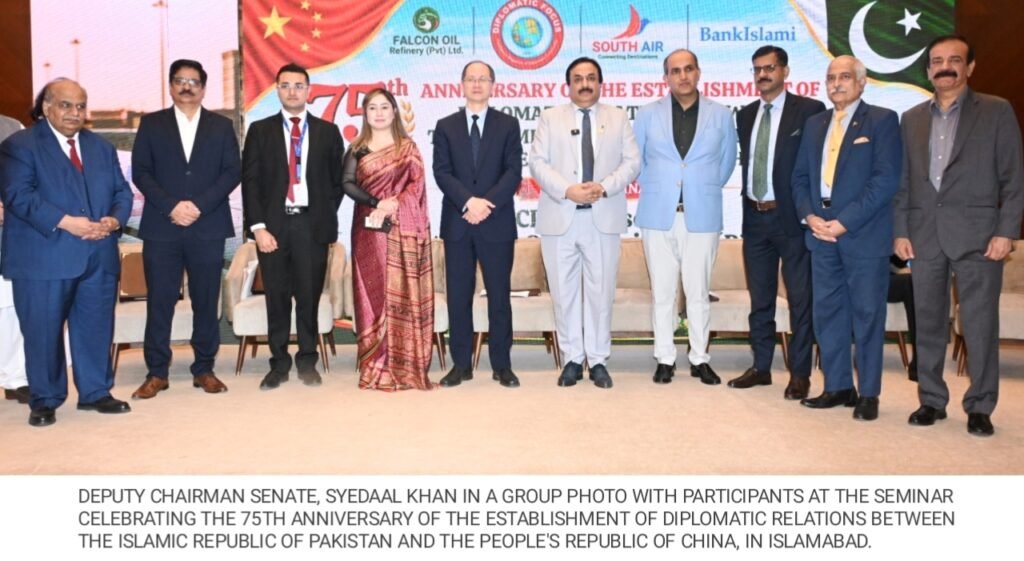
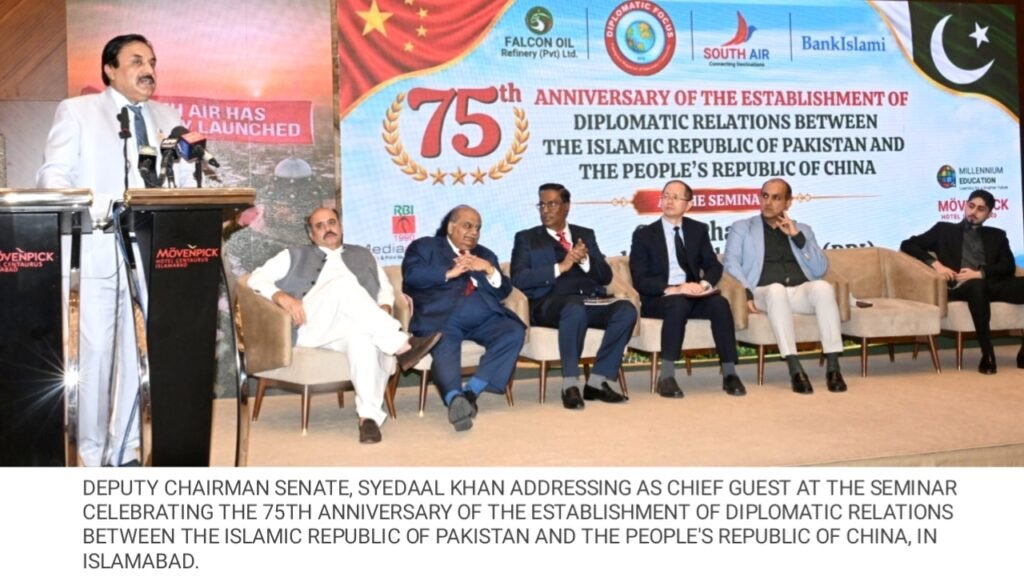
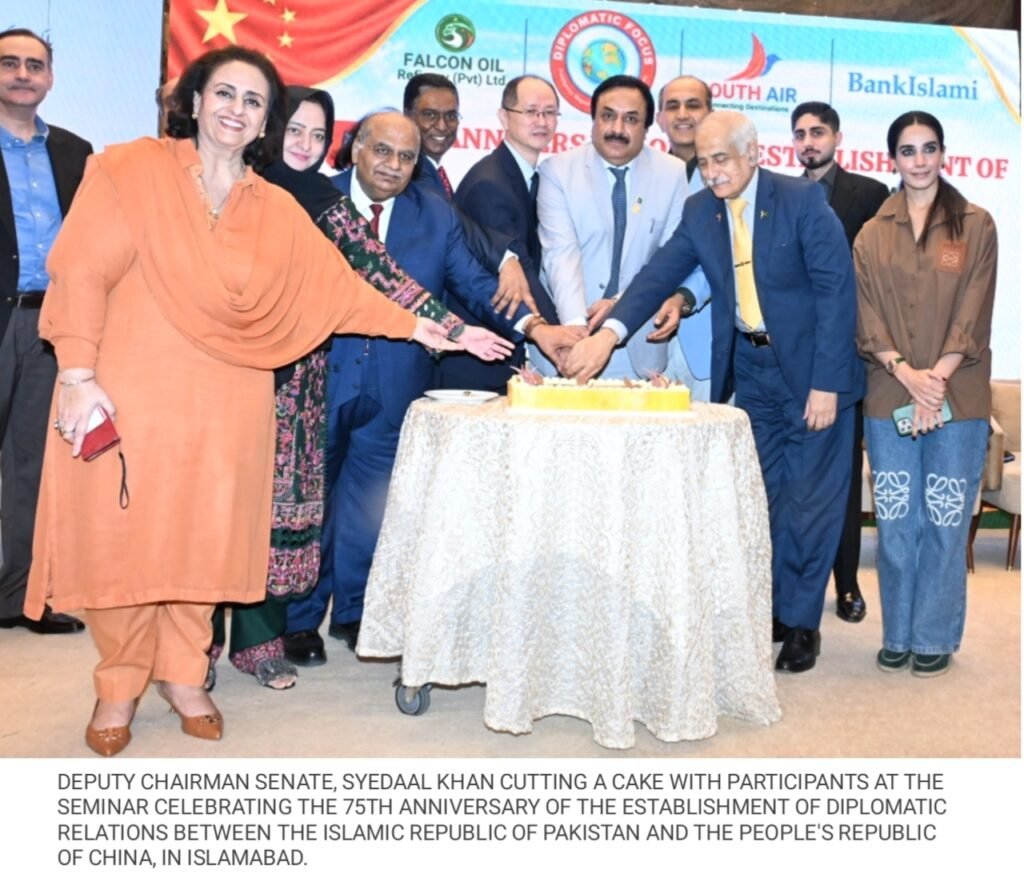
The Deputy Chairman Senate said that since the establishment of diplomatic relations on May 21, 1951, the partnership between Pakistan and China had developed into a strong, stable and multifaceted relationship. Despite changing regional and global circumstances, he observed, both countries had consistently respected each other’s sovereignty, national interests and right to development while standing together during difficult times.
He highlighted considerable potential for expanding bilateral cooperation in trade, investment, education, agriculture, healthcare, science and technology, energy, infrastructure and people-to-people contacts. Describing the China-Pakistan Economic Corridor as a major manifestation of this enduring partnership, he said CPEC had opened new avenues for connectivity, industrial development, energy cooperation and infrastructure improvement.
Syedaal Khan Nasar also emphasized the growing significance of parliamentary and public diplomacy. He said exchanges among parliamentarians, media organizations, educational institutions, business communities and ordinary citizens could further strengthen mutual understanding and deepen bilateral relations.
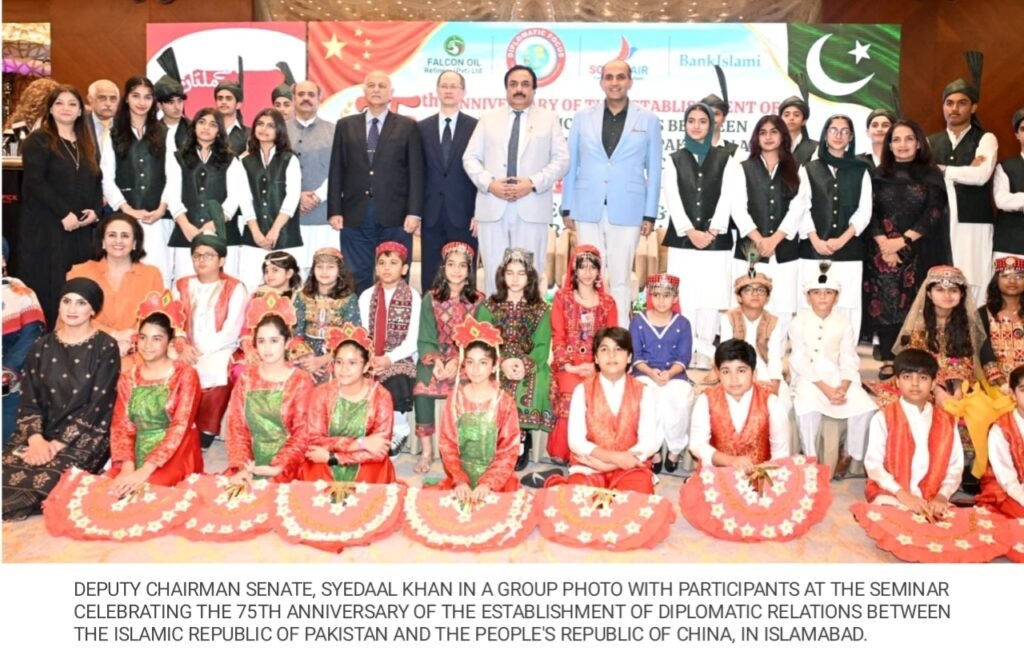
He congratulated the Chinese leadership and people on the 75th anniversary of diplomatic relations and expressed confidence that Pakistan-China cooperation would continue to contribute to regional peace, stability, development and prosperity.
The Deputy Chairman Senate appreciated Diplomatic Focus, particularly its Chief Executive Officer Mian Fazal Elahi, for organizing the event and highlighting the enduring friendship between the two countries.
Reiterating his broader national vision, Syedaal Khan Nasar said that unity, mutual respect and continuous consultation were essential for both domestic progress and effective international cooperation. Through collective determination and constructive engagement, he concluded, Pakistan could overcome its challenges and move confidently towards stability and prosperity.


By. Irfan Siddiqui
ISLAMABAD: The Government of Pakistan has appointed renowned healthcare professional Dr Syed Ali Farhan Razi as President of the Pakistan Nursing and Midwifery Council (PN&MC), with immediate effect.
According to a notification issued by the Ministry of National Health Services, Regulations and Coordination, Dr Razi was serving as a member of the Pakistan Nursing and Midwifery Council before being appointed to its top position. His appointment has been made under the relevant provisions of the Pakistan Nursing and Midwifery Council Act, 2026.

Dr Razi’s appointment is being welcomed as an important development for the advancement of nursing and midwifery in Pakistan. His dedication, professional commitment and valuable efforts in the healthcare sector have earned widespread appreciation. He has played a commendable role in strengthening healthcare services, improving professional standards and supporting the development of healthcare workers.

It is expected that under his leadership, the Council will take further steps to improve the education, training, regulation and professional development of nurses and midwives across the country. A skilled and properly trained nursing workforce is essential for providing quality healthcare, making the role of the Council particularly important.
Dr Razi’s experience and commitment are expected to help strengthen institutional standards and elevate the status of nursing and midwifery professions in Pakistan. His appointment also brings renewed hope for reforms that will benefit healthcare professionals as well as patients.
We extend our heartfelt congratulations to Dr Syed Ali Farhan Razi on his appointment to this important national position. We wish him every success and hope that he will continue to serve Pakistan’s healthcare sector with dedication, integrity and distinction.
By Irfan Siddiqui
Pakistan’s young generation continues to demonstrate that, when provided with quality education, sincere guidance and a disciplined environment, it can compete with the finest students anywhere in the world. The outstanding performance of Baitussalam Educational Complex in the Cambridge O Level May/June 2026 examinations is a powerful example of this potential.
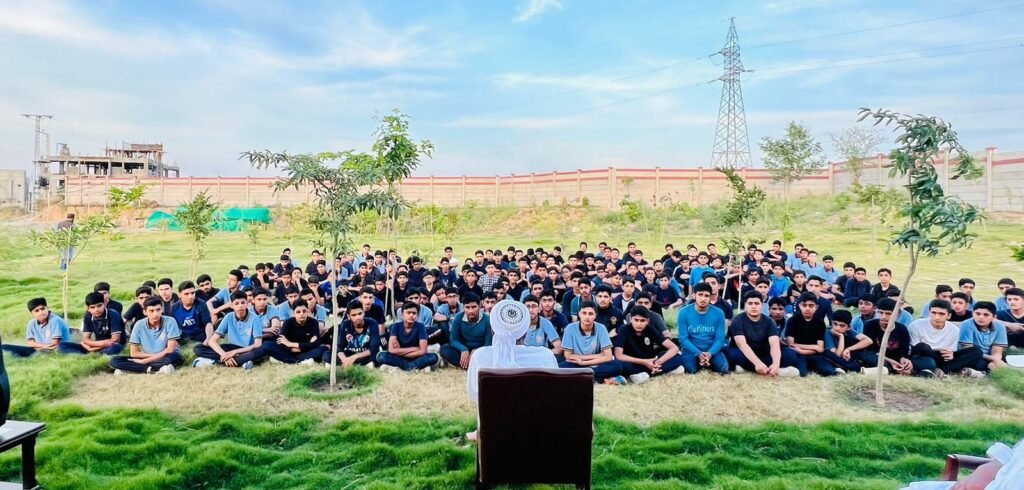
At the centre of this proud achievement is Muhammad Yamaan, a talented student of Baitussalam Educational Complex who secured a perfect score of 200 out of 200 in Cambridge O Level Mathematics, syllabus code 4024. He did not lose a single mark in the examination. This exceptional result makes him eligible for Cambridge’s prestigious “Top in the World” distinction, subject to the examination board’s formal announcement.
A perfect score in an international examination is not an ordinary accomplishment. It requires intelligence, confidence, discipline and the ability to perform under immense pressure. Muhammad Yamaan deserves the warmest congratulations for bringing honour to his parents, teachers, institution and country. His achievement sends an inspiring message to students across Pakistan that excellence has no limits when talent is supported by dedication and opportunity.
However, this story is not about one brilliant student alone. Thirteen other students of Baitussalam Educational Complex secured more than 190 marks out of 200 in the same subject. According to the results published by the institution, 90 percent of its students obtained A or A* grades in the May/June 2026 examinations.
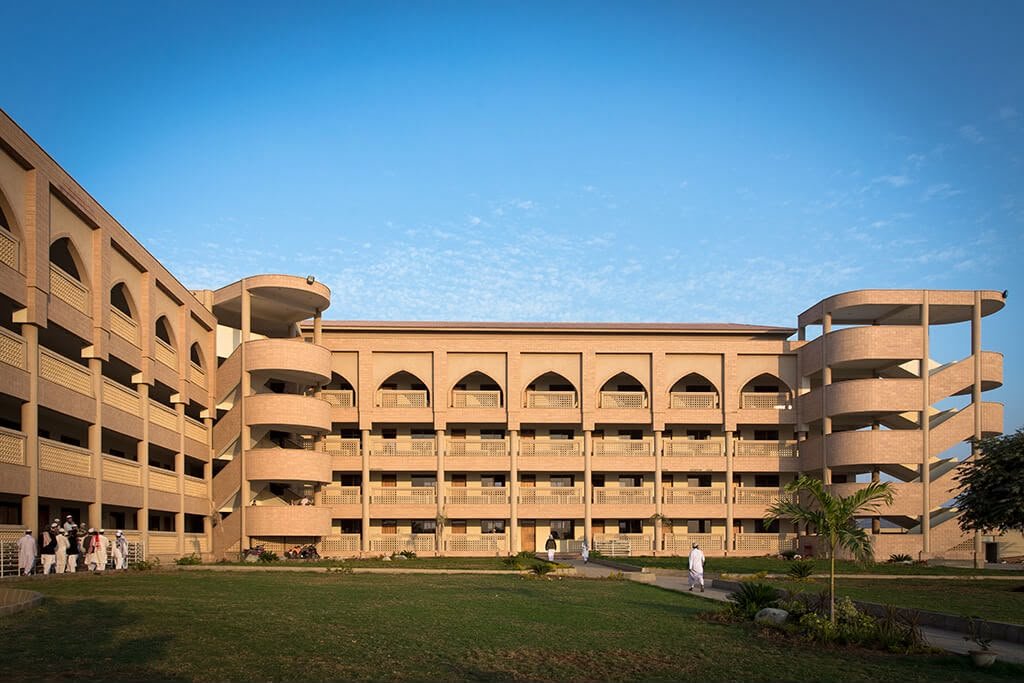
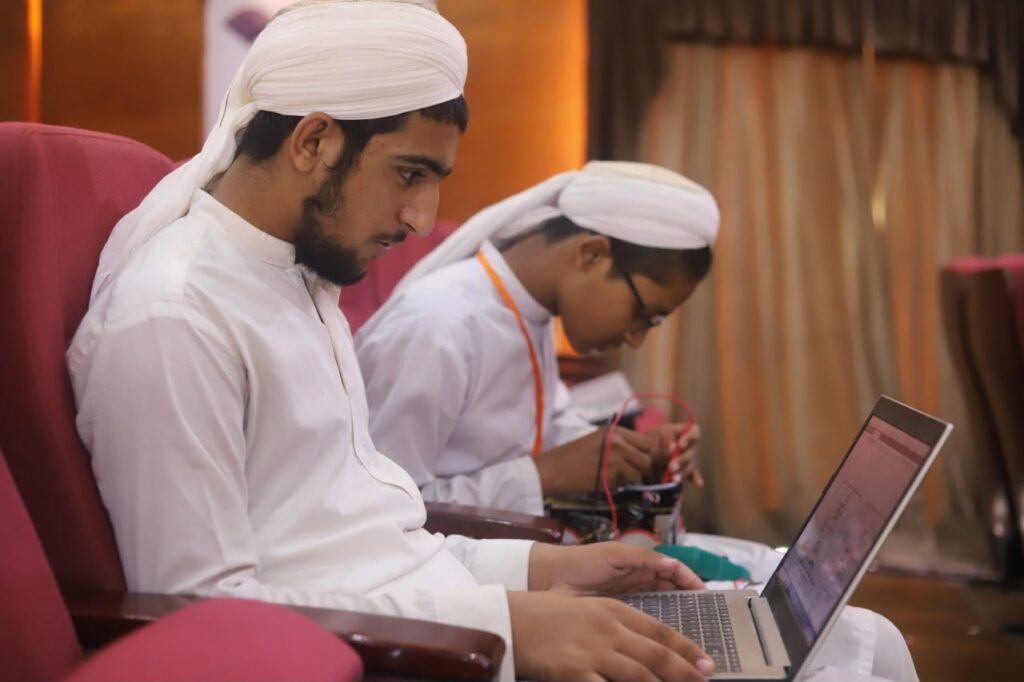
These figures show that Baitussalam’s success is not accidental or dependent upon a single exceptional candidate. It is the result of a strong academic culture, careful planning, committed teachers and an educational philosophy that encourages students to pursue excellence. Every successful student deserves appreciation for the long hours of study, personal sacrifices and determination behind these impressive grades.
The teachers of Baitussalam Educational Complex also merit special recognition. Behind every outstanding result stands a teacher who explains a difficult lesson repeatedly, encourages a struggling student and continues working long after the formal school day has ended. Baitussalam has itself acknowledged the teachers who devoted additional hours and even weekends to preparing their students. Their commitment proves that teaching is not simply a profession but a responsibility towards the future of the nation.
The foundation of this success can be traced to the vision and leadership of Maulana Abdul Sattar, the founder and patron of Baitussalam Welfare Trust. Under his guidance, Baitussalam has developed into an institution where modern education, moral training and service to humanity are brought together. Maulana Abdul Sattar deserves immense appreciation for believing that students should receive the knowledge and skills needed to succeed in the modern world while remaining connected to strong ethical and spiritual values.
His leadership has shown that religious and contemporary education do not have to stand apart. Students can develop moral character while excelling in mathematics, science, technology and internationally recognised academic programmes. The latest Cambridge results are an important endorsement of this balanced educational approach.
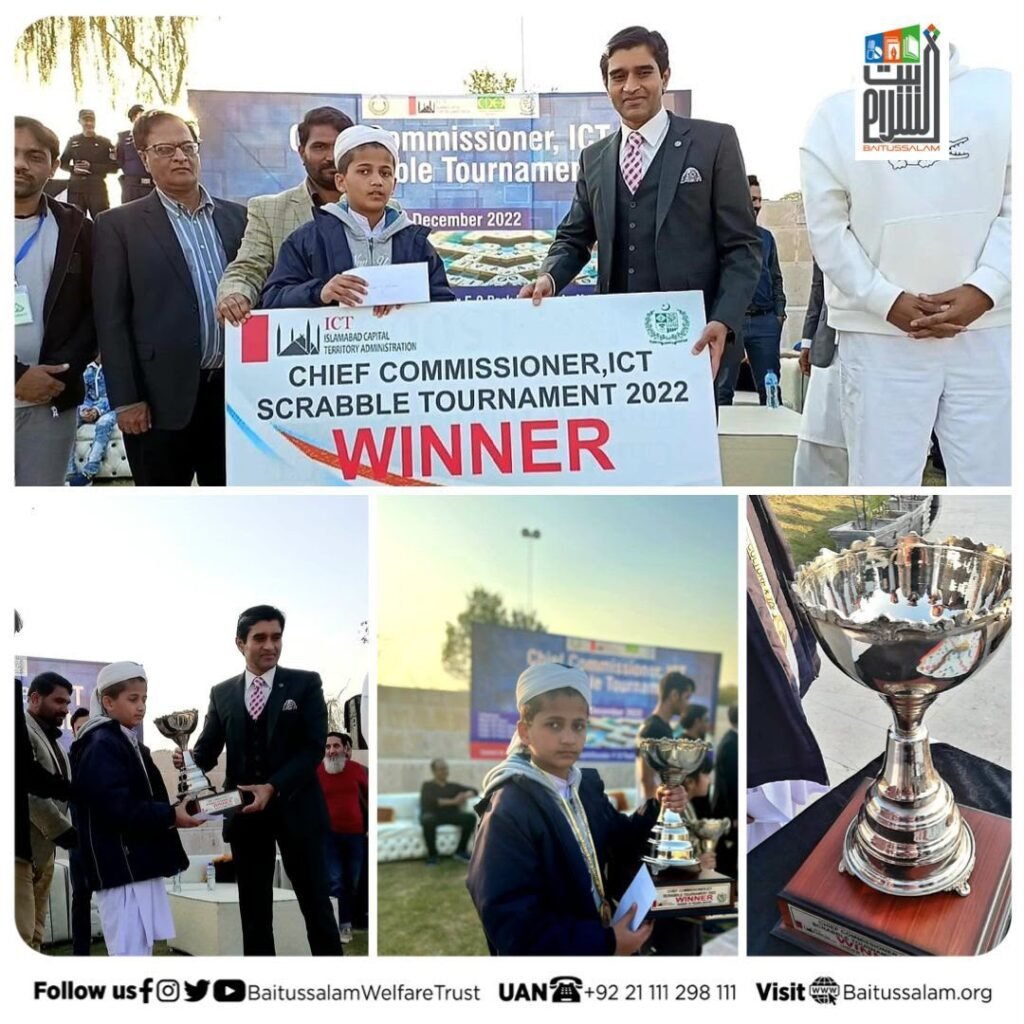

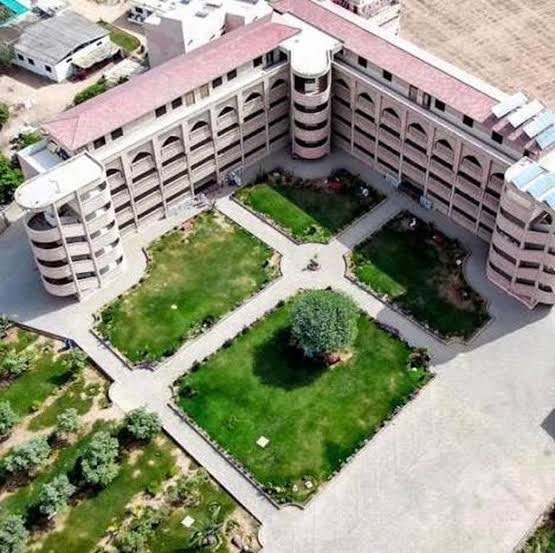

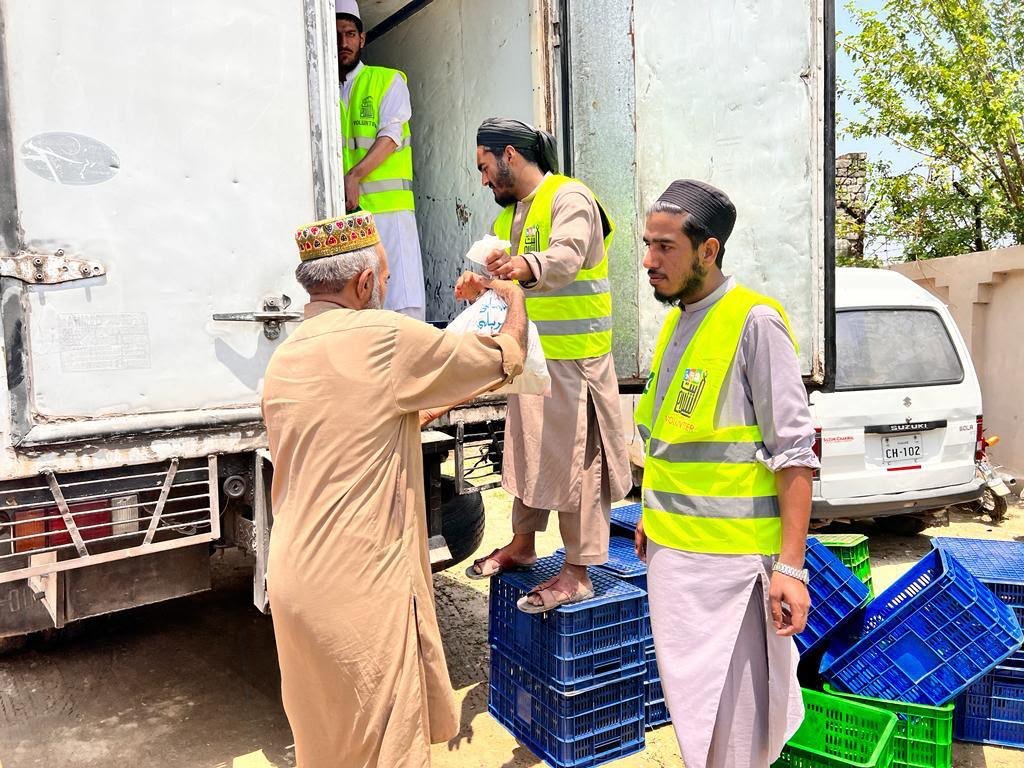
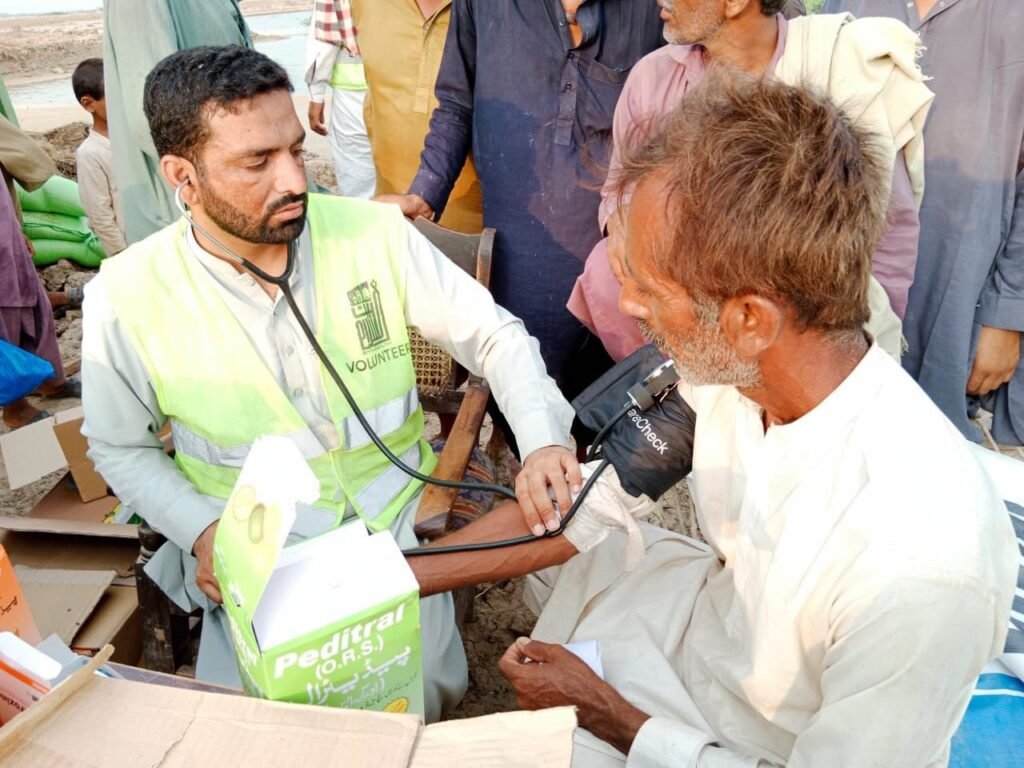
Huzaifa Rafique, the Global Coordinator and prominent representative of Baitussalam Welfare Trust, also deserves recognition for his contribution to promoting the institution’s educational and humanitarian mission. Through his energetic representation and coordination, he has helped communicate Baitussalam’s work to audiences within Pakistan and around the world. People such as Huzaifa Rafique play a valuable role in connecting an institution’s vision with supporters, professionals and communities that can help expand its impact.
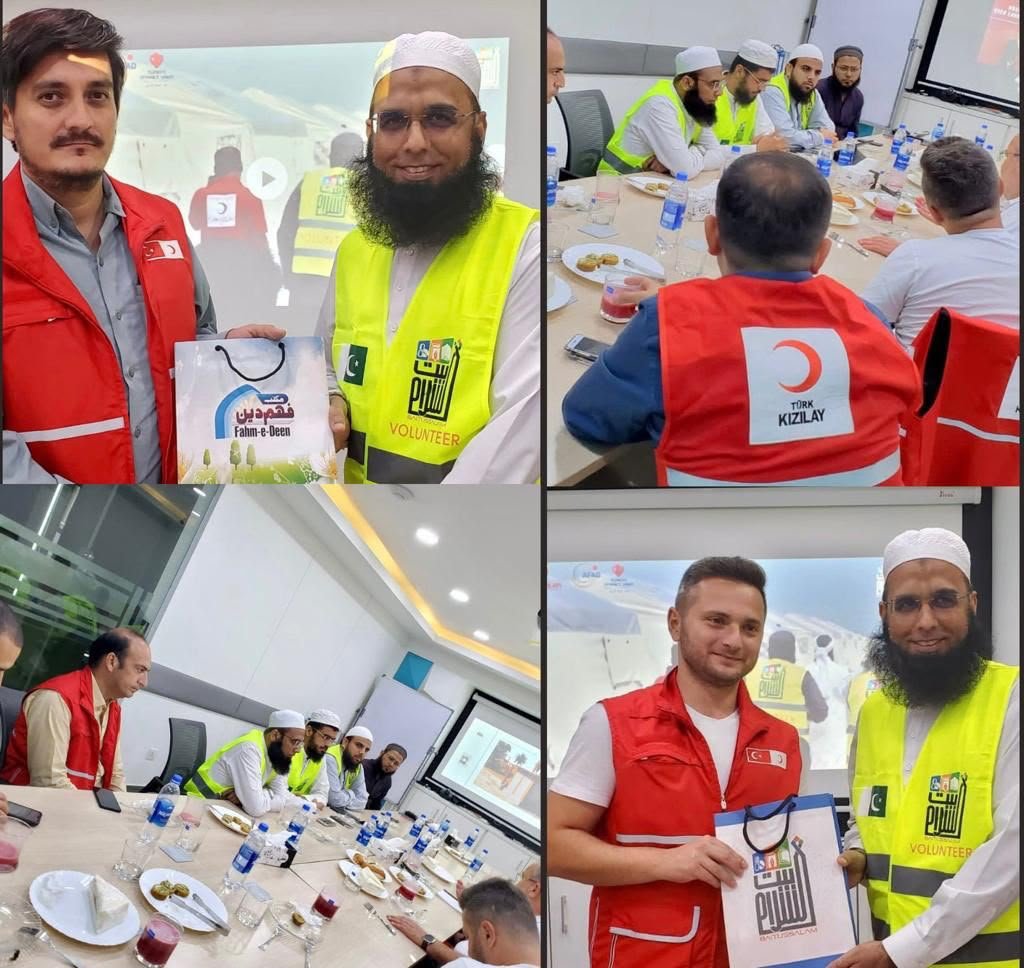
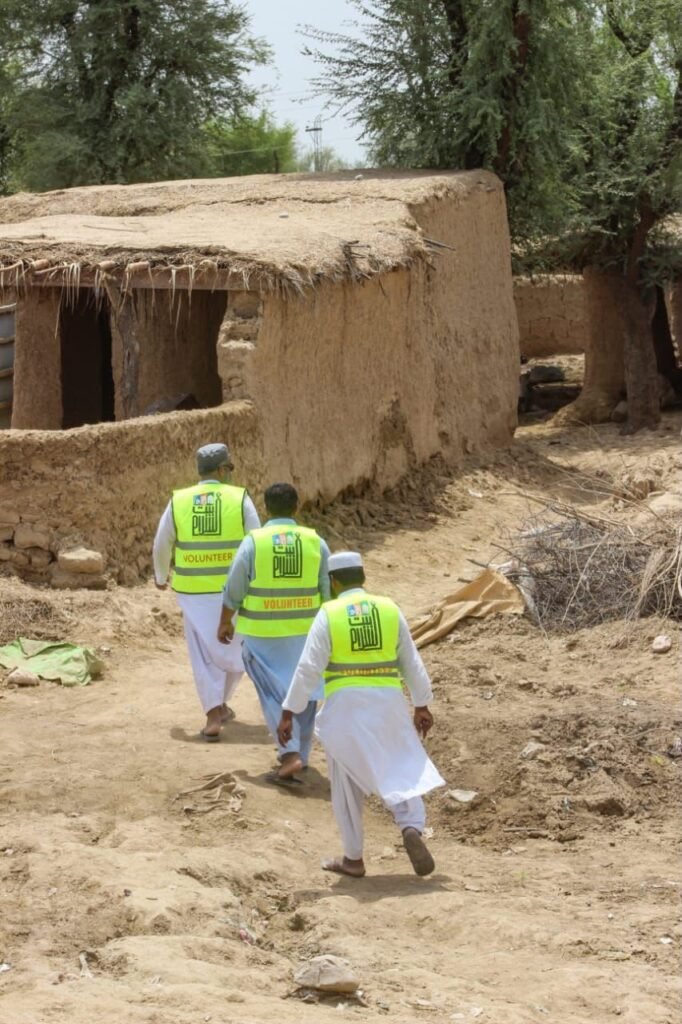
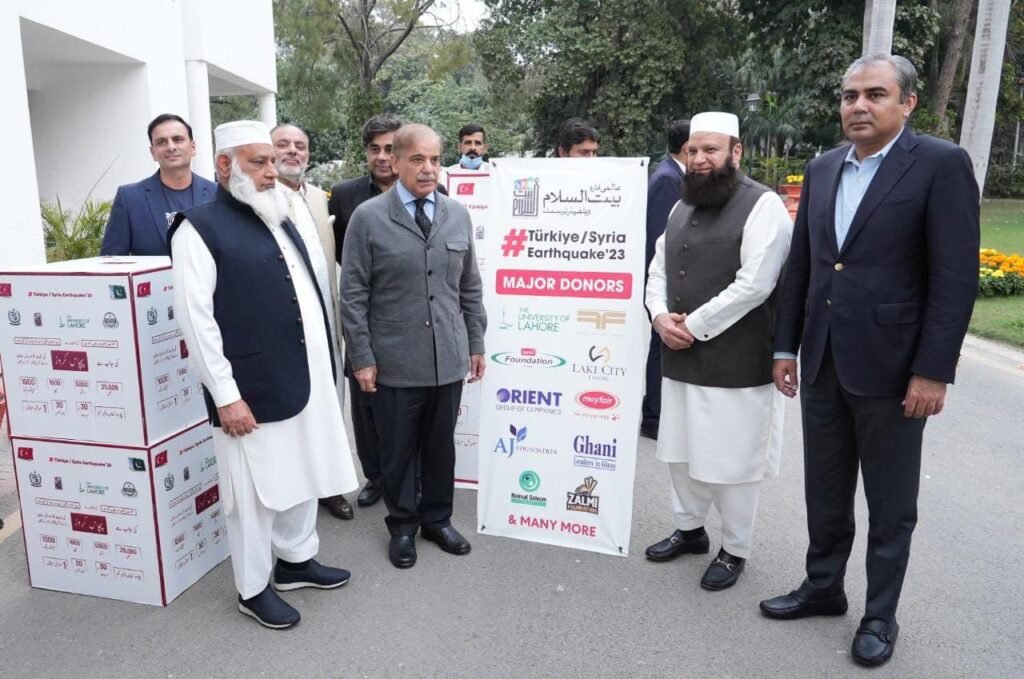
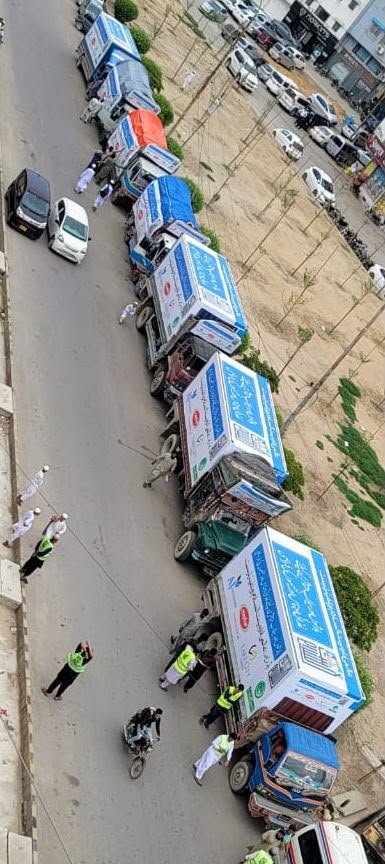
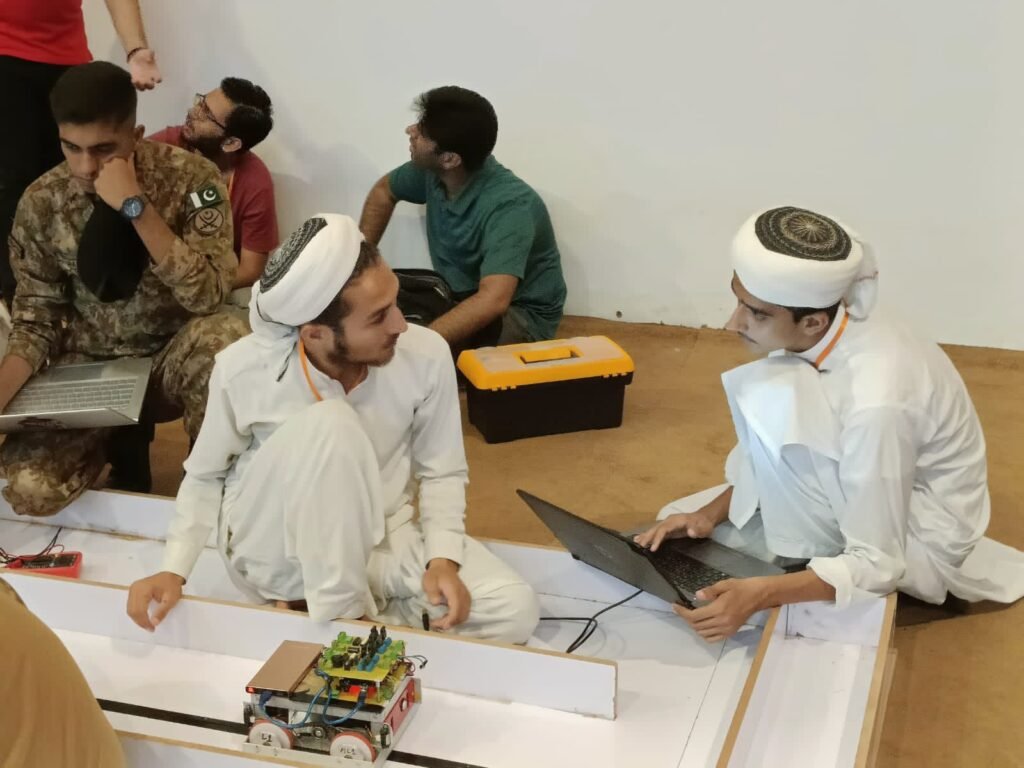
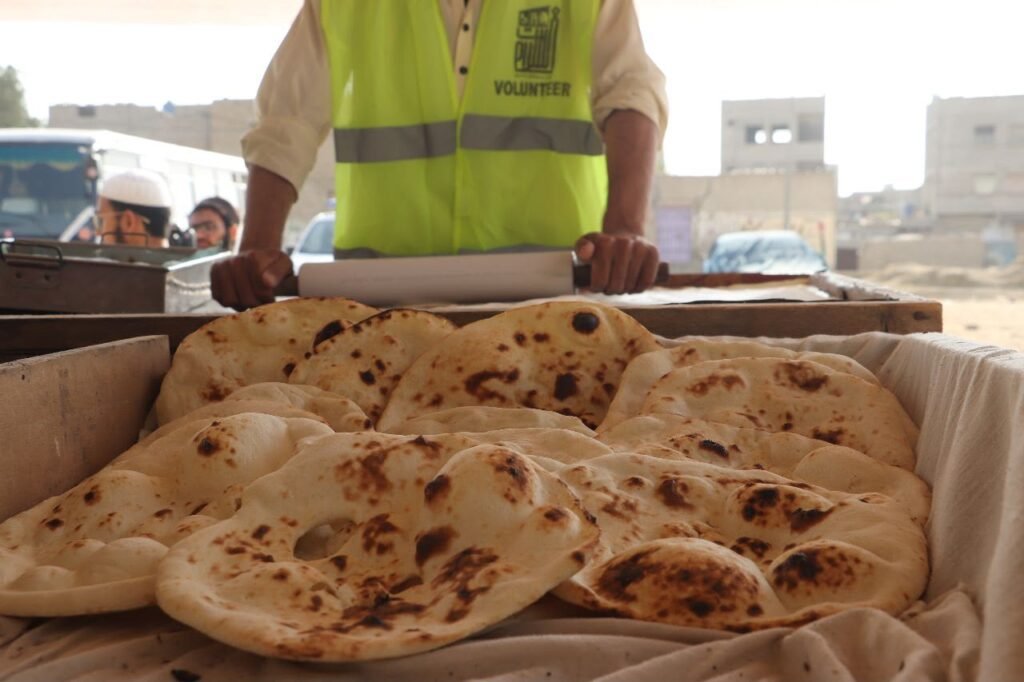
Baitussalam’s contribution extends far beyond examination halls. Founded under Maulana Abdul Sattar’s leadership, the organization has built a broad network of educational, healthcare and humanitarian initiatives. Its work includes conventional and religious education, STEM and technology programmes, medical assistance, food distribution, orphan care, housing projects and emergency relief for people affected by poverty, conflict and natural disasters.
The organization has served communities across Pakistan while also extending assistance to suffering people in other parts of the world, including Palestine, Syria and Turkey. Whether helping a child enter a classroom, providing food to a struggling family, supporting an orphan or responding to a humanitarian emergency, Baitussalam has sought to transform compassion into organized and meaningful action.
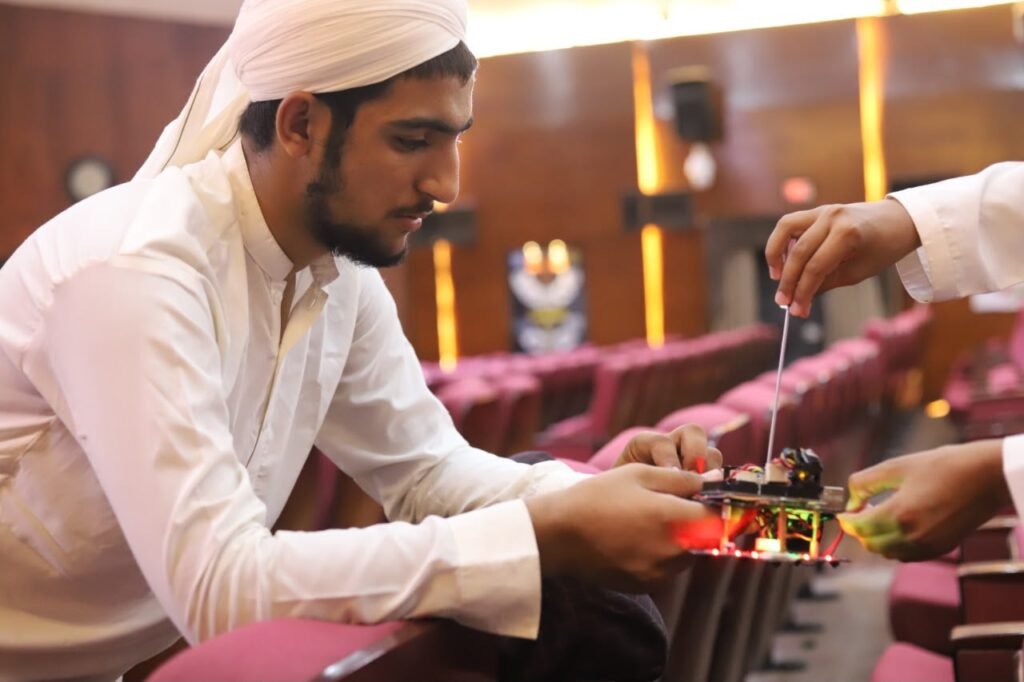
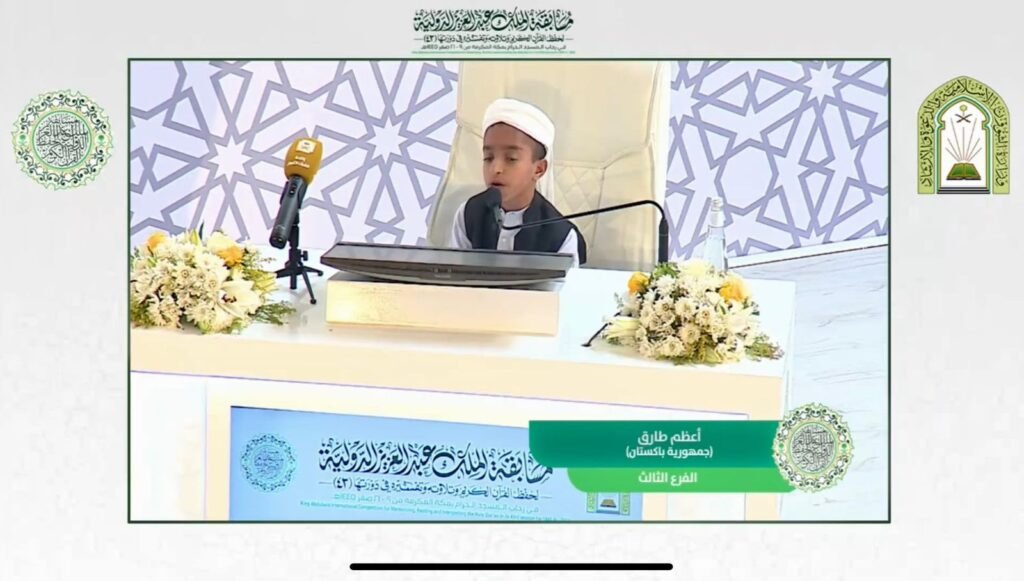
This is what makes the academic success of its students especially significant. The results demonstrate that an institution committed to serving the poor and vulnerable can also produce educational excellence of an international standard. Baitussalam is not merely helping people survive difficult circumstances; it is giving young people the education, confidence and values they need to build better futures.
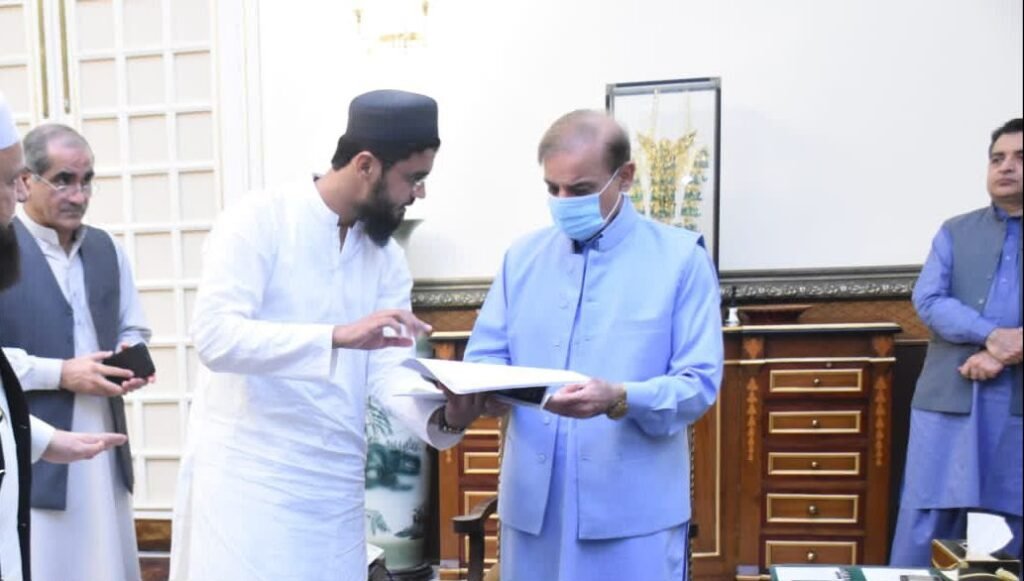
Muhammad Yamaan and his fellow students have written a memorable chapter in Baitussalam’s journey. Their achievement belongs to their parents, teachers and the entire team that supported them. It also belongs to Maulana Abdul Sattar, whose vision created the environment in which such talent could flourish, and to Huzaifa Rafique and other representatives who continue to advance the institution’s mission.
Pakistan should celebrate these students with pride. Their success is proof that the country possesses extraordinary talent and that sincere institutions can nurture it. Baitussalam’s achievement is more than an excellent examination result. It is a message of hope: when visionary leadership, dedicated teachers and hardworking students unite around a noble purpose, they can bring honour not only to one institution but to an entire nation.
Islamabad, September 3, 2026: Acting Chairman Senate Syedal Khan Nasir has said that the Seerah of Holy Prophet Muhammad ﷺ provides a complete code of life and offers lasting solutions to the educational, economic and social challenges confronting young people.
Addressing the Islamabad session of the 2nd International Seerah Conference 2026 as chief guest, he said the life and teachings of the Holy Prophet ﷺ present a practical model of peace, justice, equality, compassion, tolerance and mutual respect. The conference was organized by the Department of Islamic Studies at Alhamd Islamic University under the theme, “Contemporary Educational, Economic and Social Challenges Facing Youth and Their Solutions in the Light of Seerah-e-Tayyaba ﷺ.”
Syedal Khan Nasir said the Charter of Madinah and the Holy Prophet’s ﷺ conduct towards people of different faiths remain timeless examples of peaceful coexistence and the protection of fundamental rights.
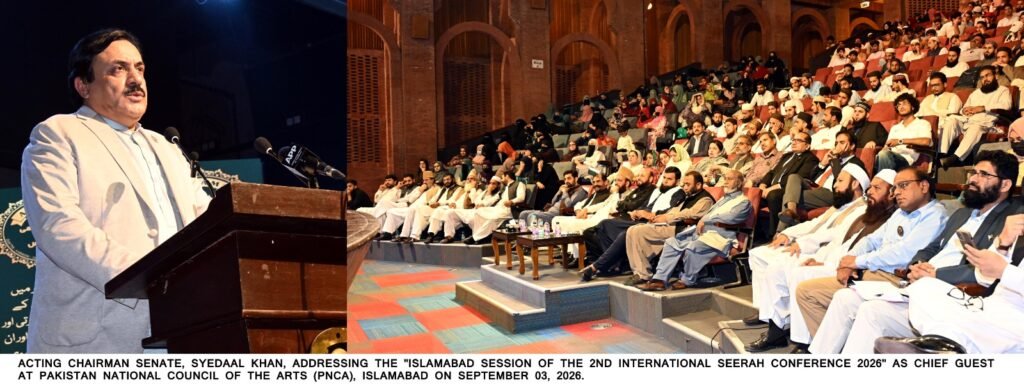
Describing young people as Pakistan’s most valuable asset and the builders of its future, he stressed the importance of equipping them with modern education, knowledge and practical skills while developing strong character, moral values and a positive outlook.
He expressed concern over increasing hatred, intolerance and negative discourse among young people and called for measures to protect them from extremist and destructive influences. He also underlined the need to discourage the misuse of social media and direct the energy and talent of youth towards constructive activities.
The Acting Chairman Senate urged political parties and their leadership to place national interests above personal and partisan considerations and work collectively for Pakistan’s progress, prosperity and stability.
“We must begin accountability with ourselves and provide sincere and capable people with opportunities to contribute to national development,” he said.
He said Pakistan’s standing and positive image in the international community had improved through the collective efforts of the country’s political and security leadership. He added that the nation was proud of Pakistan’s growing role in international affairs and remained firmly committed to protecting the sanctity of the Holy Kaaba.
Syedal Khan Nasir appreciated the organizers, scholars and researchers for arranging the conference and expressed hope that it would promote the universal message of Seerah-e-Tayyaba ﷺ while strengthening the intellectual, moral and spiritual development of the younger generation.
ISLAMABAD: Deputy Chairman Senate Syedaal Khan Nasir has underlined the need for stronger parliamentary diplomacy, deeper international economic engagement and greater support for small and medium enterprises, describing these areas as essential for Pakistan’s diplomatic influence, economic stability and long-term development.
In two important engagements in Islamabad, the Deputy Chairman highlighted Pakistan’s desire to transform its relationship with the United States into a sustainable and institutional partnership while also calling for greater opportunities for young people, women entrepreneurs and small businesses at home.
During a meeting with US Embassy Deputy Chief of Mission Natalie A. Baker, Syedaal Khan Nasir stressed that Pakistan-US relations should move beyond periodic engagements and develop into a broad-based partnership involving parliaments, governments, business communities, civil society and the peoples of both countries.
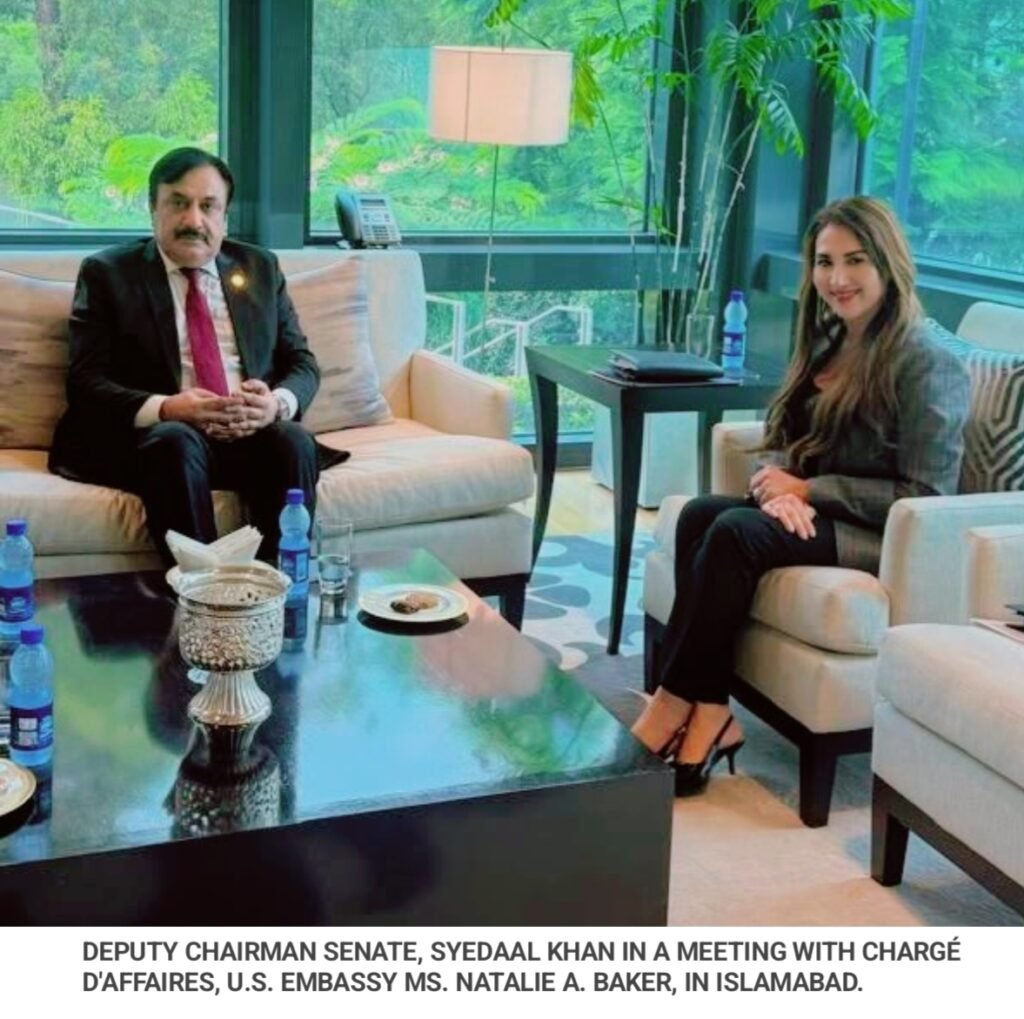
He said Pakistan and the United States already possess a strong foundation of mutual respect, shared interests and decades of cooperation. This relationship, he observed, could be further strengthened through sustained political, parliamentary and diplomatic interaction based on mutual trust and respect.
A major focus of the meeting was the proposal to establish a permanent Inter-Parliamentary Group between the Parliament of Pakistan and the US Congress. The Deputy Chairman said parliamentary diplomacy could serve as an effective bridge between the two countries and provide greater continuity to bilateral relations.
He stressed that such a forum should not merely facilitate ceremonial meetings or occasional delegation exchanges. Instead, it should provide a structured mechanism for regular dialogue, policy exchanges, sharing parliamentary experiences and ensuring effective follow-up on issues of common interest.
Regional security also figured prominently in the discussions. The Deputy Chairman described terrorism as a shared challenge requiring continued cooperation and exchange of experiences between Pakistan and the United States. He recalled Pakistan’s extraordinary sacrifices in combating terrorism and particularly acknowledged the heavy price paid by the people of Balochistan and Khyber Pakhtunkhwa in the struggle for peace.
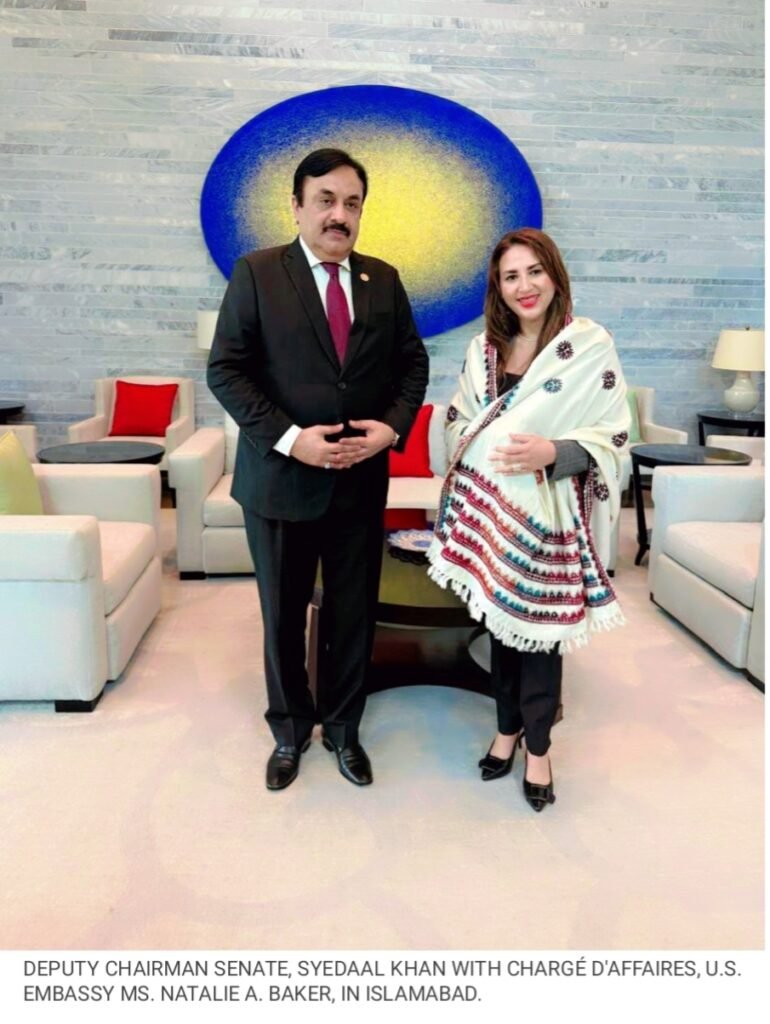
Discussing Afghanistan, Syedaal Khan Nasir said lasting peace and stability in the neighbouring country remained in the interest not only of Pakistan but of the entire region. A peaceful Afghanistan, he said, could open new avenues for trade, economic development and regional connectivity while improving prospects for stability across the wider region.
He reiterated Pakistan’s consistent support for dialogue, diplomacy and restraint in dealing with regional tensions, saying Islamabad would continue supporting de-escalation and dignified political solutions to disputes.
Economic cooperation, he maintained, should become a central pillar of Pakistan-US relations. Greater American investment in Pakistan, improved access for Pakistani products to the US market, technology transfer, innovation and closer private-sector cooperation could give bilateral ties a stronger and mutually beneficial economic foundation.
The Deputy Chairman also highlighted the Pakistani-American community as an important bridge capable of strengthening educational, economic, political and social connections between the two countries.
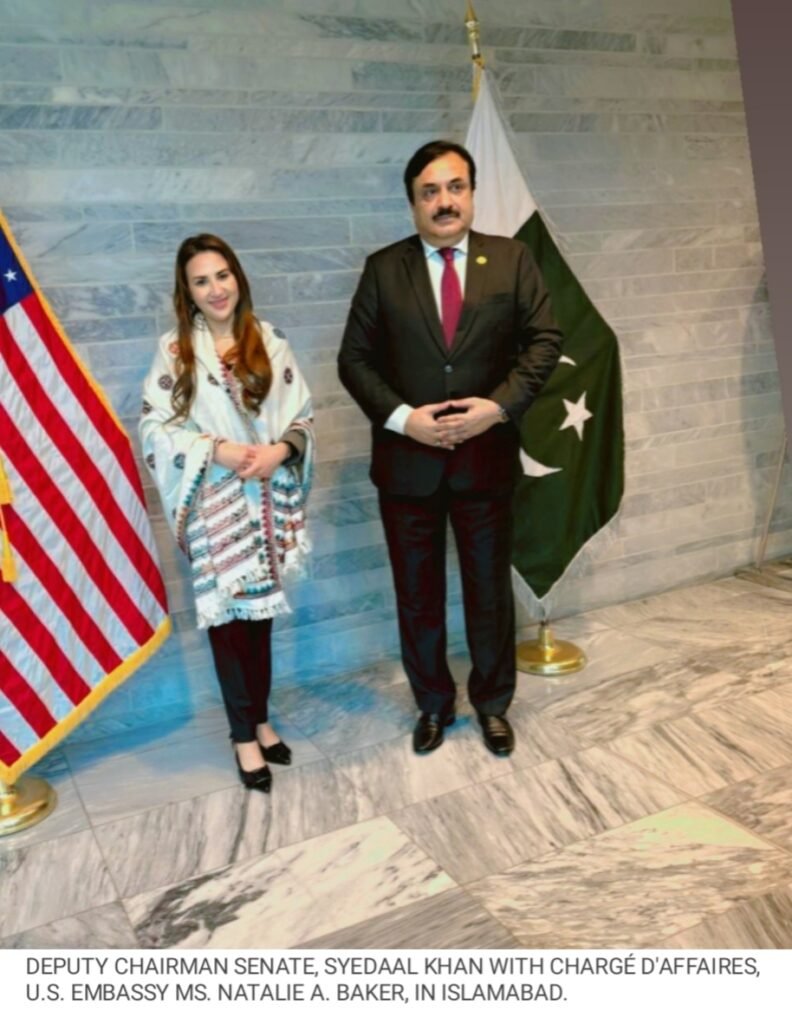
The US Deputy Chief of Mission acknowledged the importance of parliamentary engagement and supported efforts to strengthen economic cooperation and people-to-people contacts. Both sides agreed to maintain sustained engagement and work towards making cooperation more practical and result-oriented.
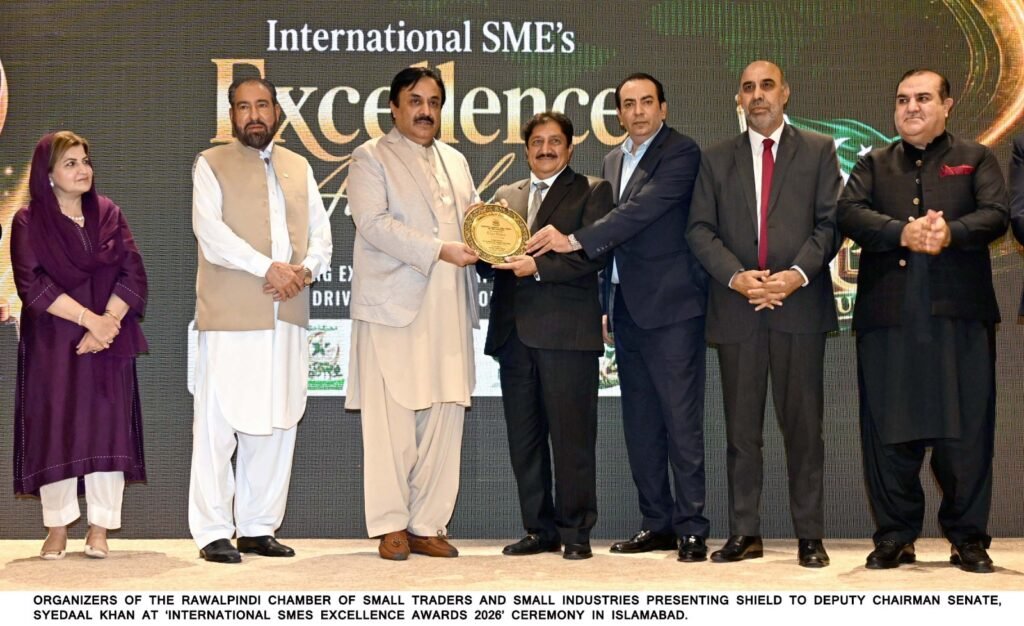
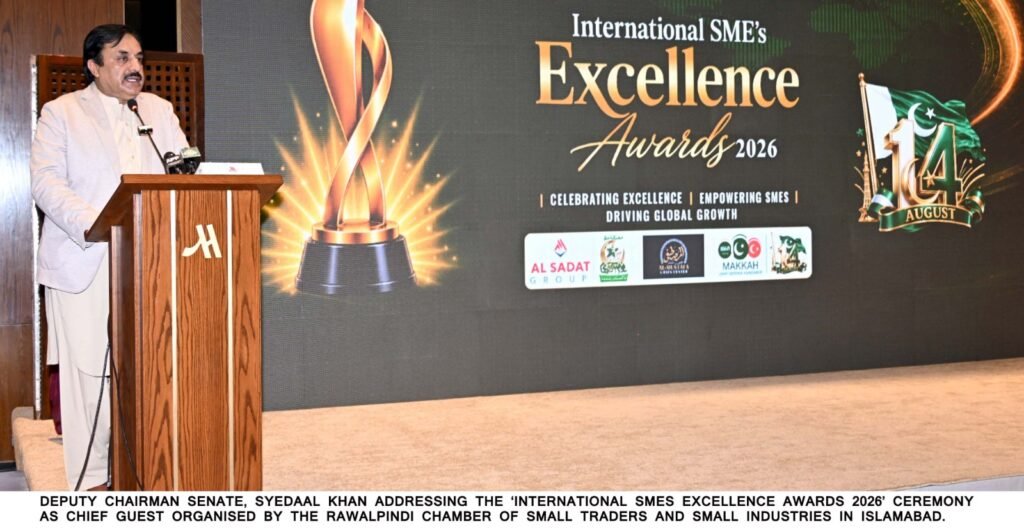
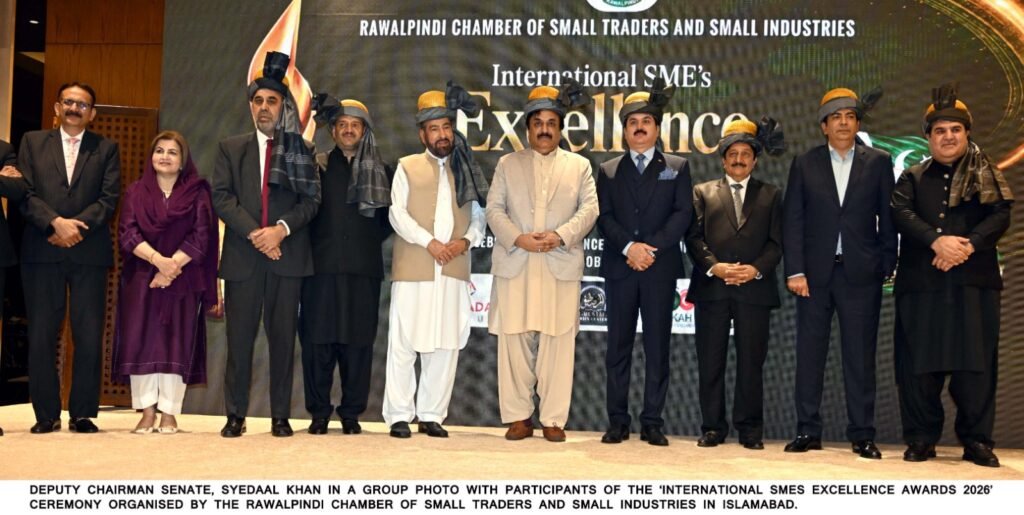
The Deputy Chairman’s emphasis on economic diplomacy was also reflected in his address as chief guest at the International SMEs Excellence Awards 2026, organised by the Rawalpindi Chamber of Small Traders and Small Industries in Islamabad.
Addressing entrepreneurs and representatives of the business community, Syedaal Khan Nasir described small and medium enterprises as the backbone of Pakistan’s economy. He said empowering young people and women through entrepreneurship, affordable finance, technology, training and access to international markets was indispensable for sustainable economic growth.
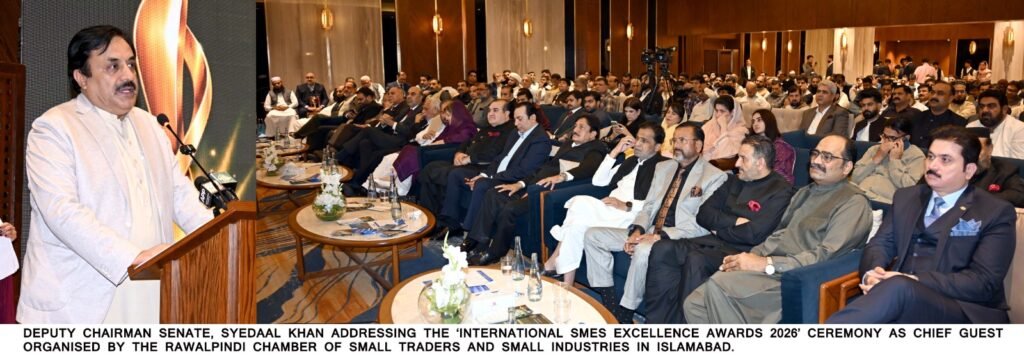
He noted that approximately 7.14 million micro, small and medium enterprises were operating in Pakistan, demonstrating the enormous importance of the sector for employment and economic activity.
“Strengthening a small business means strengthening a family, a community and ultimately the economic future of the country,” he said, stressing that Pakistan needed young people who could become job creators rather than remaining solely job seekers.
He said Pakistan’s youth represented its greatest asset, but education alone would not be sufficient to unlock their potential. Young entrepreneurs required skills, financing, technology, professional guidance and access to markets to transform innovative ideas into successful companies and internationally recognised brands.
Access to affordable finance, he observed, remained among the biggest obstacles facing SMEs. He welcomed government initiatives aimed at improving SME financing and financial inclusion, including measures envisaged under the 2026-28 Access to Finance Plan.
The Deputy Chairman placed particular emphasis on women entrepreneurs, arguing that Pakistan could not achieve its full economic potential without greater participation by women. Improved financing, training, digital platforms and access to domestic and international markets could enable more women to establish and expand successful businesses.
He also encouraged Pakistani SMEs to look beyond domestic markets and take advantage of e-commerce, digital marketing and modern technology. Integration into global value chains, he said, could generate foreign exchange, create employment and provide new opportunities for economic expansion.
Syedaal Khan Nasir said Parliament’s responsibility extended beyond legislation to creating policies and legal frameworks that facilitate business activity, encourage investment and reduce unnecessary barriers. Predictable policies, transparency and an enabling business environment were essential for building a strong economic foundation.
Congratulating recipients of the International SMEs Excellence Awards 2026, he said recognition should inspire entrepreneurs to pursue greater innovation and national responsibility.
Bringing together his messages on foreign relations and domestic economic development, the Deputy Chairman presented parliamentary engagement, economic diplomacy, entrepreneurship and youth empowerment as interconnected elements of Pakistan’s future.
His message was clear: stronger international partnerships can expand Pakistan’s economic opportunities, while stronger SMEs, an empowered business community and enterprising young people can provide the domestic foundation required for a stronger Pakistan.
By Irfan Siddiqui | Tokyo
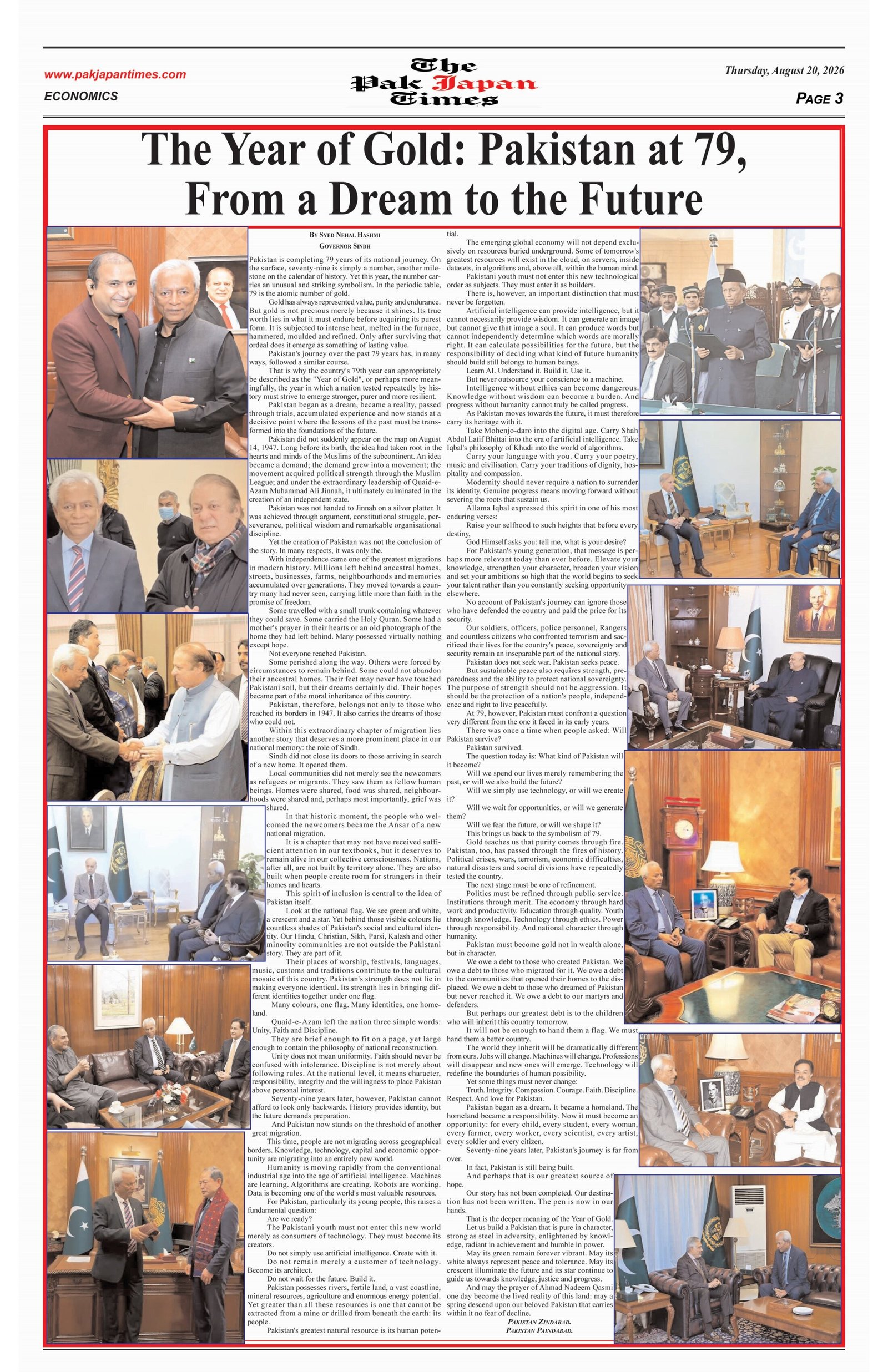
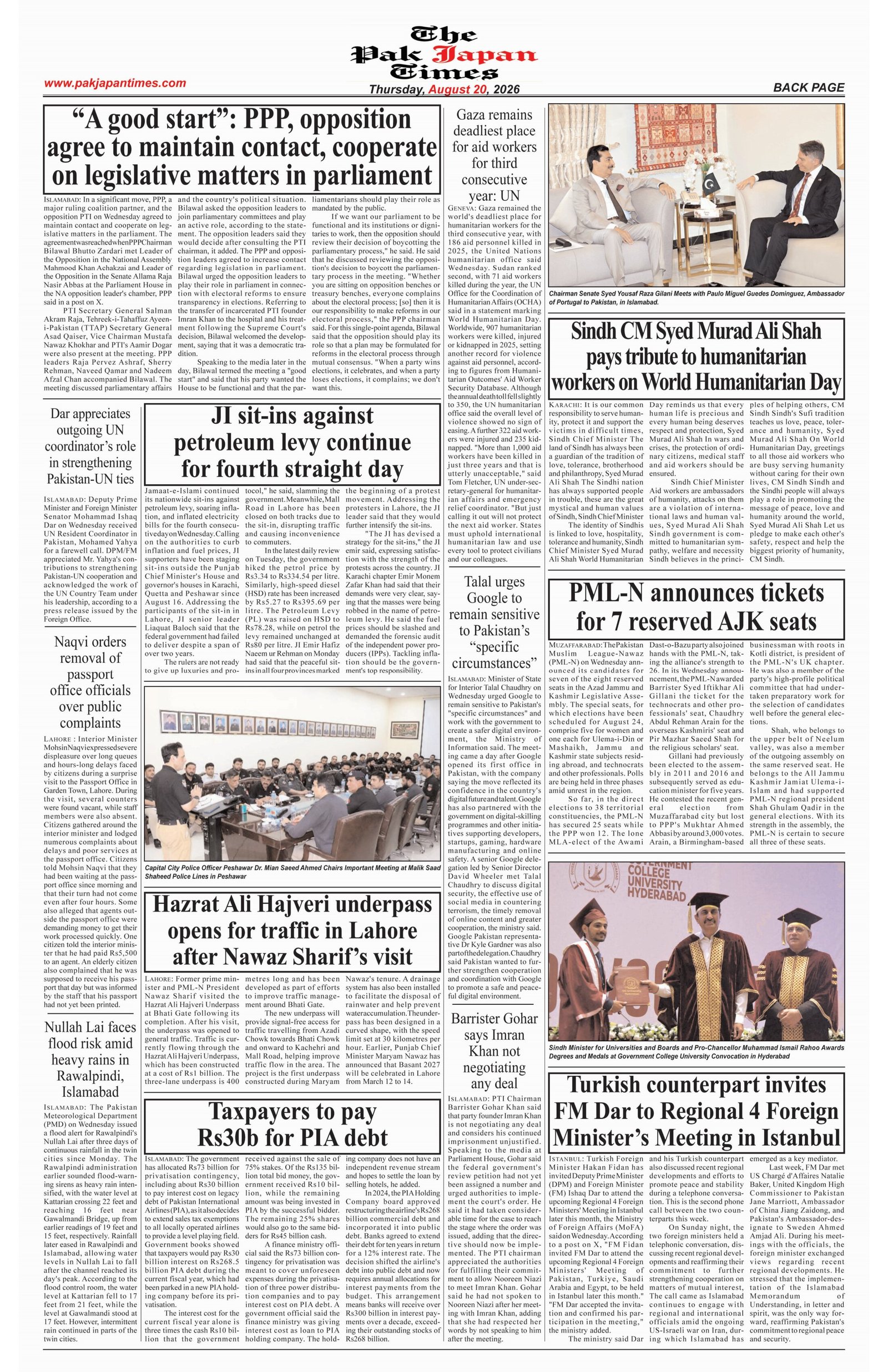
The All Pakistan Car Dealers and Importers Association (APDA) has expressed serious concerns over the one-year restriction on the transfer of vehicles imported by overseas Pakistanis under the Gift and Transfer of Residence schemes, urging Prime Minister of Pakistan to intervene and have the restriction removed.
In a letter addressed to the Prime Minister, APDA Patron-in-Chief Mian Shoaib Ahmed said that under S.R.O. 61(I)/2026, vehicles imported through the Gift and Transfer of Residence schemes cannot be transferred to another person for one year from the date of import.
The association argued that while the restriction may have been introduced for regulatory purposes, it could unintentionally create complications for law enforcement agencies and raise concerns related to national security, particularly in the prevailing security environment.
According to APDA, an overseas Pakistani may sometimes be compelled to sell an imported vehicle before the completion of the one-year period due to financial or personal circumstances. Since the vehicle cannot legally be transferred during that period, official registration records continue to show the original importer as the owner even though the vehicle may actually be in the possession and use of another person.
The association warned that such a discrepancy between official ownership records and the vehicle’s actual user could create serious difficulties if the vehicle is subsequently used in terrorism, kidnapping, targeted attacks, smuggling, robbery or any other serious criminal activity.
In such circumstances, investigators may initially be led to the person whose name remains in the official registration record rather than the vehicle’s actual user, potentially wasting valuable time and complicating law enforcement efforts.
APDA also pointed out that modern surveillance and security systems, including Safe City cameras and Automatic Number Plate Recognition systems, depend heavily on accurate and updated vehicle registration records. A mismatch between the registered owner and the actual user could therefore undermine effective vehicle traceability.
The association has requested the Prime Minister to direct the Ministry of Commerce and other relevant authorities to amend the SRO and withdraw the one-year non-transfer restriction.
APDA maintained that allowing timely legal transfer would ensure that government records accurately reflect a vehicle’s actual legal owner and current user, while also strengthening traceability and supporting law enforcement agencies in meeting national security requirements.
By Syed Nehal Hashmi
Governor Sindh
Pakistan is completing 79 years of its national journey. On the surface, seventy-nine is simply a number, another milestone on the calendar of history. Yet this year, the number carries an unusual and striking symbolism. In the periodic table, 79 is the atomic number of gold.
Gold has always represented value, purity and endurance. But gold is not precious merely because it shines. Its true worth lies in what it must endure before acquiring its purest form. It is subjected to intense heat, melted in the furnace, hammered, moulded and refined. Only after surviving that ordeal does it emerge as something of lasting value.
Pakistan’s journey over the past 79 years has, in many ways, followed a similar course.
That is why the country’s 79th year can appropriately be described as the “Year of Gold”, or perhaps more meaningfully, the year in which a nation tested repeatedly by history must strive to emerge stronger, purer and more resilient.
Pakistan began as a dream, became a reality, passed through trials, accumulated experience and now stands at a decisive point where the lessons of the past must be transformed into the foundations of the future.
Pakistan did not suddenly appear on the map on August 14, 1947. Long before its birth, the idea had taken root in the hearts and minds of the Muslims of the subcontinent. An idea became a demand; the demand grew into a movement; the movement acquired political strength through the Muslim League; and under the extraordinary leadership of Quaid-e-Azam Muhammad Ali Jinnah, it ultimately culminated in the creation of an independent state.
Pakistan was not handed to Jinnah on a silver platter. It was achieved through argument, constitutional struggle, perseverance, political wisdom and remarkable organisational discipline.
Yet the creation of Pakistan was not the conclusion of the story. In many respects, it was only the beginning.
With independence came one of the greatest migrations in modern history. Millions left behind ancestral homes, streets, businesses, farms, neighbourhoods and memories accumulated over generations. They moved towards a country many had never seen, carrying little more than faith in the promise of freedom.
Some travelled with a small trunk containing whatever they could save. Some carried the Holy Quran. Some had a mother’s prayer in their hearts or an old photograph of the home they had left behind. Many possessed virtually nothing except hope.
Not everyone reached Pakistan.
Some perished along the way. Others were forced by circumstances to remain behind. Some could not abandon their ancestral homes. Their feet may never have touched Pakistani soil, but their dreams certainly did. Their hopes became part of the moral inheritance of this country.
Pakistan, therefore, belongs not only to those who reached its borders in 1947. It also carries the dreams of those who could not.
Within this extraordinary chapter of migration lies another story that deserves a more prominent place in our national memory: the role of Sindh.
Sindh did not close its doors to those arriving in search of a new home. It opened them.
Local communities did not merely see the newcomers as refugees or migrants. They saw them as fellow human beings. Homes were shared, food was shared, neighbourhoods were shared and, perhaps most importantly, grief was shared.
In that historic moment, the people who welcomed the newcomers became the Ansar of a new national migration.
It is a chapter that may not have received sufficient attention in our textbooks, but it deserves to remain alive in our collective consciousness. Nations, after all, are not built by territory alone. They are also built when people create room for strangers in their homes and hearts.
This spirit of inclusion is central to the idea of Pakistan itself.
Look at the national flag. We see green and white, a crescent and a star. Yet behind those visible colours lie countless shades of Pakistan’s social and cultural identity. Our Hindu, Christian, Sikh, Parsi, Kalash and other minority communities are not outside the Pakistani story. They are part of it.
Their places of worship, festivals, languages, music, customs and traditions contribute to the cultural mosaic of this country. Pakistan’s strength does not lie in making everyone identical. Its strength lies in bringing different identities together under one flag.
Many colours, one flag. Many identities, one homeland.
Quaid-e-Azam left the nation three simple words: Unity, Faith and Discipline.
They are brief enough to fit on a page, yet large enough to contain the philosophy of national reconstruction.
Unity does not mean uniformity. Faith should never be confused with intolerance. Discipline is not merely about following rules. At the national level, it means character, responsibility, integrity and the willingness to place Pakistan above personal interest.
Seventy-nine years later, however, Pakistan cannot afford to look only backwards. History provides identity, but the future demands preparation.
And Pakistan now stands on the threshold of another great migration.
This time, people are not migrating across geographical borders. Knowledge, technology, capital and economic opportunity are migrating into an entirely new world.
Humanity is moving rapidly from the conventional industrial age into the age of artificial intelligence. Machines are learning. Algorithms are creating. Robots are working. Data is becoming one of the world’s most valuable resources.
For Pakistan, particularly its young people, this raises a fundamental question:
Are we ready?
The Pakistani youth must not enter this new world merely as consumers of technology. They must become its creators.
Do not simply use artificial intelligence. Create with it.
Do not remain merely a customer of technology. Become its architect.
Do not wait for the future. Build it.
Pakistan possesses rivers, fertile land, a vast coastline, mineral resources, agriculture and enormous energy potential. Yet greater than all these resources is one that cannot be extracted from a mine or drilled from beneath the earth: its people.
Pakistan’s greatest natural resource is its human potential.
The emerging global economy will not depend exclusively on resources buried underground. Some of tomorrow’s greatest resources will exist in the cloud, on servers, inside datasets, in algorithms and, above all, within the human mind.
Pakistani youth must not enter this new technological order as subjects. They must enter it as builders.
There is, however, an important distinction that must never be forgotten.
Artificial intelligence can provide intelligence, but it cannot necessarily provide wisdom. It can generate an image but cannot give that image a soul. It can produce words but cannot independently determine which words are morally right. It can calculate possibilities for the future, but the responsibility of deciding what kind of future humanity should build still belongs to human beings.
Learn AI. Understand it. Build it. Use it.
But never outsource your conscience to a machine.
Intelligence without ethics can become dangerous. Knowledge without wisdom can become a burden. And progress without humanity cannot truly be called progress.
As Pakistan moves towards the future, it must therefore carry its heritage with it.
Take Mohenjo-daro into the digital age. Carry Shah Abdul Latif Bhittai into the era of artificial intelligence. Take Iqbal’s philosophy of Khudi into the world of algorithms.
Carry your language with you. Carry your poetry, music and civilisation. Carry your traditions of dignity, hospitality and compassion.
Modernity should never require a nation to surrender its identity. Genuine progress means moving forward without severing the roots that sustain us.
Allama Iqbal expressed this spirit in one of his most enduring verses:
Raise your selfhood to such heights that before every destiny,
God Himself asks you: tell me, what is your desire?
For Pakistan’s young generation, that message is perhaps more relevant today than ever before. Elevate your knowledge, strengthen your character, broaden your vision and set your ambitions so high that the world begins to seek your talent rather than you constantly seeking opportunity elsewhere.
No account of Pakistan’s journey can ignore those who have defended the country and paid the price for its security.
Our soldiers, officers, police personnel, Rangers and countless citizens who confronted terrorism and sacrificed their lives for the country’s peace, sovereignty and security remain an inseparable part of the national story.
Pakistan does not seek war. Pakistan seeks peace.
But sustainable peace also requires strength, preparedness and the ability to protect national sovereignty. The purpose of strength should not be aggression. It should be the protection of a nation’s people, independence and right to live peacefully.
At 79, however, Pakistan must confront a question very different from the one it faced in its early years.
There was once a time when people asked: Will Pakistan survive?
Pakistan survived.
The question today is: What kind of Pakistan will it become?
Will we spend our lives merely remembering the past, or will we also build the future?
Will we simply use technology, or will we create it?
Will we wait for opportunities, or will we generate them?
Will we fear the future, or will we shape it?
This brings us back to the symbolism of 79.
Gold teaches us that purity comes through fire. Pakistan, too, has passed through the fires of history. Political crises, wars, terrorism, economic difficulties, natural disasters and social divisions have repeatedly tested the country.
The next stage must be one of refinement.
Politics must be refined through public service. Institutions through merit. The economy through hard work and productivity. Education through quality. Youth through knowledge. Technology through ethics. Power through responsibility. And national character through humanity.
Pakistan must become gold not in wealth alone, but in character.
We owe a debt to those who created Pakistan. We owe a debt to those who migrated for it. We owe a debt to the communities that opened their homes to the displaced. We owe a debt to those who dreamed of Pakistan but never reached it. We owe a debt to our martyrs and defenders.
But perhaps our greatest debt is to the children who will inherit this country tomorrow.
It will not be enough to hand them a flag. We must hand them a better country.
The world they inherit will be dramatically different from ours. Jobs will change. Machines will change. Professions will disappear and new ones will emerge. Technology will redefine the boundaries of human possibility.
Yet some things must never change:
Truth. Integrity. Compassion. Courage. Faith. Discipline. Respect. And love for Pakistan.
Pakistan began as a dream. It became a homeland. The homeland became a responsibility. Now it must become an opportunity: for every child, every student, every woman, every farmer, every worker, every scientist, every artist, every soldier and every citizen.
Seventy-nine years later, Pakistan’s journey is far from over.
In fact, Pakistan is still being built.
And perhaps that is our greatest source of hope.
Our story has not been completed. Our destination has not been written. The pen is now in our hands.
That is the deeper meaning of the Year of Gold.
Let us build a Pakistan that is pure in character, strong as steel in adversity, enlightened by knowledge, radiant in achievement and humble in power.
May its green remain forever vibrant. May its white always represent peace and tolerance. May its crescent illuminate the future and its star continue to guide us towards knowledge, justice and progress.
And may the prayer of Ahmad Nadeem Qasmi one day become the lived reality of this land: may a spring descend upon our beloved Pakistan that carries within it no fear of decline.
Pakistan Zindabad.
Pakistan Paindabad.