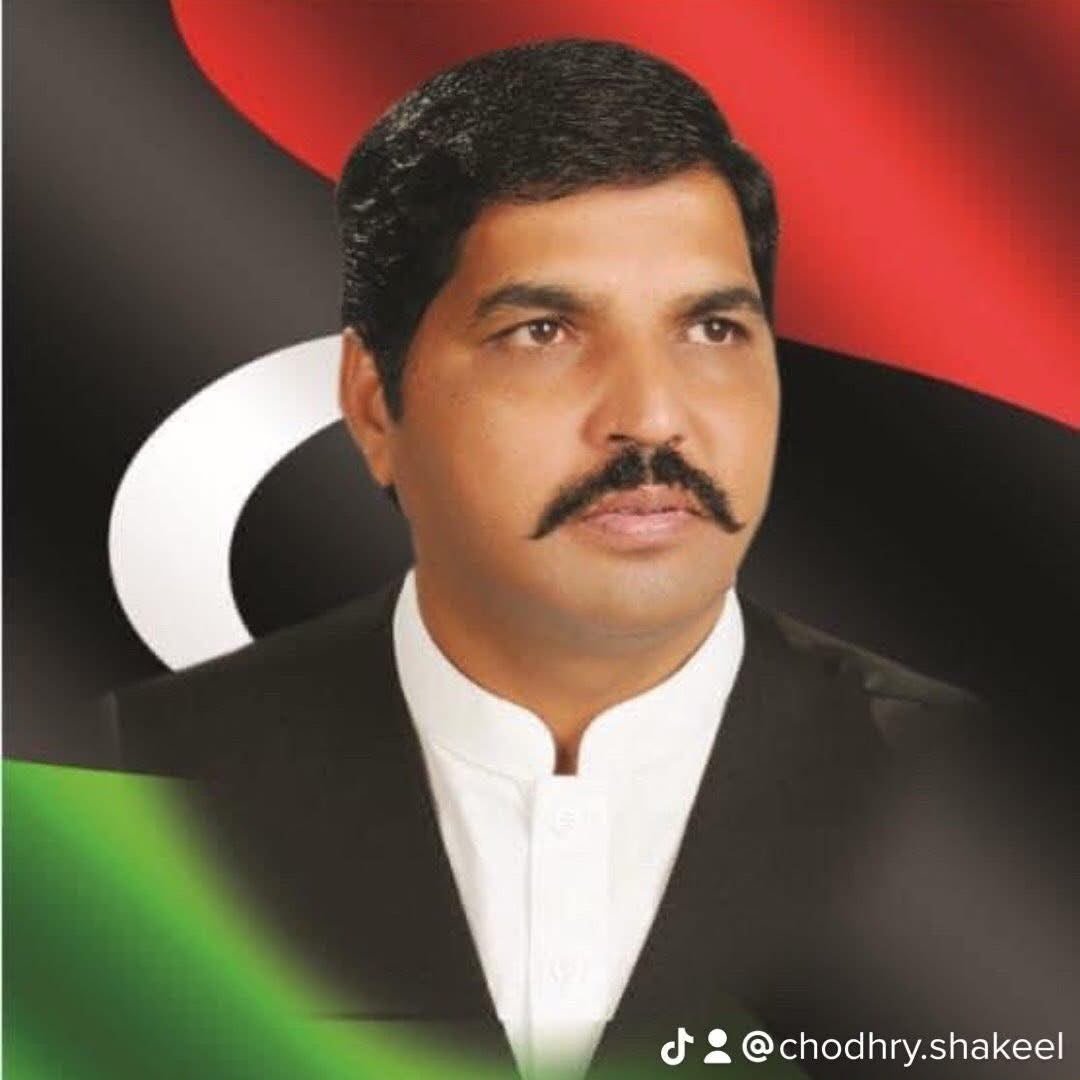
By Irfan Siddiqui
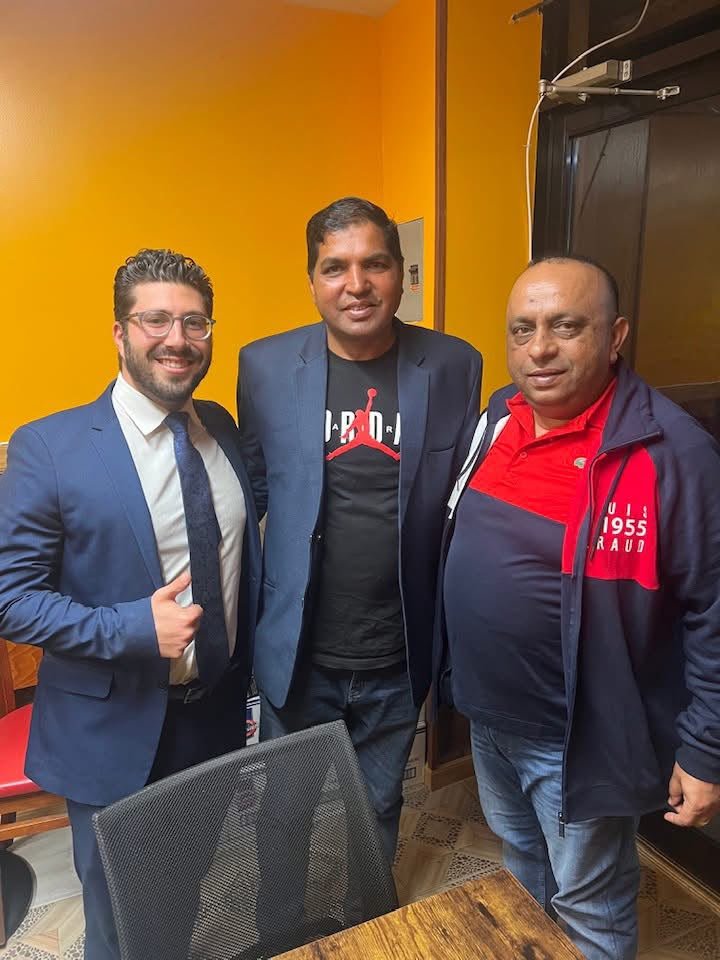
In politics, positions change, governments come and go, and circumstances often test even the strongest loyalties. What ultimately distinguishes a committed political worker is not the office he holds, but the consistency with which he stands by his beliefs during both favourable and difficult times. Chaudhry Shakeel, a prominent Pakistan Peoples Party figure now based in New York, represents a political journey defined by his long association with the PPP and his deep attachment to the political legacy of Zulfikar Ali Bhutto and Benazir Bhutto.
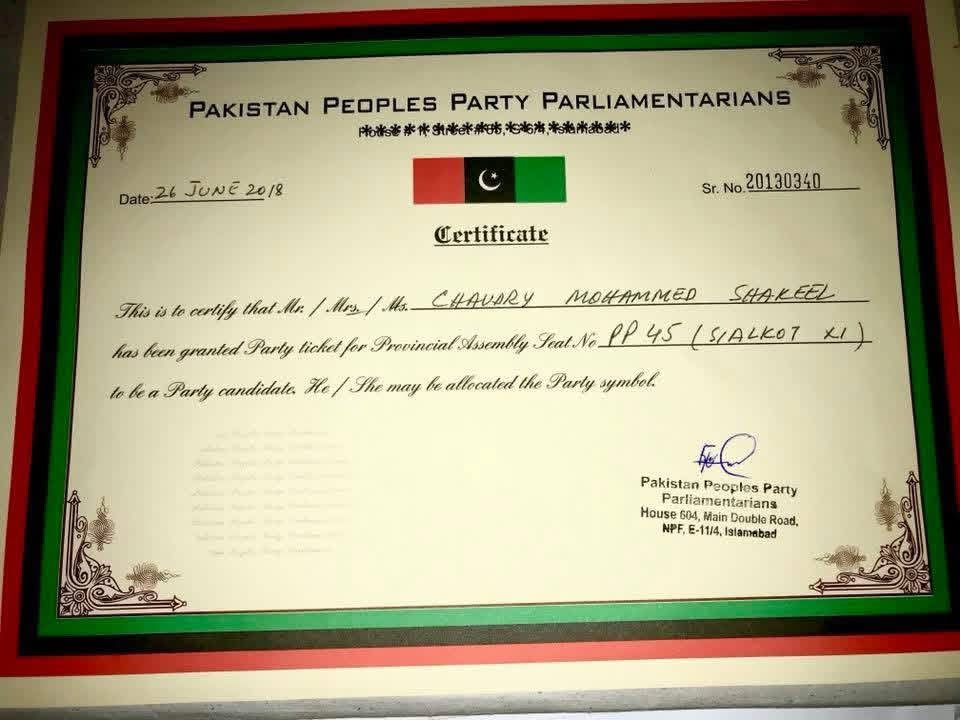
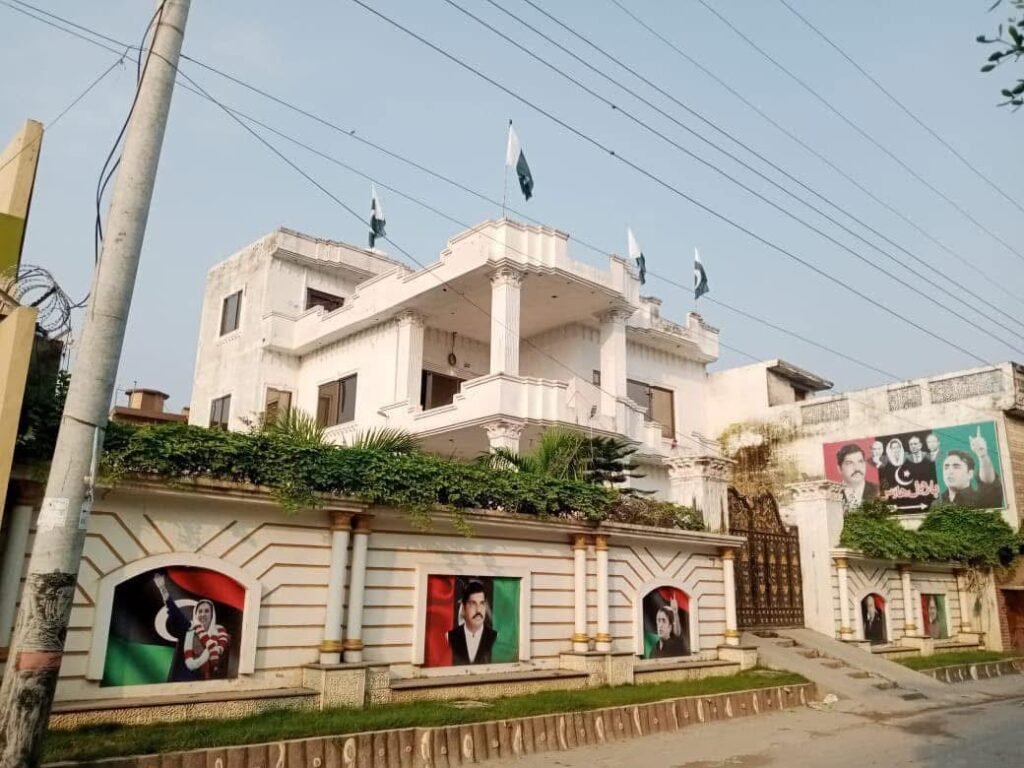
Originally from Sialkot, Chaudhry Shakeel has remained associated with the Pakistan Peoples Party through different phases of his political life. His relationship with the party has not merely been symbolic. The PPP placed its confidence in him by awarding him a ticket to contest a provincial assembly election from Sialkot, giving him an opportunity to represent the party in electoral politics.
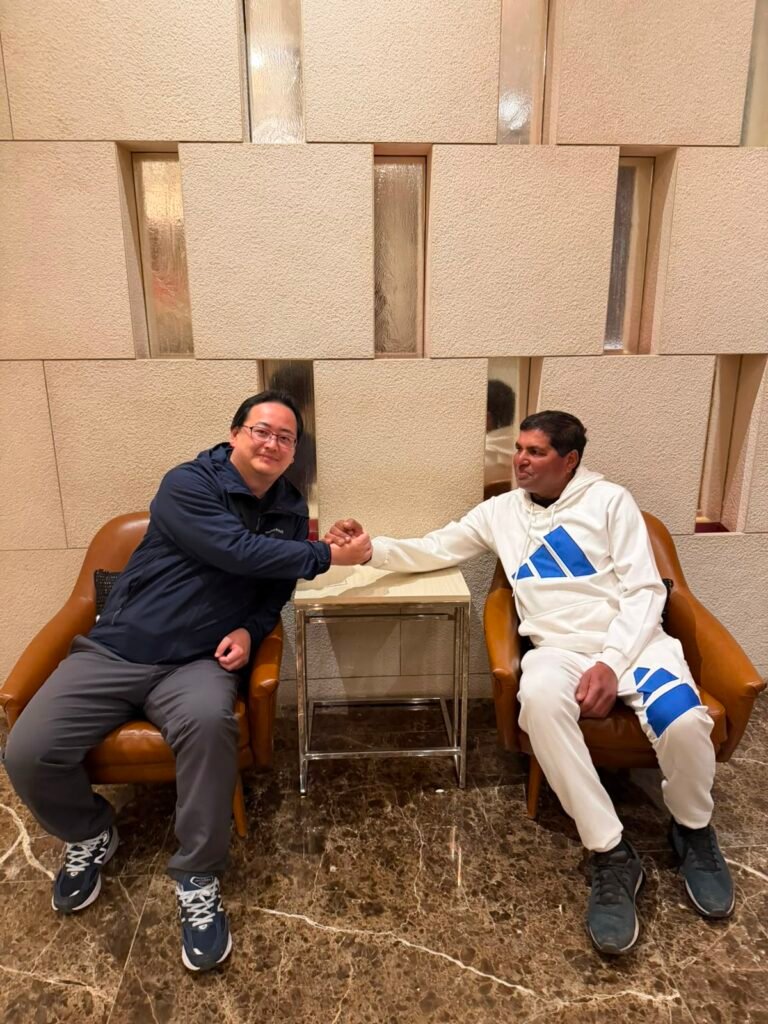
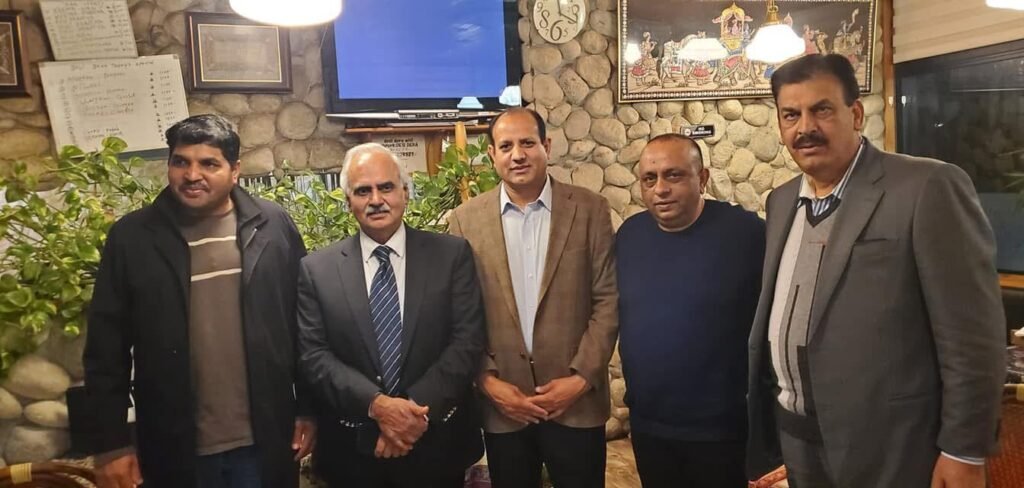
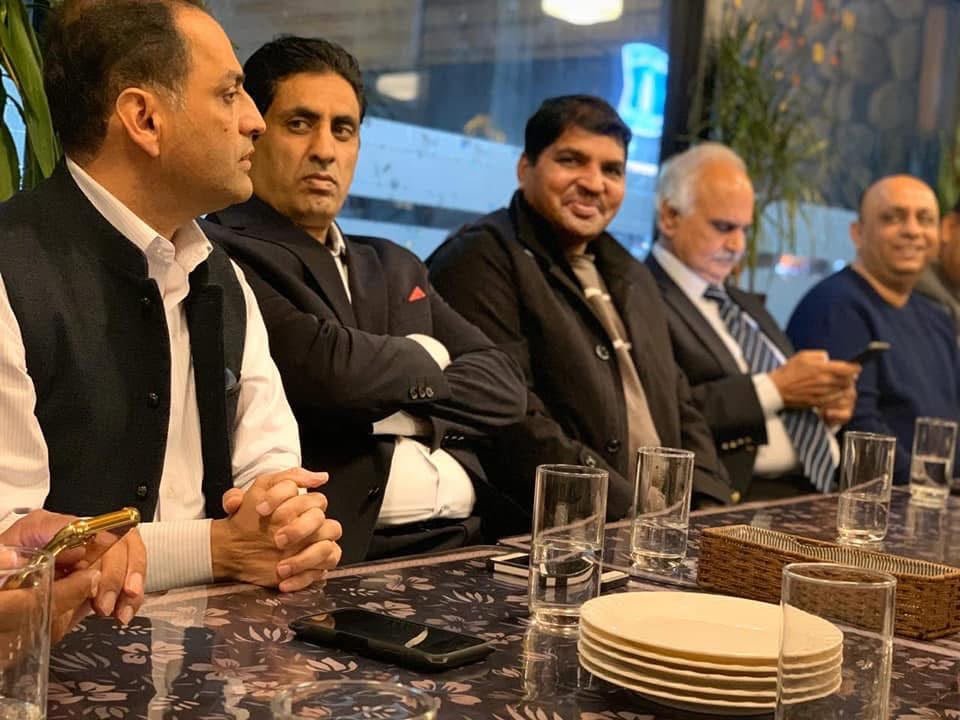

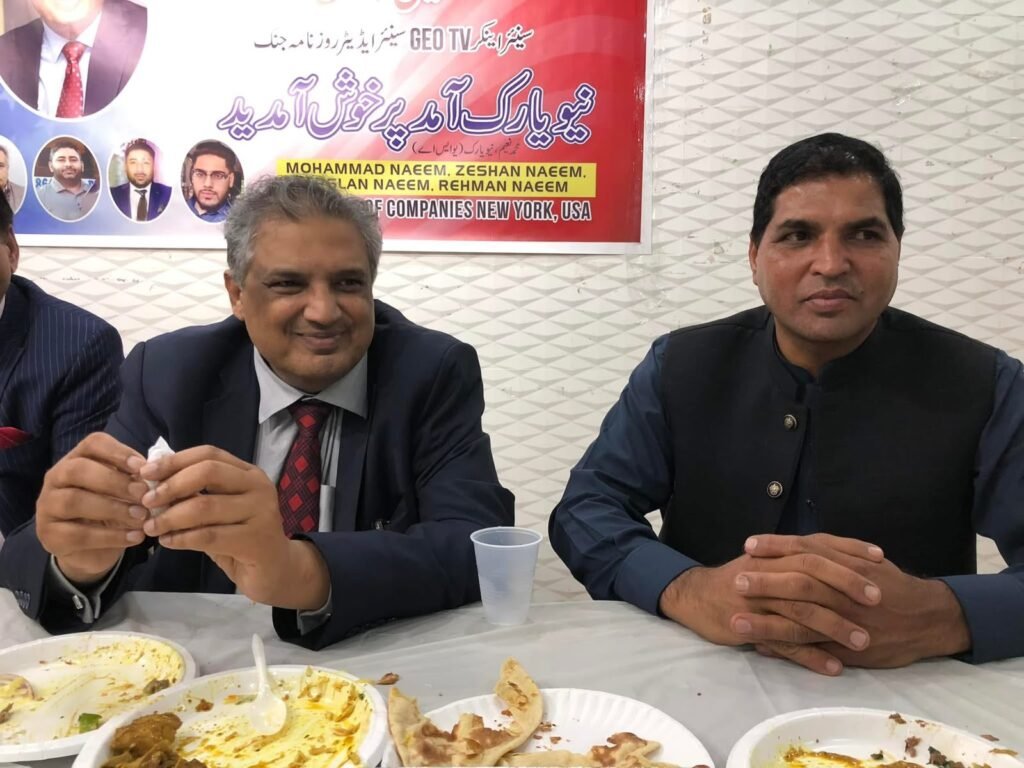
For Chaudhry Shakeel, however, political commitment has never been limited to contesting elections. His journey with the PPP has extended far beyond Pakistan’s borders. During his years in Dubai, he remained active in party affairs and worked to strengthen its presence among overseas Pakistanis. Today, living in New York, he continues to play an active role within the overseas Pakistani community and remains an important voice for the PPP among its supporters in the United States.
His political philosophy is rooted deeply in the Bhutto legacy. He speaks with affection and admiration about Zulfikar Ali Bhutto, whose politics transformed Pakistan’s political landscape and brought ordinary citizens into the centre of national political discourse. He has an equally strong emotional attachment to Benazir Bhutto, whose courage, political struggle and ultimate sacrifice left a permanent mark on Pakistan’s democratic history.
For Chaudhry Shakeel, loyalty to Benazir Bhutto’s memory is inseparable from loyalty to the party she led through some of its most difficult years.
That loyalty, he says, has also come at a personal cost.
Over the course of his political struggle, Chaudhry Shakeel says he has faced difficult circumstances, legal cases and imprisonment, yet none of these experiences persuaded him to abandon his political affiliation. He takes pride in describing himself as a “Jiyala”, the traditional term associated with committed PPP workers who have stood with the party through political adversity.
This perhaps explains why his connection with the PPP has survived geographical changes as well. Sialkot remained his political foundation, Dubai became another chapter of his political activities, and New York has now become the place from where he continues his engagement with the party and the Pakistani diaspora.
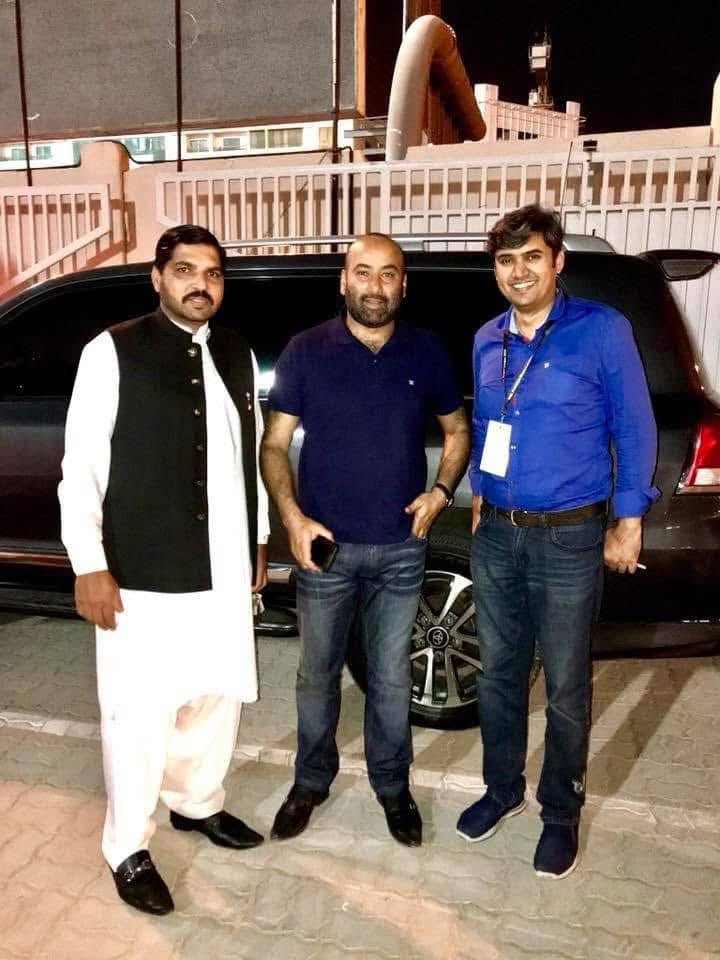
Chaudhry Shakeel believes that one of the PPP’s greatest strengths is its federal character. In his view, Pakistan needs political forces capable of speaking to citizens across provincial, ethnic and regional boundaries. He considers the PPP a party with the potential to connect Punjab, Sindh, Balochistan and Khyber Pakhtunkhwa under a broader national political vision.
He also strongly supports President Asif Ali Zardari, whom he regards as a politically experienced leader carrying forward the mission associated with Zulfikar Ali Bhutto and Benazir Bhutto. In Chaudhry Shakeel’s assessment, Zardari’s emphasis on political dialogue and reconciliation has played an important role in keeping democratic forces engaged with one another during challenging periods in Pakistan’s politics.
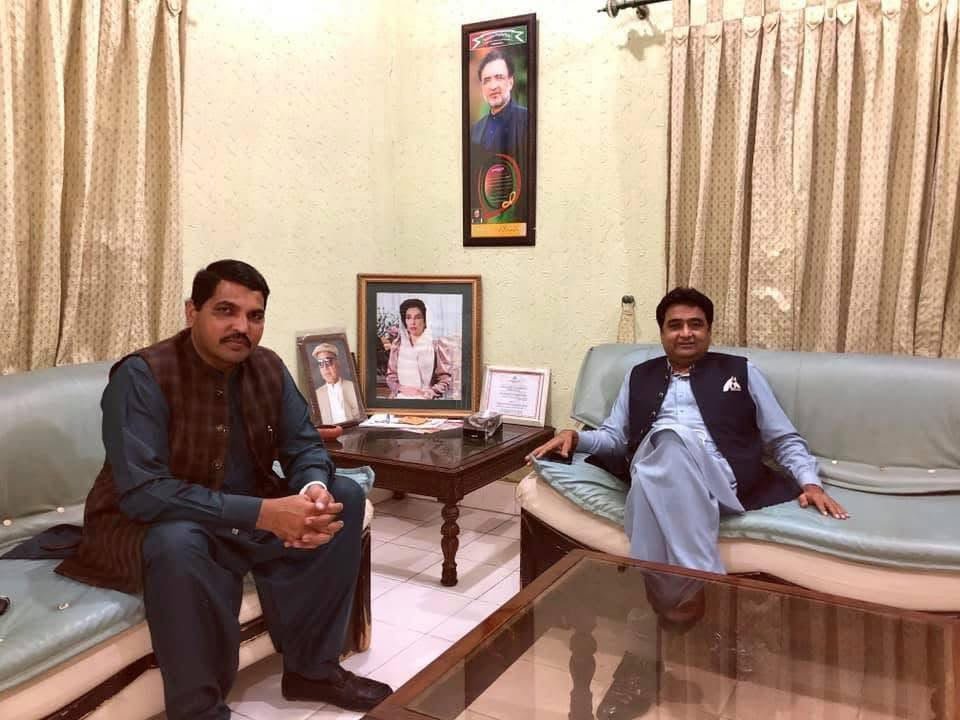
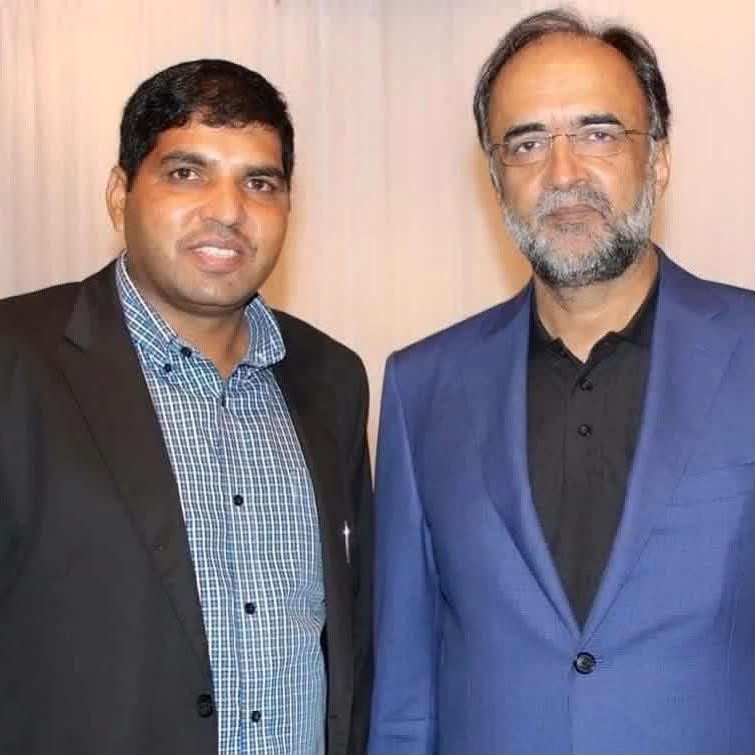
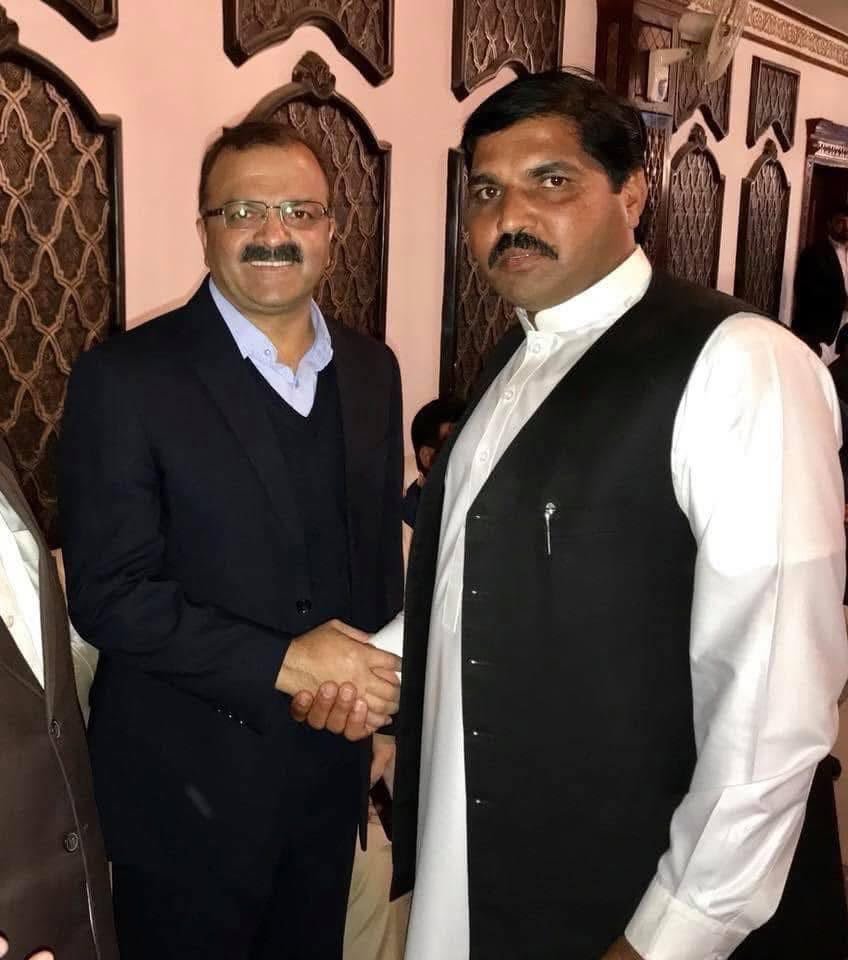
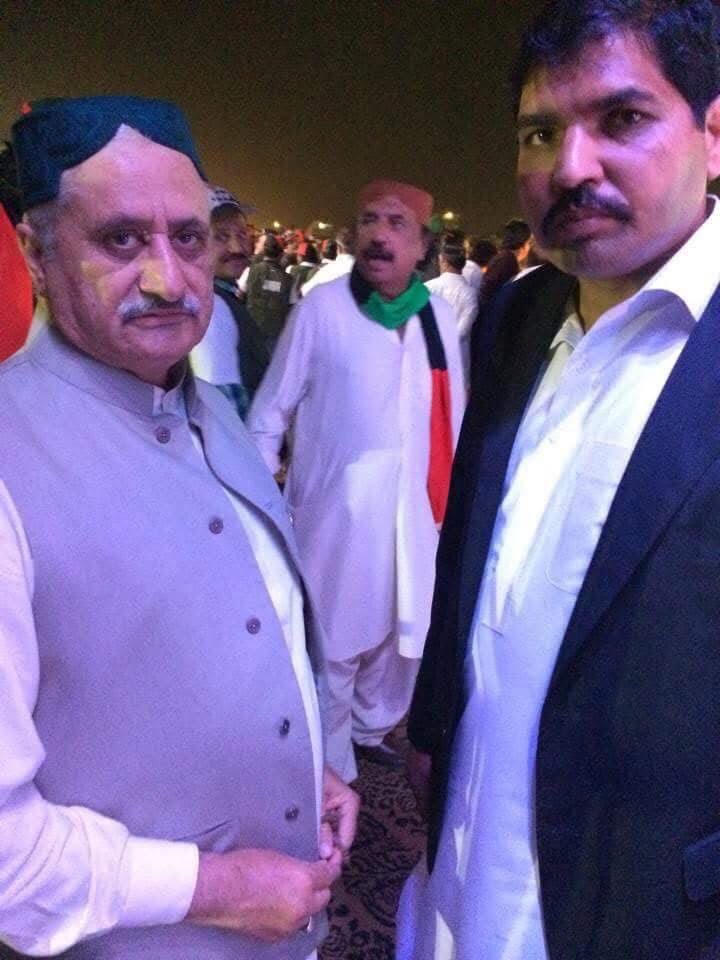
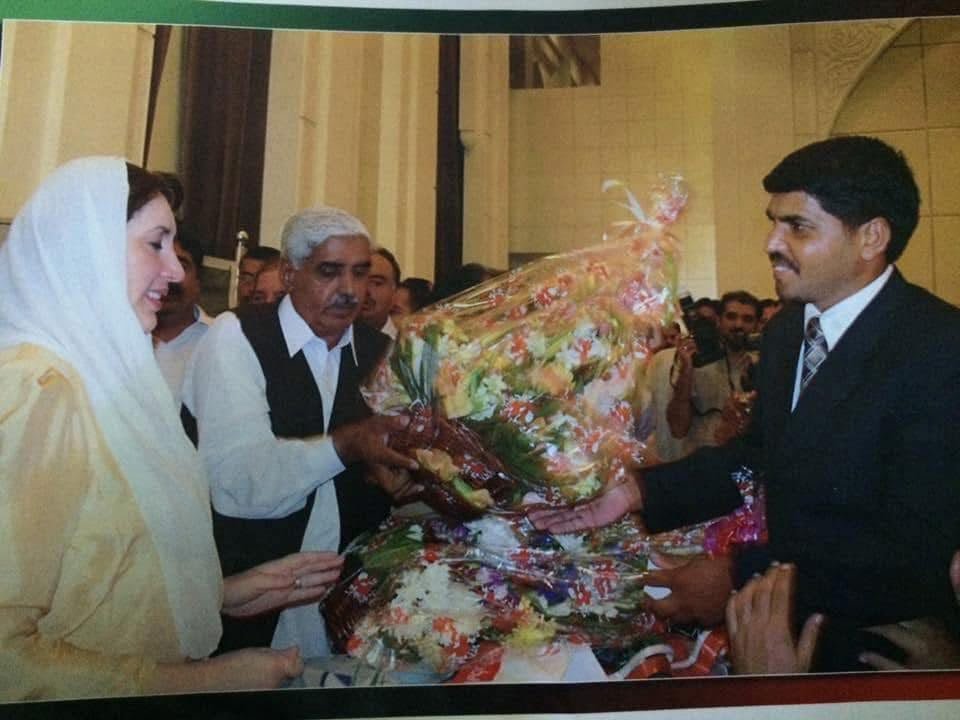
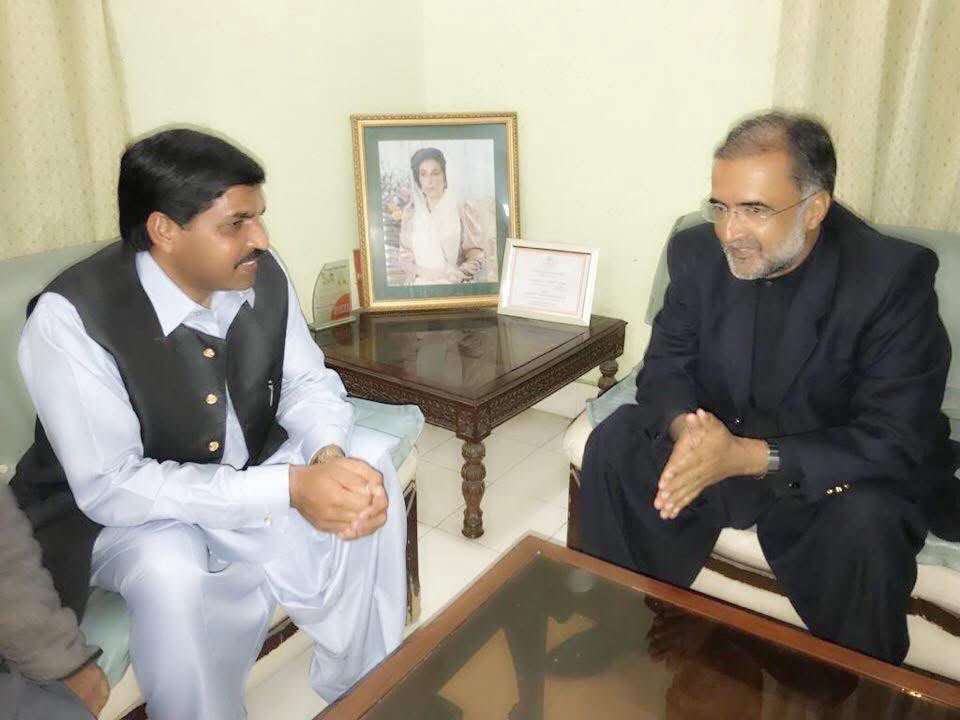
But when the conversation turns towards Pakistan’s political future, Chaudhry Shakeel places particular hope in Bilawal Bhutto Zardari.
He sees Bilawal as the representative of a new generation of Pakistani political leadership: young, internationally exposed and capable of communicating Pakistan’s position to the wider world. Chaudhry Shakeel particularly praises Bilawal’s tenure as Pakistan’s foreign minister, believing that his international engagements helped present a confident and modern face of Pakistan on important global platforms.
In his view, Bilawal possesses the political inheritance of the Bhutto family while also understanding the expectations of a younger generation of Pakistanis. Chaudhry Shakeel believes these qualities make him a serious contender for national leadership in the years ahead, and he openly hopes to see Bilawal Bhutto Zardari become a future prime minister of Pakistan.
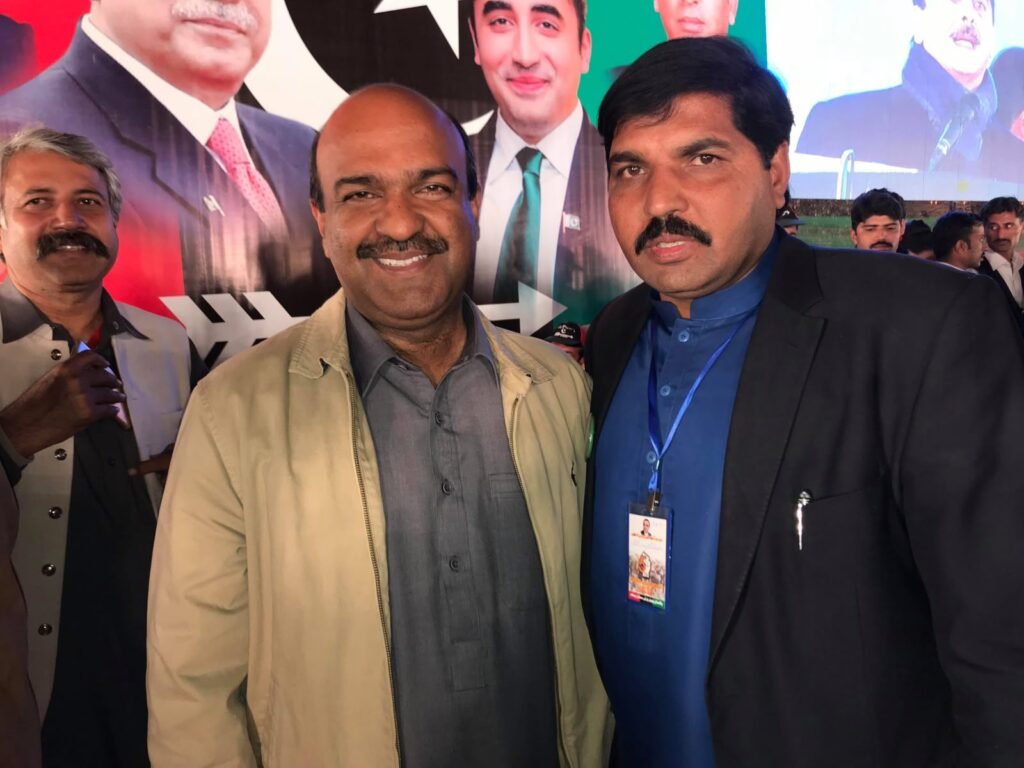
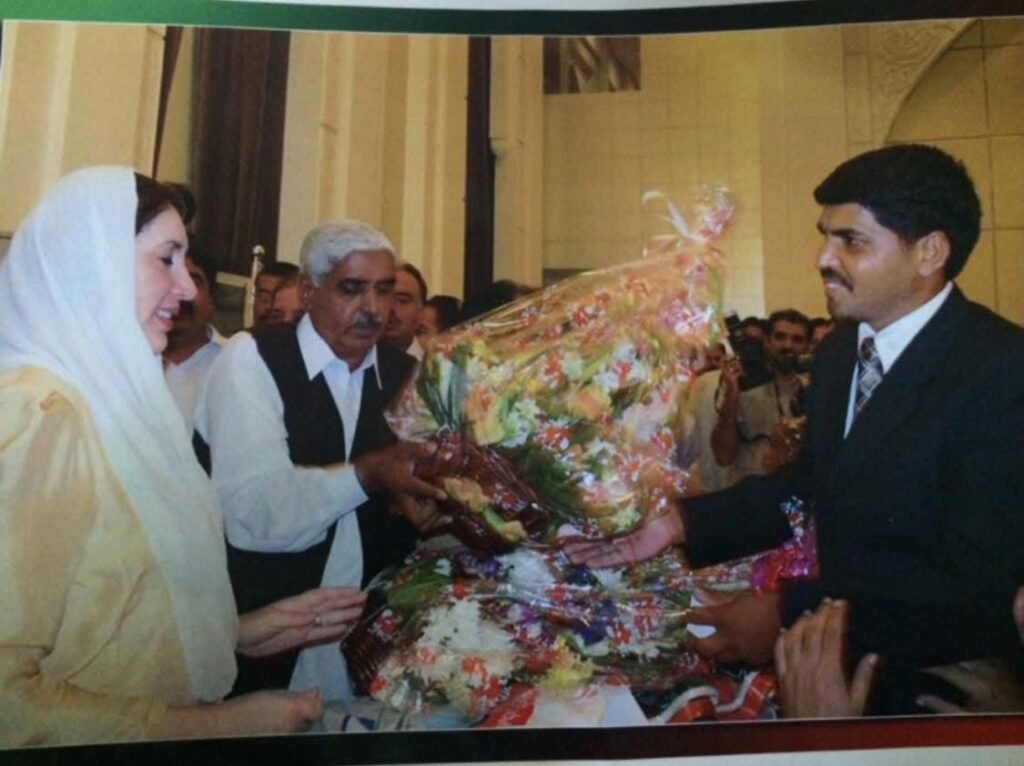
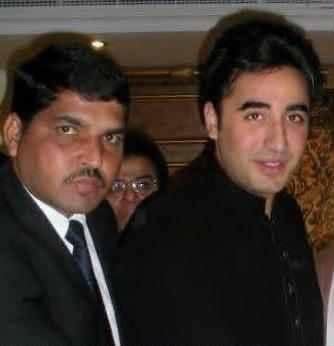
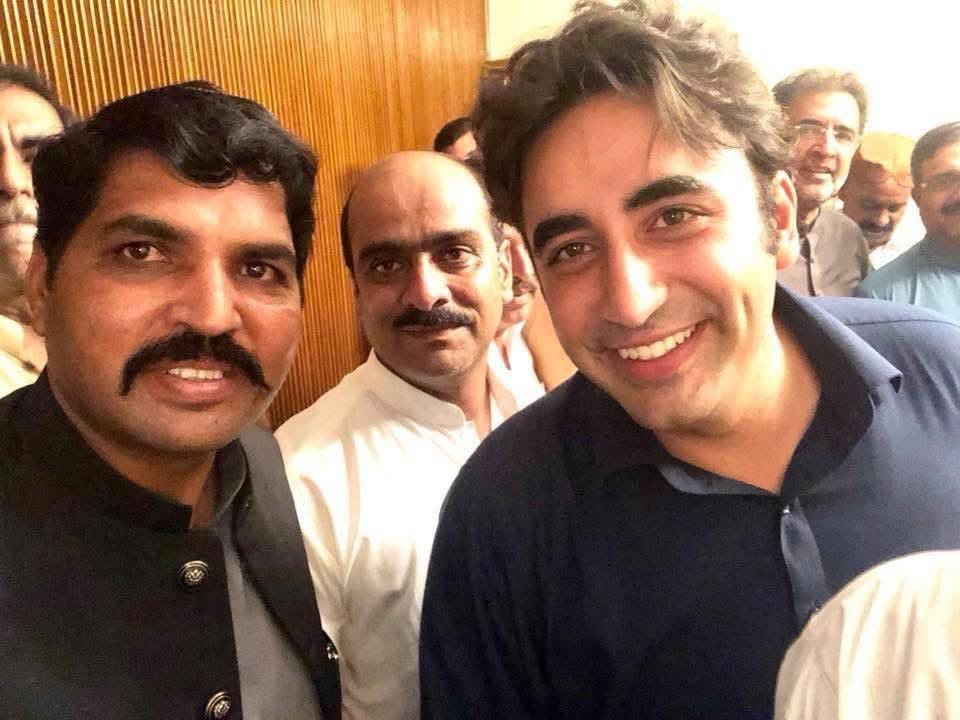
Yet Chaudhry Shakeel’s political story is not solely about senior leaders. It is equally about the thousands of political workers who remain attached to their parties without necessarily occupying major public offices. Political parties survive not only because of their leadership but because of workers who organise meetings, maintain community connections and defend their political identity during difficult periods.
This role becomes even more significant within overseas Pakistani communities.
New York is home to a large and politically engaged Pakistani diaspora. Pakistani political developments are closely followed there, and almost every major political party has supporters and activists among the community. Chaudhry Shakeel believes overseas Pakistanis should have a meaningful connection with their homeland and should be recognised for the economic, social and diplomatic contribution they make to Pakistan.
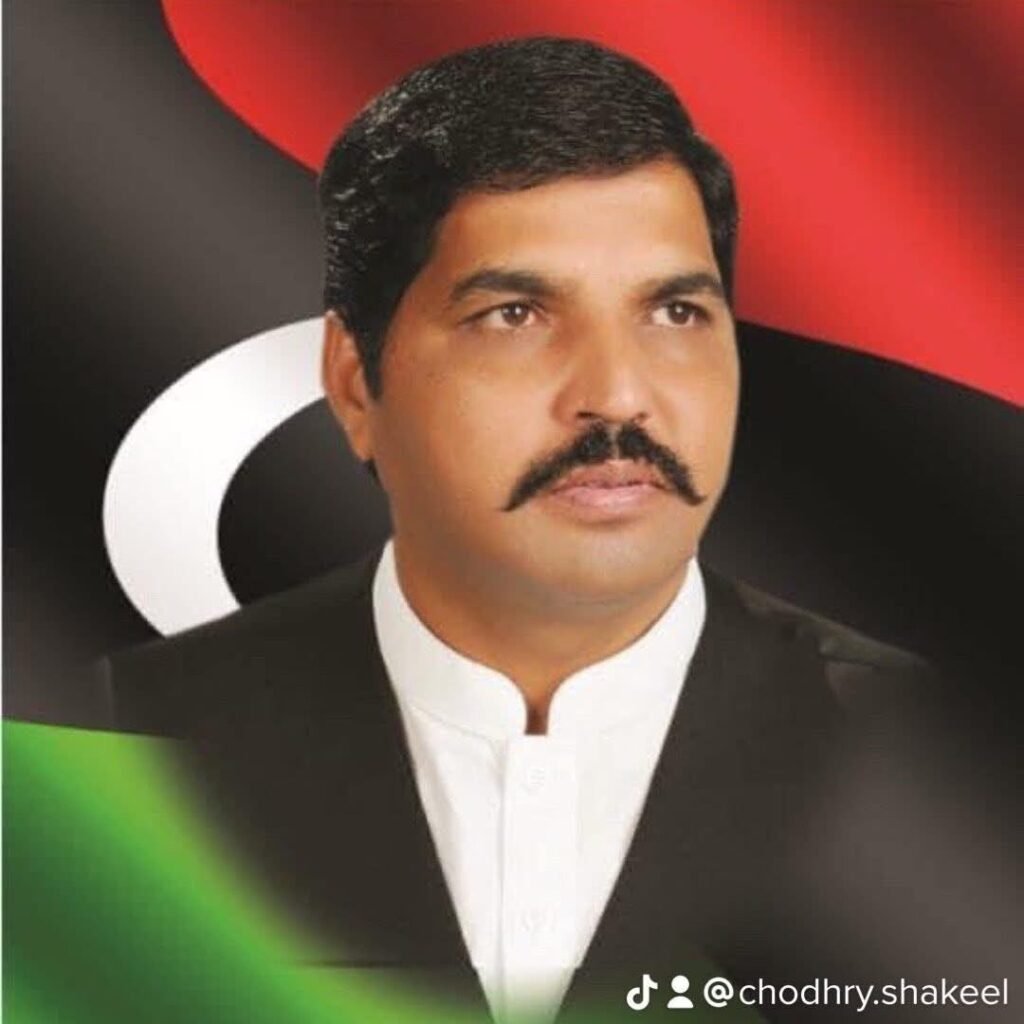
Despite living thousands of miles away, his political compass continues to point towards Pakistan. His roots remain in Sialkot, his political identity remains connected with the PPP, and his emotional attachment remains firmly associated with the Bhutto legacy.
There is an old truth in politics: winning an election may require popularity, but remaining committed through years of changing circumstances requires endurance. Chaudhry Shakeel’s journey, from Sialkot to Dubai and eventually New York, is a story of that political endurance.
Cities changed, circumstances changed and Pakistan’s political landscape changed many times, but Chaudhry Shakeel’s commitment to the Pakistan Peoples Party and his belief in the Bhutto political legacy remained constant. For him, being a Jiyala is not simply a political description. It is an identity he has carried from Sialkot to New York, and one he intends to carry into the future.