By Irfan Siddiqui
In Pakistan’s turbulent political landscape, loyalty is often spoken of but rarely sustained across decades of hardship. Syedal Khan Nasir, Deputy Chairman of the Senate and a senior leader of the Pakistan Muslim League (N), represents a different tradition. His political journey is not a tale of convenience or shortcuts; it is a chronicle of perseverance, sacrifice, and unwavering faith in leadership during the most testing times—particularly in Balochistan, where standing with a party has often meant standing alone.
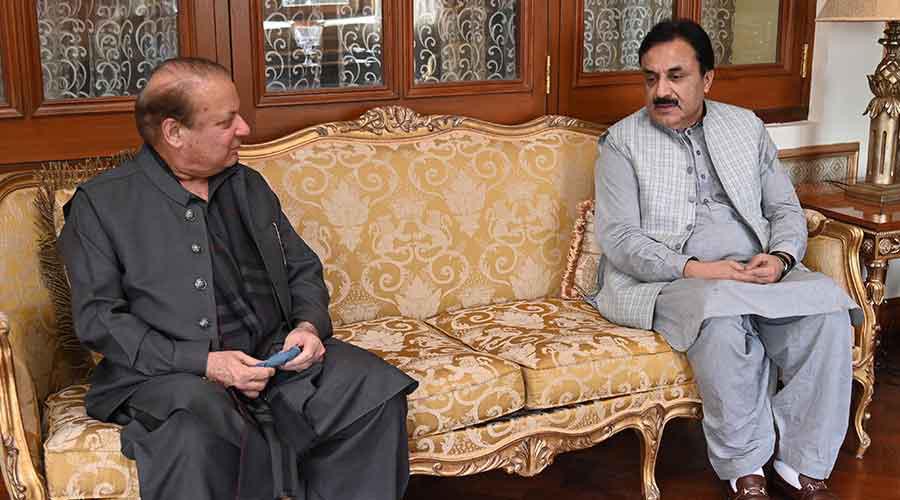
For nearly thirty-five years, Syedal Khan Nasir worked for the PML-N in Balochistan when it was neither fashionable nor safe to do so. He raised his voice for Nawaz Sharif when dissent carried a cost. He endured physical violence, imprisonment, and fabricated cases. Yet, when the pressure peaked and the temptation to switch sides was greatest, he stayed. That constancy—rare in any era—defines him more than any title he holds today.
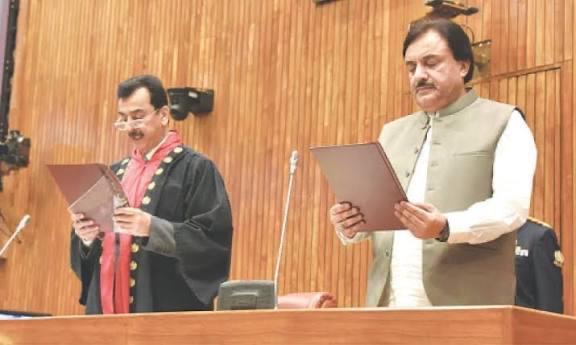
His elevation to Deputy Chairman of the Senate is widely seen as the fruit of that loyalty and of Nawaz Sharif’s belief in rewarding steadfastness over expediency. It also reflects the confidence of Prime Minister Shehbaz Sharif in a leader who understands institutions, values order, and believes in parliamentary dignity. For the PML-N, Syedal Khan Nasir is not merely an office-holder; he is a custodian of a political ethic forged through struggle.
A member of the Pashtun community from Balochistan, Syedal Khan Nasir brings to the Senate a temperament that balances firmness with fairness. He presides over sessions with composure, command of procedure, and respect for the House—qualities that have become increasingly important amid heightened polarization. His critics, particularly within the PTI, accuse him of partisanship. Yet the record suggests otherwise: he enforces rules consistently, allows debate within the framework of the Constitution, and resists the theatrics that often derail parliamentary business.
Since assuming office, he has met nearly fourteen thousand Pakistanis—an extraordinary figure by any standard. These meetings are not ceremonial. They are hearings—of grievances, proposals, and hopes—conducted with an attentiveness that reflects a belief in public service as a daily obligation. This work ethic has earned him respect among colleagues and constituents alike, even among those who disagree with his politics.
In the Senate, Syedal Khan Nasir has been particularly effective in countering disruptive tactics and restoring procedural order. His approach has underscored a simple truth: robust opposition is vital to democracy, but disorder is not. By keeping proceedings focused and lawful, he has strengthened the Senate’s credibility at a time when public confidence in institutions is fragile.
There is, however, another side to his story—one that deserves candid reflection. Despite his contributions, Syedal Khan Nasir has faced internal challenges within his own party. Several planned overseas visits—meant to engage diaspora communities and represent Pakistan at parliamentary forums—were inexplicably cancelled. These decisions, widely viewed as the result of internal maneuvering, have cost the party opportunities and deprived Pakistan of a credible parliamentary voice abroad. In an era when parliamentary diplomacy matters, such missteps are not trivial.
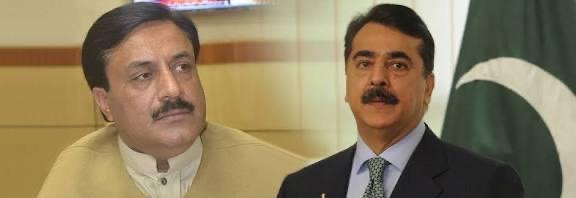
Highlighting these issues is not an indictment; it is a call for introspection. Parties grow stronger when merit is protected and experience is utilized, not sidelined. Syedal Khan Nasir’s stature, earned through decades of sacrifice, should be an asset—especially when Pakistan needs steady, credible representation.
His story also speaks to the leadership of Nawaz Sharif and Shehbaz Sharif. Both have emphasized institutional continuity, party discipline, and performance. In Syedal Khan Nasir, they have a leader who embodies these principles. Supporting him fully—by empowering rather than constraining—would reinforce the very values the party claims as its foundation.
Ultimately, Syedal Khan Nasir’s journey is a reminder that politics, at its best, rewards endurance and integrity. He is not a product of momentary alliances, but of years spent in the trenches of party work in Balochistan. His service in the Senate reflects that grounding—measured, procedural, and purposeful.
Pakistan’s democracy needs such figures: leaders who understand pain, respect institutions, and work without spectacle. If loyalty is a currency, Syedal Khan Nasir has paid in full. The responsibility now lies with his party to ensure that such loyalty continues to be matched with trust, opportunity, and the space to serve—at home and abroad—for the greater good of Pakistan.🇵🇰